10 Medical Breakthroughs That Transformed Healthcare
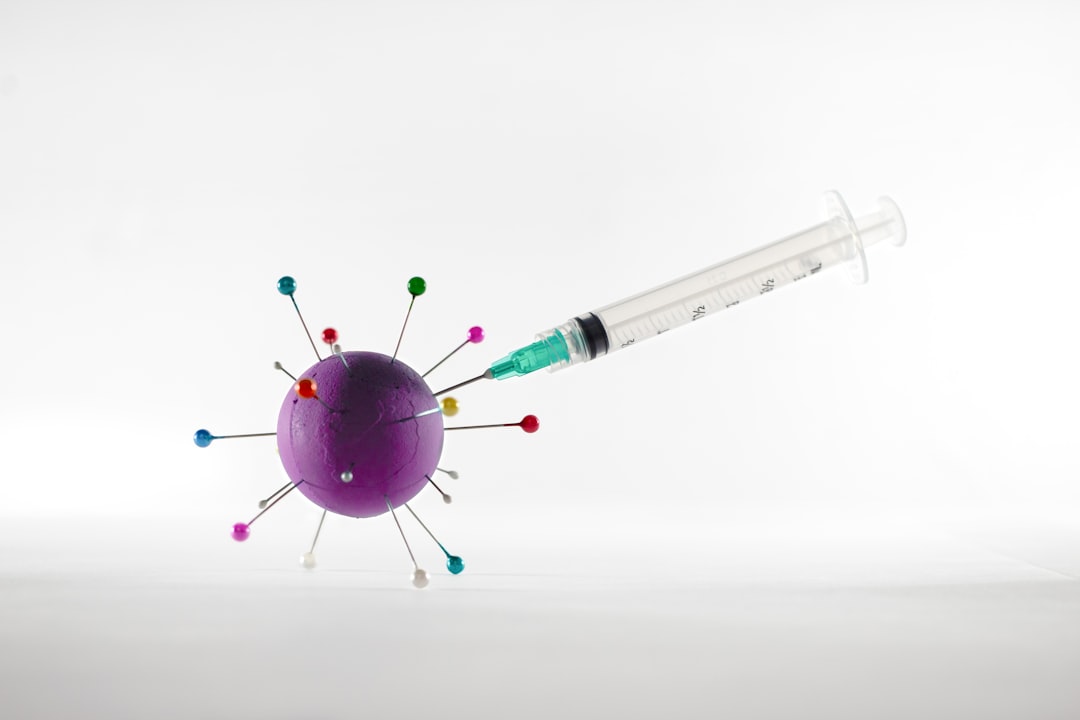
Discover the top 10 medical breakthroughs that revolutionized health, from vaccines to CRISPR gene editing, saving millions of lives worldwide.
The Innovations That Changed the Course of Medical History
Medical science has continuously advanced to save millions of lives and eradicate diseases that once devastated humanity. From the early days of vaccines to the cutting-edge gene editing technologies of today, the healthcare landscape has been transformed by key innovations. Here are ten of the most groundbreaking medical breakthroughs in history, each reshaping medicine as we know it.
1. Vaccines: Protecting Communities from Epidemics
The development of vaccines revolutionized the prevention of infectious diseases. Edward Jenner’s smallpox vaccine, introduced in 1796, marked the beginning of this life-saving technology. By 1980, smallpox was eradicated globally—a landmark achievement in public health.
Today, vaccines protect billions from illnesses like measles, polio, hepatitis, and influenza. The rapid creation of COVID-19 vaccines further showcased advancements, particularly with mRNA technology, which enables vaccines to teach cells to combat viruses. These innovations hold immense promise for developing vaccines against cancers and other diseases in the future. The power of vaccines goes beyond saving lives—they create herd immunity, reduce healthcare costs, and prevent suffering.
2. Antibiotics: Turning Infections into Treatable Conditions
Before the discovery of antibiotics, a minor scratch or sore throat could lead to a fatal infection. That changed in 1928 when Alexander Fleming discovered penicillin. This breakthrough inaugurated an era where bacterial infections could be effectively treated, saving lives from conditions like pneumonia, tuberculosis, and sepsis.
However, the fight isn't over. Antibiotic resistance has emerged as a critical challenge due to the overuse and misuse of these medications. Scientists are working on new antibiotics and alternative therapies to ensure that this life-saving innovation remains effective.
3. Anesthesia: Making Surgery Pain-Free
The introduction of anesthesia in the mid-19th century made complex surgeries a reality. In 1846, William Morton demonstrated the use of ether to render patients unconscious during surgery. Before anesthesia, patients experienced unbearable pain during operations, making many procedures impossible.
Modern anesthesia has advanced significantly with precise, tailored approaches that enhance patient safety and comfort. This critical breakthrough laid the groundwork for life-saving surgeries such as organ transplants, open-heart operations, and even neurosurgery.
4. Medical Imaging: Seeing Inside the Human Body
The invention of X-rays in 1895 by Wilhelm Roentgen introduced non-invasive visualization of internal body structures. Over time, technologies like CT scans, MRI, ultrasound, and PET scans further revolutionized the field, allowing for early detection of conditions like cancer, brain injuries, and heart disease.
Medical imaging not only aids in accurate diagnosis but also improves surgical precision during minimally invasive procedures, shortening recovery times and enhancing outcomes. It has become indispensable for both patients and medical professionals worldwide.
5. Insulin: Diabetes Treatment Becomes Manageable
Before 1921, a diagnosis of type 1 diabetes was effectively a death sentence. Frederick Banting and Charles Best changed this reality by discovering insulin, transforming the disease into a manageable chronic condition.
Advancements in insulin delivery, such as pumps and continuous glucose monitors, have made diabetes management more precise and less invasive. Given that hundreds of millions globally live with diabetes, insulin remains one of the most impactful medical breakthroughs in modern healthcare.
6. Organ Transplantation: Saving Lives, Extending Lifespans
The first successful kidney transplant in 1954 proved that replacing failing organs was possible. Since then, organ transplantation has saved countless lives and drastically improved the quality of life for recipients. Advances in surgical techniques, immunosuppressive drugs, and donor matching have enabled the transplantation of hearts, lungs, livers, and even hands.
Though challenges like donor shortages persist, emerging innovations such as 3D-printed organs and xenotransplantation (using animal organs) show promise for overcoming these limitations.
7. The Human Genome Project: Personalized Medicine
Initiated in 1990 and completed in 2003, the Human Genome Project successfully mapped the entirety of human DNA. This achievement unveiled the genetic foundations of many diseases and laid the groundwork for personalized medicine, where treatments are tailored to an individual’s genetic profile.
Genomics has paved the way for targeted cancer therapies, identification of inherited disorders, and gene editing technologies such as CRISPR. Researchers are already employing these tools to correct genetic mutations, potentially curing diseases once thought incurable.
8. Telemedicine and Digital Health: Expanding Access to Care
Telemedicine has transformed healthcare accessibility, enabling remote consultations via video calls, apps, and messaging platforms. This innovation, significantly accelerated during the COVID-19 pandemic, provides inclusive healthcare to those in remote or underserved areas.
Coupled with wearable health trackers, mobile health apps, and AI-driven diagnostic tools, digital health empowers patients to manage their wellbeing more effectively. It represents the future of connected, patient-centered care.
9. Immunotherapy: Fighting Cancer with the Immune System
Immunotherapy has revolutionized cancer treatment by leveraging the body's immune system to identify and destroy cancer cells. Therapies such as checkpoint inhibitors, CAR-T cell treatments, and cancer vaccines have significantly improved survival rates, particularly for aggressive cancers like melanoma and lymphoma.
Personalized immunotherapy often results in longer-lasting remissions with fewer side effects compared to traditional treatments like chemotherapy. Its development underscores the growing role of targeted therapies in modern medicine.
10. CRISPR Gene Editing: Engineering DNA
Discovered in 2012, CRISPR-Cas9 is a tool that allows precise editing of DNA sequences, offering unprecedented possibilities in medicine. By directly correcting the genetic mutations responsible for diseases, this technology holds the potential to cure inherited conditions and prevent some illnesses entirely.
CRISPR clinical trials are already underway for disorders such as sickle cell anemia and muscular dystrophy. While ethical concerns remain, this gene-editing tool promises to reshape medicine at its fundamental level.
Practical Impacts of Medical Breakthroughs
-
Improved Lifespan: Advances like vaccines, antibiotics, and insulin have significantly increased global life expectancy.
-
Economic Benefits: Preventative care like vaccines reduces healthcare costs by limiting disease outbreaks.
-
Healthcare Accessibility: Innovations like telemedicine make healthcare services more inclusive, particularly in underserved regions.
Conclusion
From eradicating smallpox to unlocking the secrets of human DNA, medical breakthroughs have profoundly impacted society, extending lives and improving quality of life. Each innovation represents human ingenuity, persistence, and the relentless pursuit of better healthcare. As technology advances, the pace of breakthroughs will only quicken, promising a healthier future for all.
Staff Writer
Lauren covers medical research, public health policy, and wellness trends.
Comments
Loading comments…


