10-minute standing abs workout using weights: Key moves and benefits
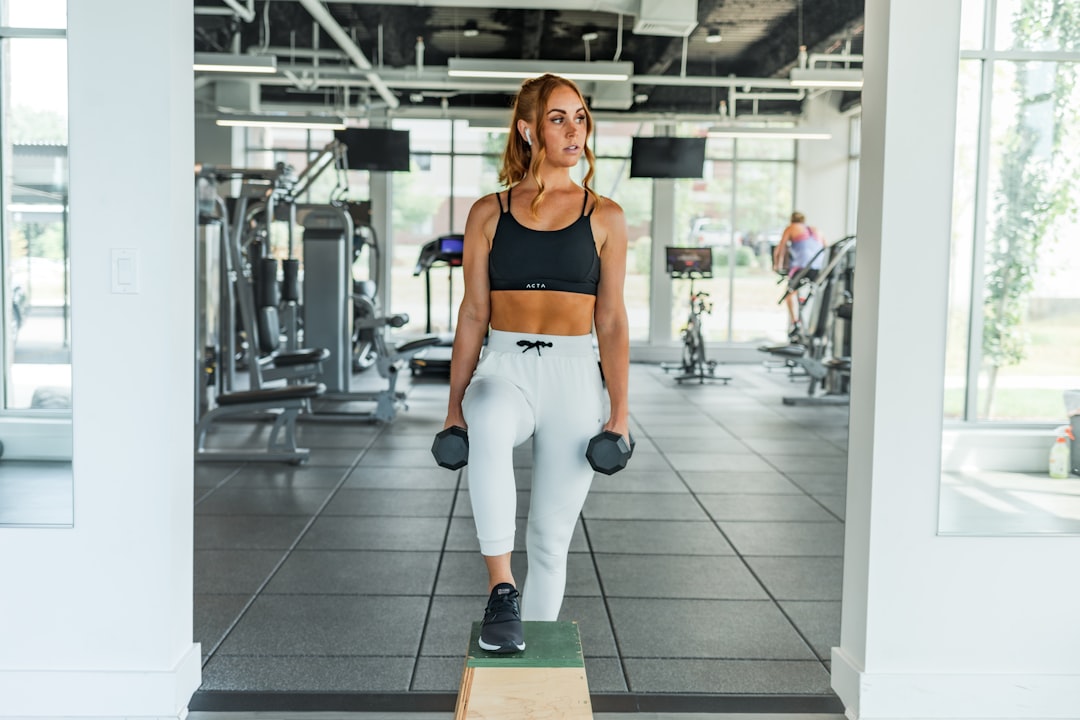
A quick, effective 10-minute standing abs routine that uses a single dumbbell to engage your core, improve posture, and strengthen muscles.
Strengthening your core doesn’t always require sit-ups or floor routines. A 10-minute standing abs workout, like the one recently demonstrated in an engaging online video, emphasizes functional movement while utilizing a single dumbbell. This routine is designed not only to build core strength but also to enhance posture and balance in an accessible, equipment-light format. Here’s a breakdown of the workout, its key movements, and why it’s worth incorporating into your routine.
What You Need
The simplicity of this routine is one of its major appeals. All you need is one dumbbell. The trainer uses a 10-pound dumbbell, but the flexibility of the workout allows you to select a weight that matches your individual strength level. Since several moves involve lifting the weight overhead, it’s important to choose a dumbbell that challenges you without compromising your form.
This workout is performed standing, making it inviting for those who may find traditional floor-based core exercises uncomfortable or inconvenient. Just be sure to have enough room to safely move and a screen in view to follow along.
Key Exercises in the Routine
1. Overhead March
The routine kicks off with an overhead march that engages the core, shoulders, and legs. Holding the dumbbell firmly overhead, you lift one knee at a time, focusing on maintaining a stacked posture (rib cage aligned over the pelvis). The aim is to avoid any excessive forward leaning or rib flaring. Exhaling during the lift enhances core engagement, making each movement purposeful.
2. Diagonal Dumbbell Lift
This exercise promotes both core stability and rotational strength. With a slightly wider-than-shoulder-width stance, the dumbbell is brought down to one side and then lifted diagonally across the body. It’s crucial to keep the hips stable and twist from the core rather than relying on the lower back or hips to drive the movement.
The trainer emphasizes feeling the rib connect with the hip as the core controls the twist. Both sides are worked equally to maintain muscle balance.
3. Dumbbell Side Dip with March
This move combines dynamic lower-body marching with a controlled lateral dip of the dumbbell. The aim here is to connect the rib to the opposite hip while keeping the movement clean and slow enough to maintain proper form. This exercise builds core engagement while challenging stability and coordination.
4. Single-Leg Standing Crunch
Standing single-leg crunches are a fantastic way to target the obliques. Grounding one foot, the opposite knee is lifted across the body toward the dumbbell. Beginners are advised to bring the dumbbell down only partway to avoid overextending the ribcage. More experienced participants may start from an overhead position for added resistance and arm involvement. Regardless of the variation, focus on the mind-muscle connection as you crunch.
5. Alternating Elbow-to-Knee Crunches
Holding the dumbbell steady, you bring alternating elbows to meet the opposite knee in a standing crunch motion. Controlled breathing is key here: exhale at the peak of the crunch for optimal core activation.
6. Side Lean to Center
With the dumbbell in one hand and feet slightly apart, this exercise targets the obliques. You lean slightly forward (not directly to the side) and lift using your core to bring your torso back to center. The trainer encourages participants to bend their knees slightly and roll their shoulders down to maintain the proper alignment.
7. Same-Side Elbow-to-Knee Crunch
In a twist on the alternating crunch, this movement engages the core by bringing the same-side elbow and knee together. The slight forward lean demands added core stability and ensures the focus remains on the abdominal muscles rather than momentum.
Why Standing Core Workouts Matter
Standing core workouts like this 10-minute routine deliver more than just a solid abdominal burn. Here’s why they are worth trying:
- Posture Improvement: Training while standing helps to align your spine and strengthen muscles that support good posture. This carries over into daily life, where strong posture offsets discomfort during long periods of sitting or standing.
- Full-Body Activation: Many of these movements engage additional muscle groups, such as the shoulders, arms, and legs, making this far more efficient than static ab exercises.
- Convenience: A standing routine doesn’t require a mat, making it highly accessible for those in small spaces or during busy days.
- Injury Prevention: Proper engagement of the core and controlled movements reduce the risk of strains common in traditional floor-based ab routines.
Tips for Success
- Form Over Speed: Rushing through the routine often compromises effectiveness. Concentrate on slow and controlled movements to maximize core engagement.
- Choose a Suitable Weight: Begin with a lighter dumbbell if needed, especially for overhead exercises. Progressively increase the weight as your strength improves.
- Engage the Core: The key to this workout is maintaining constant core tension. Think about drawing your belly button in toward your spine without holding your breath.
- Rest and Hydrate: Most exercises include short rest periods. Use these to reset your form and grab water if needed.
A 10-Minute Investment with Big Returns
This standing abs routine is a prime example of how short, strategic workouts can yield meaningful fitness results. With no floor exercises, it’s approachable for a broad range of fitness levels. By combining movements that challenge balance, strength, and coordination, this 10-minute session is more than just core work—it’s a functional, full-body effort.
If quick, accessible workouts resonate with you, this session is worth integrating into your weekly routine. Whether you’re a beginner or advanced in your fitness journey, the customizable dumbbell weight ensures scalability. Grab a weight, stand tall, and get ready to feel the burn.
For those seeking consistent workout guidance, the trainer also promotes access to their fitness app, which includes structured workout programs, challenges, and supplemental resources such as recipes. With just 10 minutes, today’s workout proves that you don’t need hours or complex equipment to build strength and feel accomplished.
Staff Writer
Ryan reports on fitness technology, nutrition science, and mental health.
Comments
Loading comments…


