2026 Rural Health Hackathon awards ceremony celebrates innovation and persistence
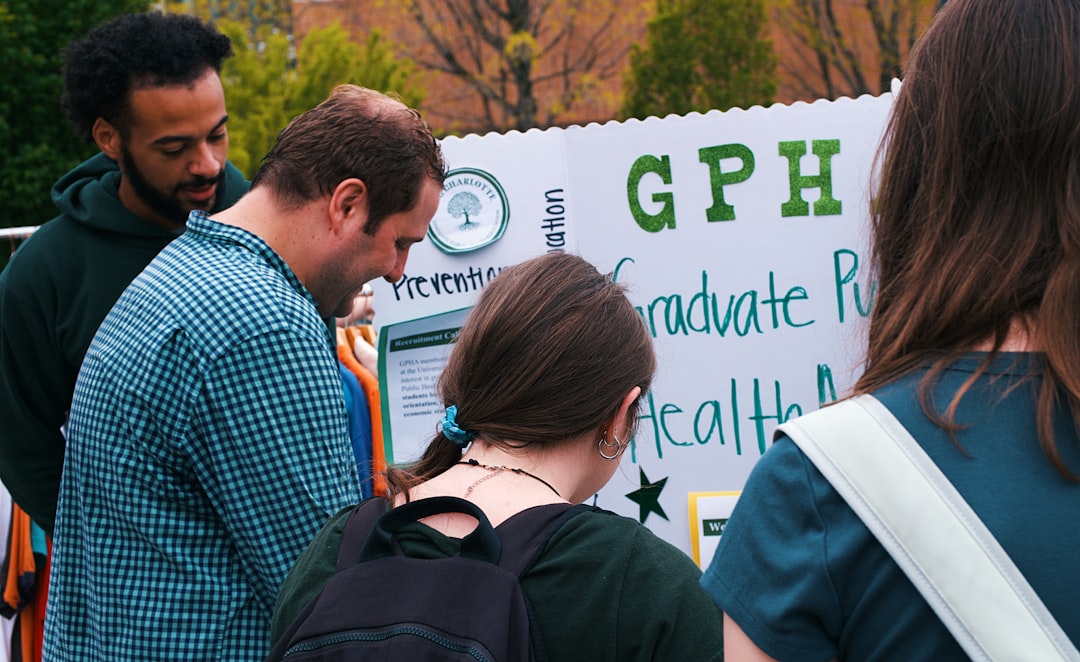
The 2026 Rural Health Hackathon recognized innovative ideas to transform rural healthcare, with top honors going to solutions emphasizing community-driven projects and data-driven approaches.
The 2026 Rural Health Hackathon concluded with an enthusiastic awards ceremony, where ideas from participants focused on addressing the complex challenges of rural healthcare systems. Over the course of 72 hours, 40 teams comprising 150 students developed solutions aimed at improving access, sustainability, and outcomes in underserved regions. The judges commended participants for their creativity, community-centered approaches, and use of detailed data modeling, highlighting the event as a testament to grassroots innovation.
Fostering Community-Driven Innovation
The hackathon provided an intensive platform for students to identify and address critical rural health issues. Participants were tasked with ideating from scratch, starting only on Friday noon, and delivered detailed presentations within merely three days. The event emphasized engaging with community needs and fostered an environment where ideas stemmed directly from patient stories and firsthand experiences.
Judges praised the participants for their ability to articulate real-life challenges and integrate insights from local communities into their solutions. As one judge noted, there was a significant focus on "meeting people where they are" and equipping communities with the tools to influence their healthcare policies. This community-driven mindset was evident across the finalist teams, underscoring the importance of empowering local voices to create sustainable healthcare frameworks.
Key Themes: Data, Outcomes, and Scalability
One of the recurring themes identified by the judging panel was the emphasis on data evaluation, outcomes measurement, and detailed cost modeling. These elements were central to ensuring that the proposed solutions were not only practical but also scalable. According to Michael, a judge and part of the event's evaluator panel, this level of analytical rigor provided the projects with a solid foundation for turning ideas into actionable policies or programs.
The projects also tackled frameworks for improving digital literacy, sustainability of healthcare solutions, and reimagining power dynamics between healthcare providers and communities. These themes reflected a deep understanding of system-level changes needed to address disparities between urban and rural healthcare systems effectively.
Celebrating Tenacity and Practical Solutions
The awards night highlighted the perseverance of the participants and the high standards of their work. Dean Michael Lou, who joined the ceremony to present the awards, commended the students' "energy, passion, and creativity," recognizing their ability to translate innovative ideas into applicable solutions under tight deadlines. He encouraged them to continue pursuing their vision to transform rural healthcare at both state and national levels.
Three standout teams were honored for their exceptional contributions:
-
Third Place – From First to Fourth This team captured the judges' attention with their targeted and specific approach. Their project emphasized licensing solutions for midwives and proposed potential partnerships with employers and other stakeholders. Judges noted the team's confidence and ability to answer questions convincingly, describing their work as both practical and well-grounded.
-
Second Place – Raven The small but formidable Raven team was celebrated for its thorough analysis and detailed exploration of revenue streams, including reimbursements and legislative adjustments required to realize their vision. Judges advised the team to refine their presentation for audiences unfamiliar with the intricacies of their concept, while commending the detailed thought put into making their proposal viable.
-
First Place – The Bridge Model Taking top honors, the Bridge Model team impressed with their comprehensive, multi-faceted approach to one of the state's most pressing public policy challenges. Their presentation integrated patient stories, addressed governmental and political considerations, and provided logic models and outcome projections. Judges described their work as a benchmark for systemic solutions in rural healthcare.
Building Momentum for the Future
The Rural Health Hackathon was made possible by the efforts of organizers, sponsors, and panelists dedicated to fostering innovation in public health. Key sponsors such as Manette, Centene, and Fortuna provided essential support, while judges Serena, Michael, and Suzanne brought their expertise to the evaluation process. Collaborators like Nikita were celebrated for their tireless efforts to make the event successful.
Participants were encouraged to continue refining their projects and to pursue persistent tenacity in overcoming barriers that might stand in the way of implementation. "Great ideas often face resistance," one judge remarked, stressing the importance of resilience during the long road from concept to policy.
Continuing the Journey
As the evening concluded, participants mingled at the reception, reflecting on an inspiring weekend of innovation, collaboration, and learning. "Regardless of the outcomes here," Dean Lou reminded students, "carry this experience forward to continue improving, innovating, and transforming rural health both in the state and across the country."
The hackathon succeeded in highlighting the untapped potential of young innovators to address systemic challenges. By focusing on community resilience, data-driven decision-making, and practical sustainability, the 2026 Rural Health Hackathon marked an important step toward building responsive and inclusive healthcare systems for rural communities.
Staff Writer
Lauren covers medical research, public health policy, and wellness trends.
Comments
Loading comments…


