5 Beginner Gym Mistakes and How to Avoid Them for Better Workouts
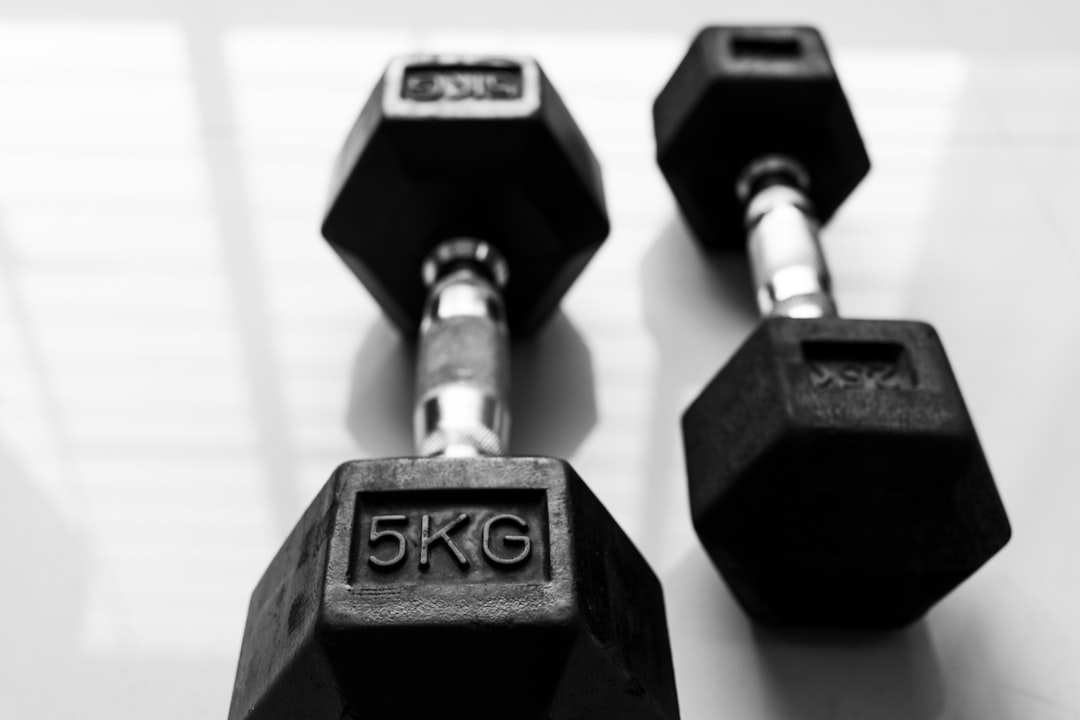
Avoid these common beginner gym mistakes to maximize your workouts and achieve fitness goals effectively. Learn tips to improve your routine.
Entering the gym for the first time can be intimidating. You’re met with an overwhelming range of equipment, exercises you might not fully understand, and a sense of uncertainty about doing things ‘the right way.’ Mistakes are common among beginners, but the good news is they’re easy to fix. Here’s a guide to five key mistakes gym newcomers often make and how to correct them for a more efficient and rewarding workout experience.
Mistake 1: Relying Only on Machines
Gym machines are often the first stop for beginners—and for good reason. Machines are intuitive, safe, and easy to use. However, relying exclusively on them can limit your overall progress.
Why Machines Alone Aren't Enough
- Limited motion paths: Many machines operate on fixed tracks that don’t accommodate individual body mechanics. This can feel restrictive and even uncomfortable, especially for those who fall outside the average height and size range.
- Lack of stabilizer muscle engagement: Machines provide stability that eliminates the need for smaller, supporting muscles to work, which can be a drawback for overall strength development.
What to Do Instead
Incorporate free weights like dumbbells, barbells, or kettlebells to allow for a broader range of motion and work your stabilizer muscles. While machines can remain a part of your routine, balancing them with free-weight exercises will lead to improved strength, stability, and functional fitness.
Mistake 2: Overdoing Isolation Exercises
Bicep curls and tricep pushdowns may look good in the mirror, but focusing too much on these single-joint movements can limit your results.
Why Isolation Isn’t Enough
- Only targeted muscle groups: Exercises like curls or lateral raises work one muscle at a time, making your workout less time-efficient.
- Limited overall strength: Since these movements focus on specific areas, they don’t contribute much to overall body strength.
The Smarter Alternative
Emphasize compound exercises like squats, deadlifts, and bench presses. These multi-joint movements engage multiple muscles simultaneously, saving time and helping build both strength and mass. Use isolation exercises selectively to address specific weaknesses or for finetuning.
Mistake 3: Lifting Only Light Weights
It’s tempting to stick with lighter weights, especially as a novice, but this habit can hinder your fitness progress significantly.
The Problem with Staying Light
Light weights don’t adequately challenge your muscles or support key principles like progressive overload, which is critical for building strength and muscle.
How to Push Yourself Safely
- Experiment with heavier weights you can handle for 3–5 reps with good form.
- Gradually increase the load over time to continue challenging your muscles.
- Focus on technique to prevent injuries as you move up in weight.
Remember, strength training isn't just about endurance—it’s about progressively pushing your limits.
Mistake 4: Neglecting Hydration
Skipping the water bottle is a common yet easily avoidable mistake. Even mild dehydration can negatively impact your performance and recovery.
Why Hydration Matters
- Sweat loss: During exercise, an average person loses about a liter of water per hour.
- Performance issues: Dehydration can cause muscle cramps, fatigue, headaches, and reduced focus—all of which will affect your workout.
Stay Hydrated
- Always bring a water bottle to the gym to sip during and after exercise.
- Consider including electrolyte drinks during long or intense sessions to replenish lost minerals.
Mistake 5: Not Asking for Help
The ‘lone wolf’ mindset is common, particularly for beginners. However, refusing assistance often leads to incorrect form, inefficient workouts, or worse, injuries.
Why Help Matters
Studies suggest that having social or coaching support significantly boosts your likelihood of achieving fitness goals. Experienced gym-goers or trainers can offer guidance, correct your form, or recommend workout plans tailored to your goals.
How to Get Support
- Don’t hesitate to reach out to fellow gym members or personal trainers. You’ll find that most are happy to help.
- If hiring a trainer isn’t an option, consider joining an online fitness community where you can share experiences and get advice.
Practical Takeaways
Avoiding these five common mistakes will set you on the path to better results:
- Balance machine use with free weights.
- Prioritize compound exercises over isolation movements.
- Gradually lift heavier weights to encourage muscle and strength growth.
- Stay hydrated to maintain your performance and recover more effectively.
- Ask for advice or guidance when unsure about exercises or technique.
FAQ
Can I build muscle only using machines?
While you can build muscle with machines, combining them with free weights is more effective for developing overall strength and functional fitness. Machines are excellent for beginners or targeted muscle work, but free-weight exercises help engage stabilizer muscles and allow natural movement patterns.
How do I know when to increase my weight?
If you can perform more than 12 reps with proper form without significant effort, it’s time to increase the weight slightly. Use gradual increases to ensure you maintain control and avoid injury.
What’s an example of a good gym routine for beginners?
A balanced routine could include compound exercises like squats, deadlifts, and bench presses alongside accessory isolation movements such as tricep extensions or calf raises. Focus on 3–4 sessions per week.
Is it okay to take breaks between sets?
Absolutely. Rest periods of 1–3 minutes between sets are normal, depending on your workout goals. Shorter rest times work well for endurance and hypertrophy, while longer rests support strength training with heavy loads.
How much water should I drink during a workout?
An average recommendation is about 7–10 ounces every 10–20 minutes, but it varies by individual. If you sweat heavily or are exercising intensely, you might need more.
Correcting these beginner mistakes early on will not only save you time but also help you progress faster and avoid injuries. Keep these tips in mind the next time you hit the gym, and you’ll be well on your way to reaching your fitness goals.
Comments
Loading comments…


