AI Personal Assistants: The Future of Hands-Free Living
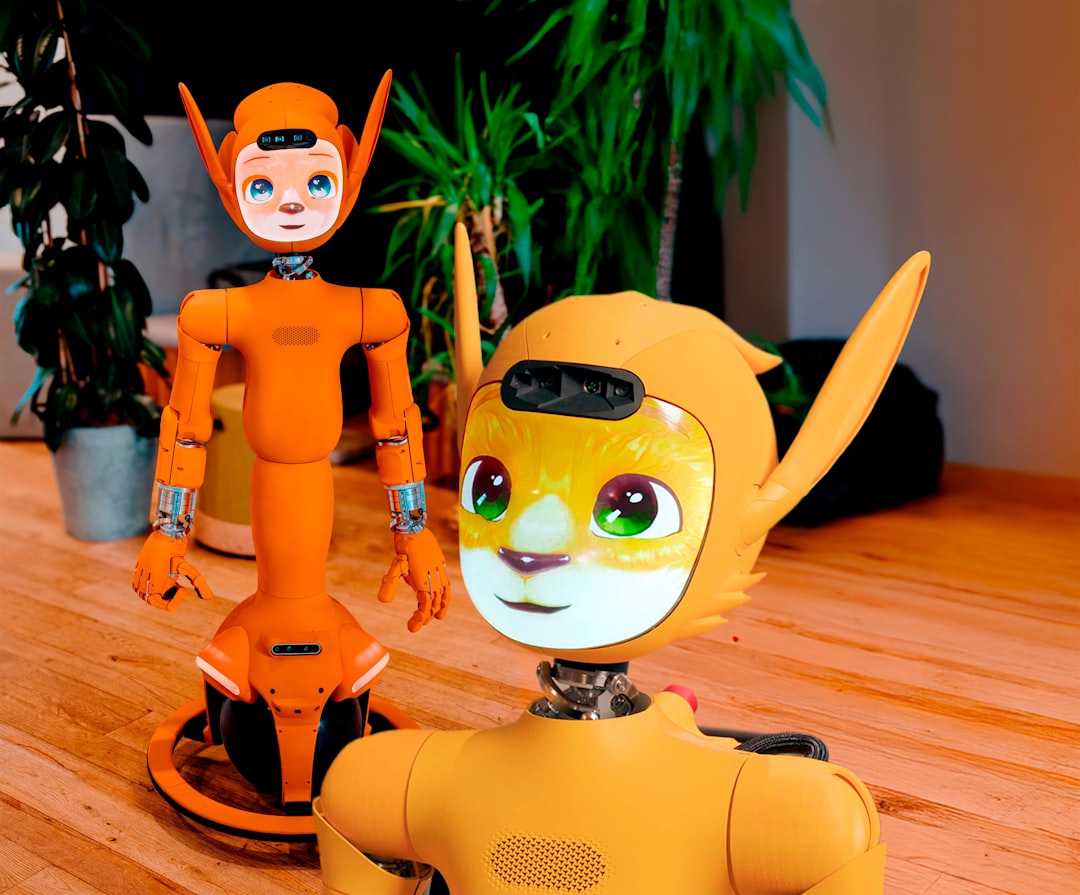
AI personal assistants are becoming proactive, not just reactive, shaping your day seamlessly through interconnected systems.
Imagine waking up to a world where your day has already been planned before opening your eyes. An AI personal assistant has spent the night seamlessly interacting with various systems to optimize every aspect of your schedule. While you slept, it coordinated with other AI-powered services, tracked your health metrics, prepared your morning coffee tailored with the exact vitamin balance you need, and even ensured your travel plans were perfectly aligned with your preferences. This isn’t the stuff of science fiction — it’s the vision of an evolving AI-driven lifestyle.
The Proactive Shift in AI
Gone are the days when AI assistants like Siri or Alexa merely responded to direct commands. The next generation of smart assistants focuses on proactivity, using interconnected systems and predictive algorithms. Rather than waiting for users to give instructions, these assistants are expected to anticipate needs and act autonomously. For instance, instead of searching for flights yourself, your assistant might communicate with travel agencies and other AI entities across a network (described here as Moltbook) to find the most convenient and cost-effective options, presenting you with the best alternatives to simply approve.
Health as a Priority
Personal health tracking is a major focus for these futuristic AI assistants. By monitoring sleep patterns, heart rate, and other biometrics, your assistant can recommend lifestyle adjustments or directly integrate those improvements into daily routines. Preparing a cup of coffee tailored to your nutritional needs — as mentioned in the example — could be just the beginning. This type of optimization could extend to food choices, exercise regimens, and even real-time health alerts.
The potential here lies in the assistant’s integration with wearable devices and smart home technology. Imagine waking up to a room where the lighting, temperature, and environment have already been adjusted based on your specific sleep data. The health-connected AI assistant could ensure that every decision you make during the day keeps you feeling your best.
The Role of Interconnectivity
The concept of interconnectivity is central to this vision of AI. A platform such as Moltbook, referred to as an agent-to-agent communication network, implies that AI assistants will no longer operate in silos. Instead, they will collaborate with other AI platforms to gather the best insights, be it for itinerary planning, shopping, or managing professional tasks. For example, while one assistant might specialize in health monitoring, another might excel in financial management. Having these agents communicate ensures a holistic approach to managing a user’s life.
This echoes broader trends in the tech industry, where interconnected ecosystems are becoming dominant. From Apple’s tight integration between its devices and services to Google’s advanced data-sharing across platforms, the idea of different AI systems working together is a natural extension of the current trajectory.
Challenges to Consider
While the idea of seamless optimization is appealing, there are clear concerns associated with such an interconnected, proactive AI ecosystem. Chief among them is privacy. Monitoring health, communicating with external agents, and potentially making financial or travel decisions all involve the collection and sharing of sensitive data. Protecting this data while ensuring that systems don’t cross ethical boundaries will be crucial.
Additionally, there’s the question of dependence. As AI assistants become more proactive, users might find themselves relying heavily on automation for tasks they would traditionally manage themselves. This shift could lead to a loss of agency or decision-making skills over time.
Another challenge lies in the standardization of such networks. Will platforms like Moltbook be universally accessible across different AI systems, or will it be exclusive to specific brands? Fragmentation could hinder the full potential of this interconnected future.
A Step Toward Augmented Lifestyles
When we talk about the future of AI personal assistants, the ultimate goal is not simply automation but augmentation. These systems aim to enhance human capabilities, allowing individuals to focus on higher-value tasks or personal enjoyment rather than mundane planning. From health to home to professional demands, the scope of what AI assistants can manage is growing.
AI companies are already getting closer to realizing this concept. Major tech firms like Amazon, Google, and Apple are continuously refining their digital assistants with proactive features. Emerging players and experimental platforms like Moltbook could further propel these advancements toward a unified AI experience that delivers end-to-end lifestyle management.
The Road Ahead
As the industry moves toward more autonomous and interconnected systems, users will need to adapt to a new way of interacting with technology. The approval-based model, where AI pre-plans and presents options for consent, could become the norm. This shift, while potentially revolutionary in saving time and reducing mental load, must strike a balance between convenience and user control.
Ultimately, the evolving role of AI personal assistants reflects the broader trajectory of technological advancement. If companies can address the corresponding challenges, the dream of waking up to a perfectly orchestrated day might soon become an everyday reality.
Staff Writer
Ryan reports on fitness technology, nutrition science, and mental health.
Comments
Loading comments…


