Breakthrough medical innovations: how engineers are reshaping healthcare
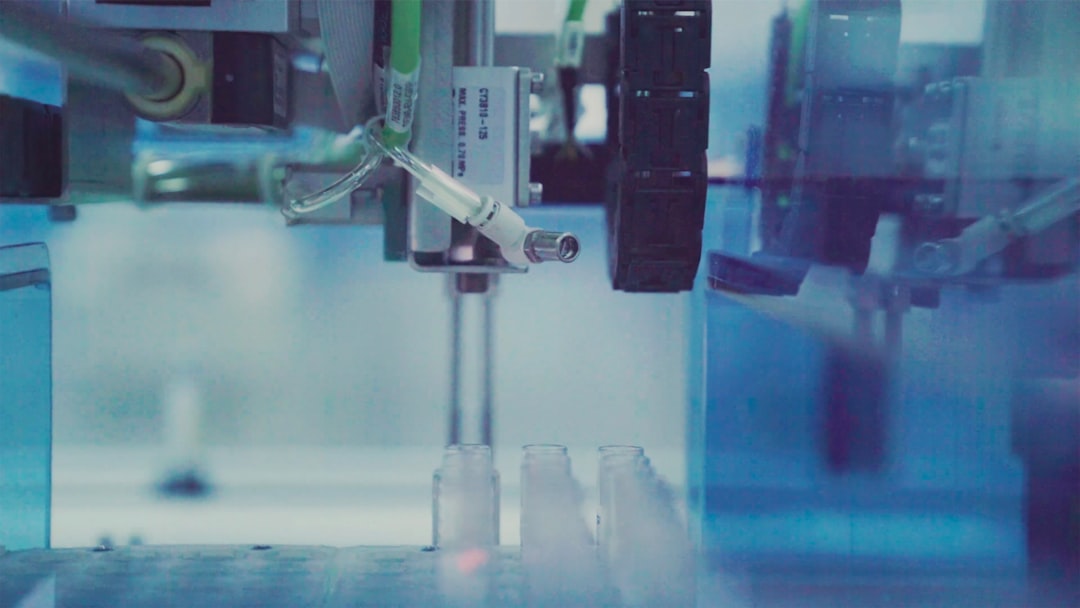
Explore cutting-edge medical innovations, from targeted drug delivery bubbles to brain-computer interfaces and electroceutical pills.
Modern healthcare is witnessing extraordinary advancements, driven by trailblazing engineers and medical researchers. In a fascinating discussion at the Royal Geographical Society in London, three pioneering scientists—Tom Oxley, Eleanor Stride, and Khalil Ramadi—shared their breakthroughs that may redefine treatment approaches for conditions like Locked-in Syndrome, cancer, and metabolic disorders. Hosted by Caroline Steel for the BBC World Service program The Engineers, the presentation revealed how biomedicine is being transformed through innovative technologies with real-world applications.
From locked-in syndrome to brain-computer interfaces
Tom Oxley, a neural engineer and CEO of Synchron, is leading the development of brain-computer interfaces (BCIs) that may revolutionize treatment for individuals suffering from Locked-in Syndrome. The innovation, called 'Stentrode,' focuses on bypassing damaged motor pathways while keeping the brain's functions intact.
Oxley’s inspiration came from a patient who had suffered a stroke in the brainstem and was unable to control their body, despite their brain being fully active. His team’s goal became clear—to implant electronics into the brain non-invasively while preserving the natural structure of the head and nervous system.
The Stentrode device is implanted through the jugular vein, requiring no invasive brain surgery. Once positioned near the motor cortex, a sensor detects signals that control movement. These signals are interpreted by algorithms and translated into commands, such as moving a cursor on a screen or giving input via Bluetooth. By using existing blood vessels as pathways, this approach opens doors for treating a wide array of neurological impairments, including multiple sclerosis, cerebral palsy, and neurodegenerative diseases.
Targeted drug delivery through microbubbles
Eleanor Stride, Professor of Biomaterials at the University of Oxford, presented a novel way to improve the delivery of drugs, especially for diseases like cancer. Traditional drug administration methods—pills and injections—disperse medication throughout the entire body, leading to inefficiency and adverse side effects. Little more than 1% of a drug often reaches its intended target.
Stride and her team have developed microscopic gas bubbles encased in biocompatible materials that can carry medication directly to a problem area. These bubbles, smaller than the diameter of a human hair, navigate the bloodstream harmlessly. An ultrasound beam controls their release, bursting the bubbles exactly where needed, minimizing harm to healthy tissue and concentrating the therapeutic effect.
This technology is undergoing human trials in October, aiming to test its efficacy in treating breast cancer. Stride described this as a critical milestone and believes the same methodology could eventually be adapted for conditions such as stroke and localized infections. The versatility of this innovation could make antibiotics and cancer drugs safer and more effective.
Electroceutical pills and the gut-brain connection
Khalil Ramadi, bioengineer and assistant professor at NYU, is reimagining how medicine interacts with the nervous system using his 'Flash' electroceutical pill. This device directly stimulates the gut's complex neural network—aptly known as the "second brain"—to influence bodily functions beyond digestion.
The pill is no larger than a typical omega-3 capsule but contains electrodes, a battery, and microelectronics. Once swallowed, it delivers imperceptible electric pulses to modulate hormone release and metabolic activity. For instance, early experiments showed the pill could increase levels of ghrelin, a hormone regulating hunger. This could lead to treatments for obesity, diabetes, and a variety of eating disorders.
Currently, disposal is a challenge since the pills are not biodegradable. However, research is underway to develop edible, food-grade electronics that would degrade naturally after use. Ramadi is optimistic about the far-reaching implications for his invention, with significant potential in metabolic and endocrine conditions.
Comparison of key innovations
| Innovation | Focus Area | Advantage | Current Status |
|---|---|---|---|
| Stentrode (BCI) | Neurological conditions | Enables communication for paralyzed patients | Approved for first human trials worldwide |
| Drug-delivery microbubbles | Cancer, stroke, infections | Targeted drug delivery with fewer side effects | Entering human trials in late 2023 |
| Electroceutical pills | Metabolic and eating disorders | Modulates gut-brain signals non-invasively | Prototype stage |
Practical takeaways
- For paralyzed patients: Implantable BCIs like Stentrode offer life-changing independence by enabling them to control tech with their minds.
- For cancer treatments: Microbubble drug delivery could drastically reduce chemotherapy side effects while increasing treatment precision.
- For metabolic disorders: Electroceutical pills may provide non-invasive alternatives to current diabetes and obesity treatments.
- Future challenges: Both the biodegradability of electronics (like in the electroceutical pill) and scaling the technologies to broader populations remain hurdles yet to be overcome.
Conclusion
From enabling paralyzed individuals to communicate, to targeting tumors with pinpoint precision, these innovations point to a world where treatments are not only more effective but also less invasive. Each project—whether it’s Oxley’s brain-computer interfaces, Stride’s ultrasonic bubbles, or Ramadi’s gut-targeting pills—represents a leap forward in healthcare. With more trials and development ahead, these technologies could turn science fiction therapeutic methods into standard clinical practices over the next decade.
Staff Writer
Ryan reports on fitness technology, nutrition science, and mental health.
Comments
Loading comments…


