California governor's debate tackles affordability, housing, and healthcare
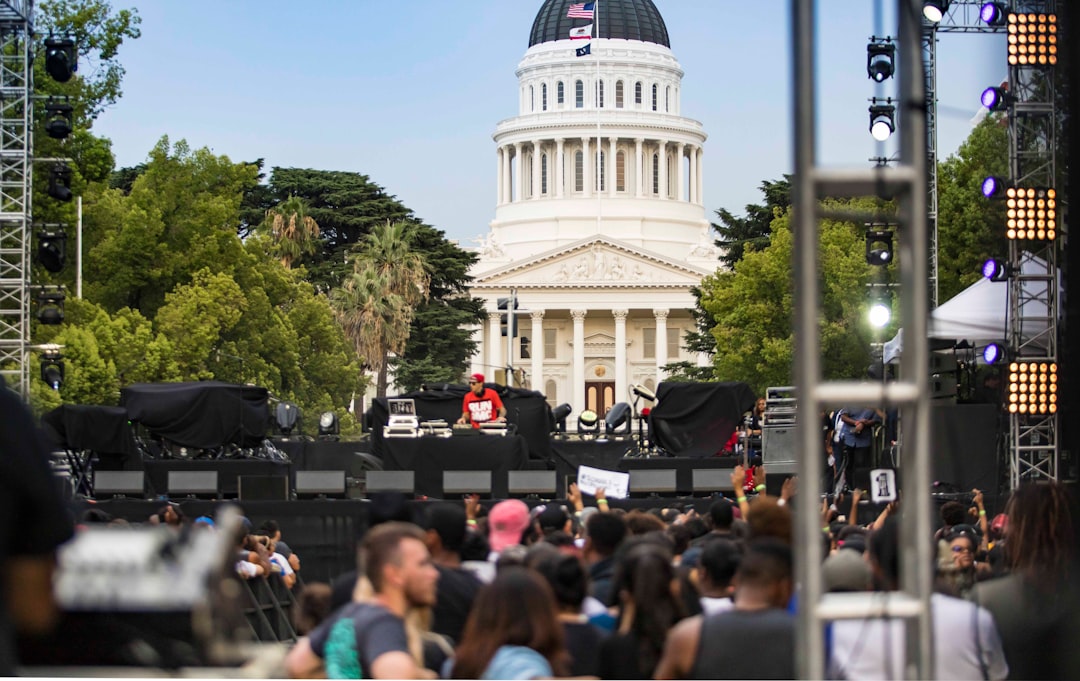
CBS California hosts a gubernatorial debate focusing on key issues like affordability, housing, and healthcare amid California’s intense election cycle.
The future of California took center stage during a highly anticipated 90-minute gubernatorial debate hosted by CBS California at Pomona College’s Bridges Auditorium in Claremont. This inclusive debate featured eight candidates for governor as they outlined their visions for addressing some of the state's most pressing issues—affordability, housing, and healthcare.
Affordability: Restoring the California Dream
California’s skyrocketing cost of living loomed large over the debate. According to a CBS poll unveiled during the event, 64% of respondents expressed skepticism that the California Dream was still attainable. Candidates were asked about their strategies for addressing this widespread sentiment.
Steve Hilton, one of the candidates, proposed a comprehensive approach that included cutting gas prices by $3, reducing electric bills by half, and introducing tax-free income for Californians earning up to $100,000 annually. Hilton also emphasized the need to make housing affordable for younger generations to help restore the elusive California Dream:
"We want young people to be able to make their lives here. My plan includes both immediate relief and long-term structural changes," Hilton declared.
Chad Bianco, another candidate, took a critical view of California’s current leadership, attributing affordability issues to heavy taxation and overregulation. He argued that the Democratic supermajority in Sacramento has failed to address the foundational problems: "The taxes and regulations have to go," Bianco stressed.
However, the debate revealed some fundamental differences in approach. Candidate Xavier Becerra, for instance, contended that cutting taxes like the gas tax without a viable alternative would worsen California’s infrastructure, leaving roads and bridges in disrepair. "We must fund quality infrastructure," he argued, noting that poor planning would only exacerbate existing issues.
The Housing Crisis: Building for the Future
Housing affordability has become a generational problem in California. Homeownership rates are among the lowest in the nation, and Governor Gavin Newsom’s lofty promise of building 3 million homes has fallen flat, with only 500,000 completed. Candidates were quick to highlight their strategies for addressing this shortfall.
Tony Thurmond proposed an ambitious plan to build 1 million housing units by utilizing unused surplus land owned by school districts. "Homeownership is slipping away," Thurmond warned, while highlighting the importance of down payment assistance grants to ease the path for first-time homebuyers.
Katie Porter and Antonio Villaraigosa advocated for cutting the red tape associated with permitting and zoning. "California builds apartment housing and single-family homes about eight years slower than competitor states," Porter explained. She pointed out that delays increase housing costs by 10-20% and committed to initiating reforms and fostering innovation in construction methods.
Villaraigosa, who served as the mayor of Los Angeles, took a practical approach, boasting a track record of success: "I built more housing in eight years than they did in the twelve years before my tenure. Streamlining this process statewide can make a real difference," he said, proposing a $25 billion initiative to provide first-time buyers with financial assistance at no cost to taxpayers.
Gas Prices: A Simple Fix or a Broader Problem?
California’s gas prices are the highest in the nation, and the gas tax—currently $0.61 per gallon—has drawn sharp criticism. This issue became the subject of a lightning round, where candidates were asked for a yes-or-no stance on suspending the tax.
While some candidates, including Steve Hilton and Chad Bianco, supported suspending the tax to provide immediate relief, others, such as Xavier Becerra and Antonio Villaraigosa, opposed the idea. They argued that the gas tax is essential for maintaining infrastructure and pointed out that suspension could create funding gaps.
Tom Steyer took a different stance altogether, advocating for a windfall profits tax on oil companies instead. "Gas prices are high because of corporate greed," he claimed, underlining the need to hold companies accountable while protecting consumers.
Healthcare: A Right or a Challenge?
With the end of federal subsidies for programs like Covered California, 97% of those enrolled face increased premiums, with many Californians skipping or delaying medical care as a result. The candidates outlined their plans to tackle this healthcare affordability crisis.
Xavier Becerra, who previously worked on the Affordable Care Act, called for stronger opposition to federal cuts. He argued that sustained funding through state initiatives is critical, touting the importance of programs like California Rx, which lowers prescription drug prices.
However, Hilton criticized the approach as reactive, emphasizing deregulation within the healthcare industry to enable competition, which he said would naturally lower costs. "We don’t have enough competition in our healthcare system, and that’s causing prices to rise," Hilton argued.
Tom Steyer presented a long-term vision, proposing a transition to single-payer healthcare, which he believes could significantly reduce costs and improve access. "Affordable healthcare is a right for every Californian, but we need a structural overhaul to make it sustainable," Steyer explained, suggesting a phased plan to implement this system over the next three years.
The Debate in Context
Hosted in partnership with Pomona College and Asian Pacific American Public Affairs, the CBS debate brought together a diverse audience of students, faculty, and community members. The emphasis on inclusivity ensured that a broad range of issues were addressed, but it also highlighted deep political divides on the path forward.
The event featured innovative formats, including lightning rounds where candidates were required to give succinct yes-or-no answers—allowing viewers quick insights into their stances. However, not all discussions fit neatly into such concise formats, and candidates often sought to expand on issues demanding more nuance.
Looking Ahead
California’s 2024 gubernatorial election carries significant weight, as the decisions made by the next governor will shape the trajectory of a state struggling with affordability, housing, and more. Whether voters lean toward sweeping reforms or incremental policies will depend on how they interpret the promises and proposals discussed during this debate.
The debate offered plenty of fuel for discussion but left voters with the challenging task of determining who has the vision—and the practicality—to restore the California Dream.
Staff Writer
Ryan reports on fitness technology, nutrition science, and mental health.
Comments
Loading comments…


