Ceasefire in Iran Conflict: Global Repercussions and Alberta's Energy Sector Response
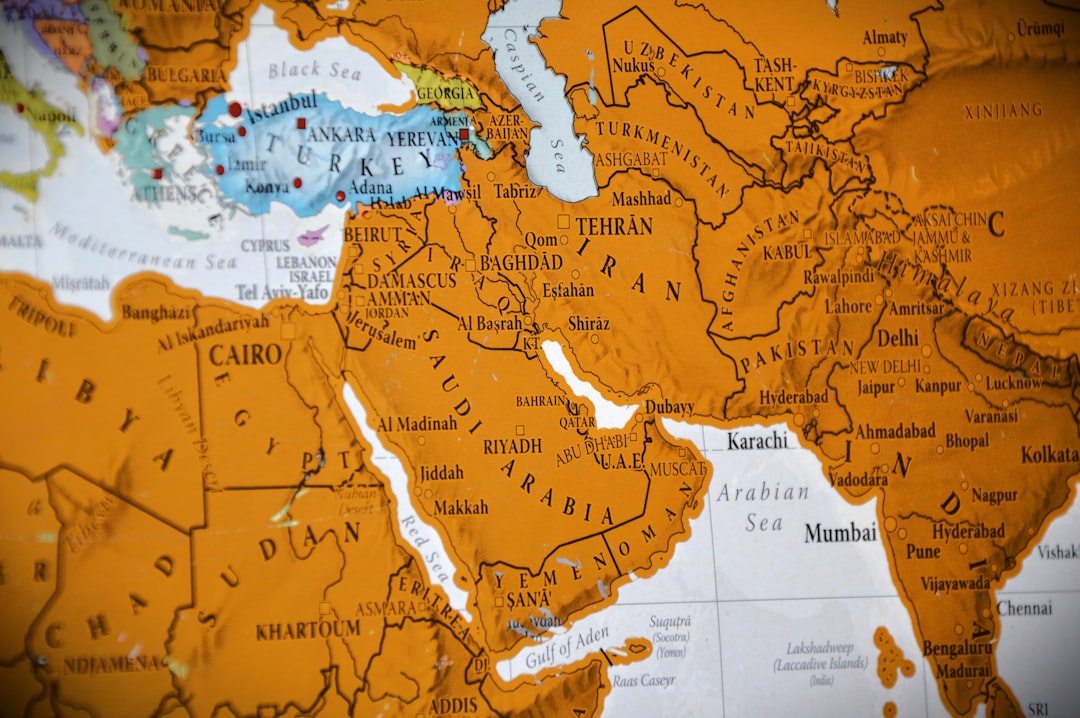
A 14-day ceasefire in the Iran conflict highlights escalating tensions, impacts Alberta's energy sector, and raises questions about Donald Trump's leadership.
The announcement of a 14-day ceasefire in the ongoing Iran conflict by U.S. President Donald Trump comes amidst escalating tensions that have reverberated globally. After nearly six weeks of threats and military action, the latest development signals a temporary de-escalation, but the uncertainty surrounding the region continues to deeply affect international markets, including Alberta’s vital energy sector.
Trump’s Dueling Rhetoric Raises Questions
Hours before the ceasefire announcement, Trump’s extreme rhetoric highlighted the volatility of his leadership. In a stunning statement, he warned that “a whole civilization could die.” Yet, soon after, he declared a two-week ceasefire, conditional on Iran ensuring the “complete, immediate, and safe reopening of the Strait of Hormuz.” This waterway is pivotal for the global flow of oil, and its recent closures due to escalating conflict have disrupted markets significantly.
Trump’s proclamations stirred concerns beyond market instability. Critics voiced increasing unease over the president’s erratic governance. Observers are noting a growing number of skeptics, even within his once-loyal support base. According to commentators on Alberta Primetime, even former allies such as Tucker Carlson and Marjorie Taylor Greene have begun to question his decision-making. Janet Brown, a political consultant, suggested the nickname "Taco—Trump Always Chickens Out—Tuesday" is making its rounds as a reflection of how Trump appears to step back just as the stakes peak.
To some, the ceasefire may feel like temporary relief, but it also underscores Trump’s wavering approach to diplomacy and his apparent desire to avoid full-scale conflict, particularly as markets react. Gary Maher, president and CEO of the Canada West Foundation, highlighted the rapid back-and-forth nature of events, saying, “It’s very, very difficult to follow events in real time.” This unpredictability adds to the broader geopolitical unease.
Alberta's Energy Market: Caught in the Crossfire
Alberta’s energy industry has been watching the Strait of Hormuz developments with concern. With oil prices skyrocketing above $100 per barrel earlier this week, the region experienced short-term gains, though prices dropped slightly after the ceasefire. However, the implications of the conflict stretch beyond short-term price fluctuations, likely affecting everything from pipeline policies to market stability. Maher emphasized that Alberta has long needed diversified access to global markets to shield its economy from such volatility.
Western Canada relies heavily on the energy and agricultural industries for its economic output, and disruptions in the region around the Strait of Hormuz exacerbate existing vulnerabilities. For example, nitrogen-based fertilizers and other agricultural inputs linked to global supply chains have become more expensive amid the unrest, driving up farm costs in Alberta and potentially inflating grocery prices across the province. As Maher put it, “It’s more than just the price of gasoline at the pump. This will affect us very, very directly.”
Long-Term Solutions for Alberta's Economy
Maher noted that the key to dealing with international crises lies in long-term planning, particularly for trade infrastructure. Although pipelines and other facilities require years of investment before impacting markets, they represent a strategic necessity. “The best time to plant a tree is 20 years ago. The next best time is today,” he remarked, urging immediate action to reduce Western Canada’s dependence on unpredictable regions like the Middle East.
From energy to agriculture, the effects of the Iran conflict drive home the urgency of diversifying export options. The Alberta energy sector, although buoyed by periodic price jumps, cannot hinge its long-term strategy on short-term gains driven by geopolitical chaos. Maher stressed that pipelines like Trans Mountain and robust trade agreements should form the backbone of Canada’s future energy strategy.
Broader Implications of Trump’s Leadership on Geopolitics
Trump’s erratic tendencies have caused ripples well beyond North America’s borders. European leaders joined Canada’s Prime Minister Mark Carney in cautiously welcoming the recent ceasefire. However, their statements—emphasizing long-term stability over temporary measures—reflect frustration with the lack of clear or reliable leadership from the United States.
Political consultant Janet Brown noted that leaders like Carney have leaned into messaging “boring stability,” contrasting sharply with Trump’s unpredictable behavior. Rhetoric from Trump risks undermining the credibility of his administration on the world stage. Meanwhile, global institutions are working overtime to mitigate the impacts of ongoing instability fueled by his polarizing approach.
Short-Term Fixes vs. Sustainable Solutions
The ceasefire may grant some reprieve, but economic adjustments in provinces like Alberta hinge more on structural reforms than fleeting policy shifts. On the fuel front, some have suggested a “tax holiday” on gasoline as a short-term alleviation for consumers. However, as Maher pointed out, sustainable economic solutions lie in boosting productivity and insulating the economy from external shocks. The current crisis ultimately underscores the need for medium- and long-term planning to secure market resilience.
In Alberta, political discourse increasingly revolves around turning challenges like the Iran conflict into opportunities. By investing in pipelines, transportation, and trade facilities, Canada could position itself as a more reliable supplier of essential commodities worldwide. For resource-reliant provinces, these investments won’t materialize overnight but could help ensure long-term competitiveness.
Final Thoughts: What Comes Next?
The dynamics of the Iran conflict are shifting, but the complex interplay of politics, markets, and leadership remains precarious. Alberta’s energy and agricultural sectors serve as stark reminders of how deeply interconnected local industries are with global events.
Ultimately, the regional and international response to Trump’s ceasefire proclamation offers lessons about the importance of consistent and credible leadership. While the immediate turmoil may subside, the long-term uncertainty—both in the Middle East and in Alberta—requires clear action plans to mitigate the risks ahead.
Staff Writer
Ryan reports on fitness technology, nutrition science, and mental health.
Comments
Loading comments…


