Earth Day 2026: Simple ways to improve the planet and your health
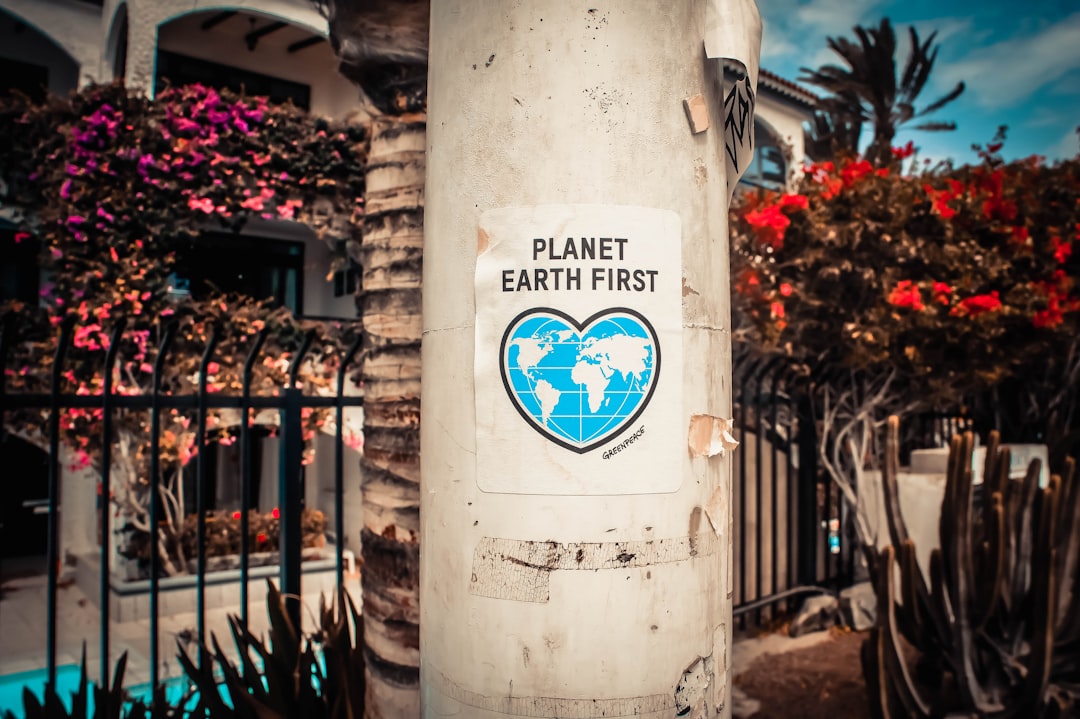
Earth Day 2026 inspires us to adopt habits that benefit both the planet and our health. From biking to reusable bottles, small changes have a big impact.
Earth Day is not just a once-a-year reminder to care for the planet but a call-to-action to integrate sustainable practices into our daily lives. This year's Earth Day highlights the undeniable connection between environmental conservation and personal health. Dr. Frank George and Dr. Winnie Arman both advocate simple yet impactful changes to protect the earth while improving our well-being.
Why health and the planet are intertwined
As Dr. Arman puts it, “What’s good for our health is often good for the planet too.” The choices we make—from the way we travel to how we eat—not only affect our environment but have direct implications for our physical and mental health. Adopting eco-conscious habits doesn’t just reduce pollution; it can lower disease risk, improve mood, and even save money.
Small changes, big impact
Here are some practical steps from Earth Day experts that demonstrate how small changes to daily routines can drive meaningful results for both personal and environmental health:
1. Move more by walking and biking
Replacing short car trips with walking or biking achieves two important goals. First, it provides a significant boost to both physical and mental health. Cardiovascular strength improves, and spending time outside has been linked to reduced stress levels. Additionally, it cuts down on air pollution and greenhouse gas emissions caused by vehicles. These pollutants not only harm the planet but contribute to respiratory diseases and other health issues.
2. Eat a plant-forward diet
Dr. Arman recommends focusing on vegetables, beans, legumes, and whole grains. Shifting to a plant-based or plant-forward diet reduces the environmental footprint of our food system, which is often driven by resource-intensive animal agriculture. On a personal level, such diets lower the risk of chronic diseases such as heart disease and diabetes. Even small changes, like opting for Meatless Mondays, can make a collective difference.
3. Rethink waste with reusable solutions
Single-use plastics have become a major source of pollution, accumulating in oceans, soil, and even our bodies. Simple swaps like using refillable water bottles and reusable food containers drastically reduce waste. Since most plastics are non-recyclable and persist in the environment for hundreds of years, embracing reusables is both practical and necessary. Plus, this choice can be beneficial for your health by limiting your exposure to microplastics found in disposable products.
4. Reduce fossil fuel emissions
Fossil fuels don’t just pollute the environment; they’re directly linked to heart and lung diseases through air pollutants like particulates and nitrogen oxides. Minimizing emissions by avoiding idling your car, using electric-powered tools, and conserving electricity at home contributes to cleaner air and a healthier life.
5. Spend time in green spaces
According to Dr. Arman, being in nature doesn’t just help the environment—it benefits you as well. Studies show that time spent in natural settings improves mental well-being, reduces blood pressure, and encourages physical activity. You can also contribute to the environment by planting trees or caring for local green spaces.
Additional tips for sustainable and healthy living
Other suggestions shared by Dr. George include avoiding unnecessary antibiotics to preserve your microbiome and prevent resistant bacterial strains. This not only protects your health but keeps waterways free from pharmaceuticals that can disrupt aquatic ecosystems. When taking medications, opt for 90-day supplies when possible. This reduces trips to the pharmacy and the amount of packaging used.
Equally important is safe medication disposal. Participating in drug take-back programs prevents harmful chemicals from entering waterways, protecting marine life and drinking water supplies.
The financial side of sustainable choices
Many eco-conscious habits also provide financial relief, which is another dimension of personal well-being. For example, reducing food waste by meal planning saves money and lowers household garbage output. Energy-efficient practices like using LED bulbs or weatherproofing your home can significantly cut electricity bills. Embracing a less consumer-driven lifestyle—buying secondhand or choosing high-quality, durable items—reduces the long-term financial and environmental costs that come with disposable products.
Every action counts
Earth Day 2026 serves as a reminder that seemingly small efforts can create meaningful ripple effects. From walking to work to carrying a reusable water bottle, each decision contributes to healthier lives and a healthier planet. As Dr. George noted, “It’s all interconnected.” By adopting habits that address both environmental and personal well-being, we all have the power to foster a sustainable future.
Whether you start by skipping the car for short errands, eating more plants, or sealing cracks to save energy, every little bit truly helps. Earth is our only home, and taking better care of it can mean taking better care of ourselves.
Staff Writer
Ryan reports on fitness technology, nutrition science, and mental health.
Comments
Loading comments…


