Fitness Tips for Beginners: What I Wish I Knew Before Starting Out
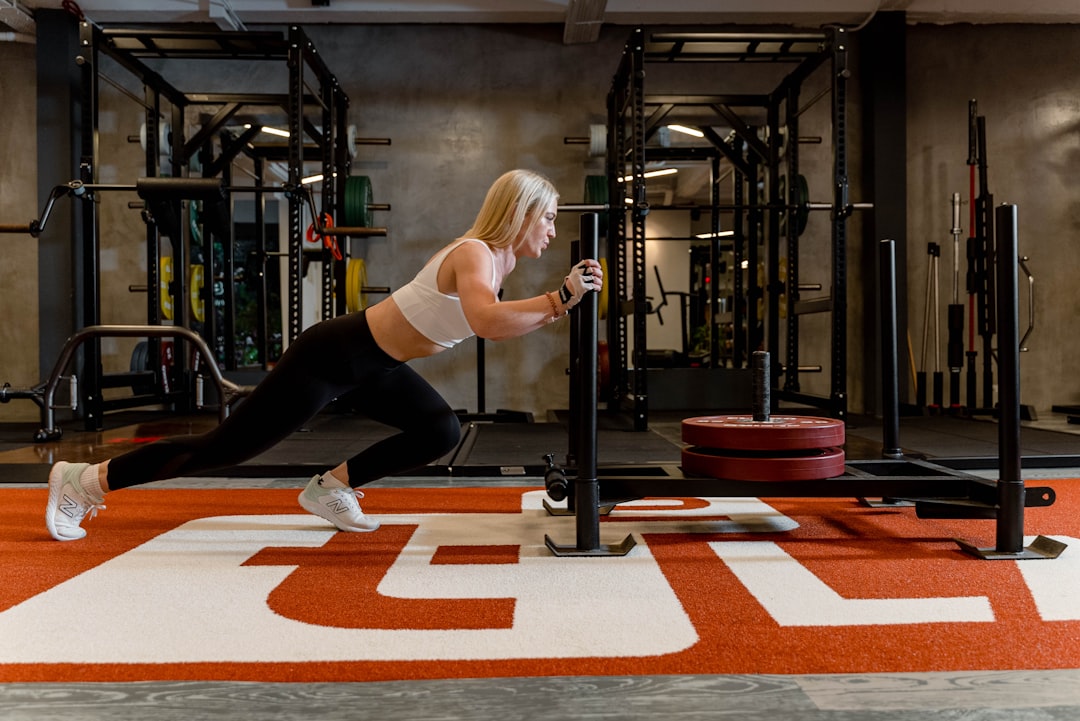
Discover crucial fitness tips for beginners, including eating right, consistent workouts, and maintaining a balanced mindset for long-term success.
The Fitness Tips Every Beginner Should Know
Starting your fitness journey can feel overwhelming, especially with so much conflicting information out there. Many people, even those who have been working out for years, make common mistakes at the start. Here’s a breakdown of what fitness enthusiast Lean Beef Patty wishes she had known when she got started. If you’re a beginner, these lessons could save you time, stress, and setbacks.
1. Proper Nutrition Is Non-Negotiable
One of the biggest misconceptions newbies have is believing that they only need food if they are physically active. It’s essential to understand that your body requires calories just to function. Your basal metabolic rate (BMR)—the calories your body burns at rest—ensures vital processes like your heart beating and hair growth.
Leaning into unhealthy habits like extreme dieting or 1,200-calorie plans is counterproductive. Undereating can have severe side effects, such as energy depletion, nutrient deficiencies, and even hormonal imbalances. As a beginner, make sure you eat enough to fuel your body, regardless of how active you may be on a given day. Look up your BMR and ensure your calorie intake never falls below that.
2. Stick with Consistency Over Constant Change
It’s easy to fall into the trap of changing workouts every week in search of the “perfect” program. Beginners often feel the need to switch exercises constantly, thinking it will produce faster results. In reality, fitness progress relies on doing similar moves consistently and incorporating progressive overload—gradually increasing weight, reps, or intensity—over time.
You don’t need a radically different workout each week. Pick a program aligned with your fitness goals, stick with it, and track your progress. This will give your body time to adapt and deliver measurable improvements.
3. Choose a Workout Split That Fits Your Goals
Full-body workouts six days a week may not be the best option for everyone. While this approach works for some, it often leads to insufficient rest, poor recovery, and slower progress. Popular programs like the push-pull-legs split allow your muscles adequate rest between sessions while keeping your routine structured.
There is no “perfect” workout split. Whether you opt for push-pull-legs, a bro split (isolating specific muscle groups), or another structure, the key is to choose what you enjoy and what aligns with your goals.
4. Shorter Workouts Can Be Effective
One common misconception is that a workout has to last two or three hours to be effective. The truth is, depending on your routine, workout goals, and energy levels, shorter sessions can still bring results.
Powerlifters may require longer sessions due to extended rest periods, but for most people doing hypertrophy or cardio, efficient workouts under an hour are sufficient. Even activities like walking on a treadmill or a quick circuit at the gym count as meaningful movement. Focus on quality over quantity.
5. The Risks of Staying Too Lean
Maintaining a very low body fat percentage for an extended period isn't sustainable, particularly for women and individuals taking hormonal birth control. Prolonged leanness can lead to several negative effects:
- Loss of energy
- Poor sleep quality
- Hormonal disruptions, including missed periods
- Hair thinning and dull skin
While staying lean might look good on the surface, it can seriously harm your health over time. Avoid setting unrealistic body image standards and prioritize overall wellness.
6. Your Training Style Impacts Your Results
How you train impacts how your body looks. For example, training for hypertrophy (muscle growth) will yield different results than only focusing on losing fat. If your workouts aren’t aligned with your ideal physique goals, the results may not match your expectations.
Strive for an honest connection between your goals and your training style. If you’re not sure, consult a certified trainer to help tailor a program that makes sense for you.
7. Balance, Not Perfection
One of the most valuable lessons often overlooked is that you don’t need to be perfect. Many people get caught up in obsessing over their diets or skipping social events for fear of eating “off-plan.”
Fitness should add to your life, not consume it. If you miss a day at the gym, eat out with friends, or step away from your routine temporarily, it’s okay. In fact, taking occasional breaks can actually improve long-term sustainability. What matters is consistency over time, not day-to-day perfection.
Key Takeaways for Fitness Beginners
For those just starting, here are some practical tips:
- Fuel your body adequately and never neglect basic caloric needs.
- Stick to a defined program and avoid constantly chasing the next best thing.
- Experiment with workout splits to find what fits your lifestyle and goals.
- Accept that short and moderate workouts can be extremely beneficial.
- Prioritize health over aesthetic goals like extreme leanness.
- Align your workouts with your actual fitness and physique goals.
- Embrace balance over perfection, making fitness a part of your life, not the whole of it.
Why Mindset Matters
Over-focusing on your physical appearance can lead to frustration and dissatisfaction. Lean Beef Patty shares that her happiest experiences came when she stopped obsessing over her body image and allowed herself to focus on enjoying the process.
Instead of striving for flawless routines and a perfect physique, work on cultivating a supportive mindset. Fitness is about progress, not perfection. Whether you’re doing this to feel stronger, healthier, or simply to enjoy moving your body, keep the bigger picture in mind.
Final Thoughts
Fitness is a journey, not a race. Mistakes and missteps are part of the process, but with the right knowledge, beginners can bypass common pitfalls. By fueling your body, fostering consistency, and checking in with your goals and mindset, you can create a sustainable routine that brings both physical and mental rewards.
Wherever you are on your fitness path, don’t be too hard on yourself. Fitness should enhance your quality of life, not detract from it. Keep learning, stay open-minded, and give yourself credit for every step forward.
Staff Writer
Lauren covers medical research, public health policy, and wellness trends.
Comments
Loading comments…


