Flesh-eating bacteria and environmental crises emerge in New York waterways
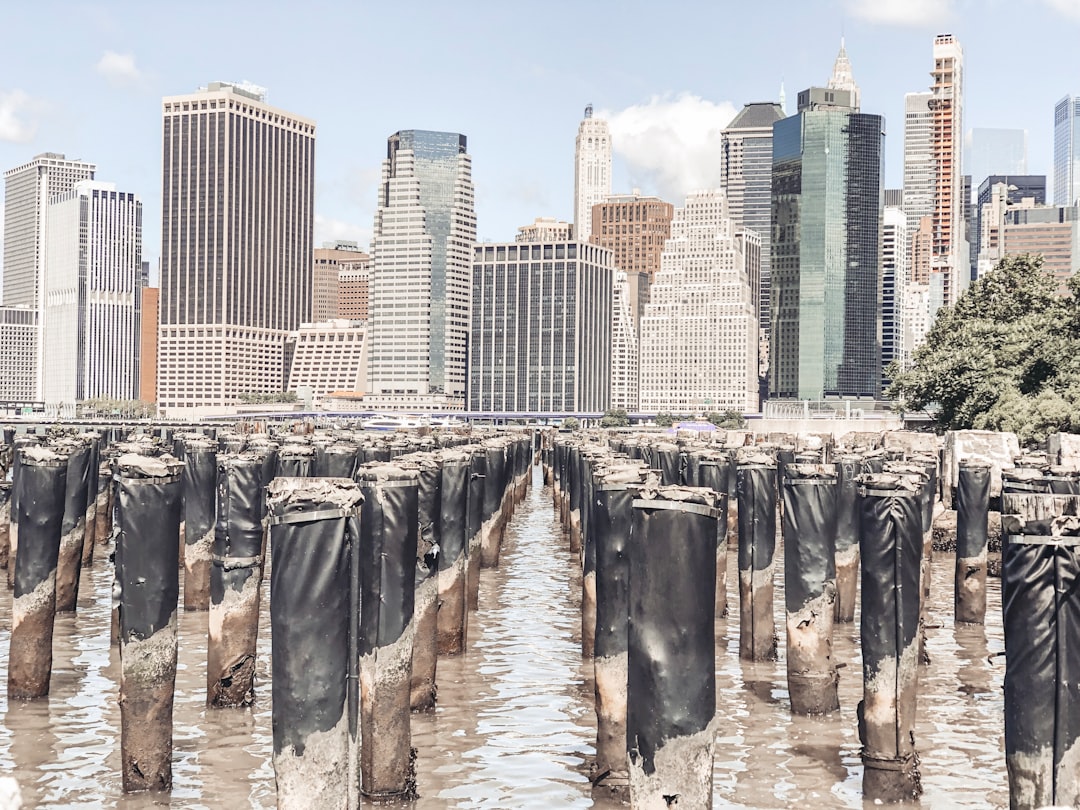
New York's coastal waters face mounting environmental and health dangers, including toxic algae blooms and flesh-eating bacteria fueled by warming temperatures.
New York's coastal waters are under serious strain, facing an alarming combination of environmental and public health crises. Experts from Stony Brook University and other research groups have identified escalating threats, including the emergence of dangerous bacteria once thought to be confined to southern states.
Record-breaking environmental challenges
Dr. Chris Gobler, a professor at Stony Brook University’s Southampton Lab, highlighted that 2023 marked one of the most severe years on record for New York’s waterways. Coastal waters experienced a surge in low-oxygen "dead zones"—areas where marine life struggles to survive—and widespread toxic algae blooms. These conditions aren't just harming marine ecosystems; they're posing direct risks to humans and pets.
Among the most concerning developments is the appearance of flesh-eating bacteria (Vibrio vulnificus) in New York waters. Traditionally found in warmer southern states, this bacteria has now established a presence in local waters, with the highest concentrations detected during the heat of summer. "In 2023, it showed up in New York," Dr. Gobler said. Tragically, three deaths linked to Vibrio vulnificus were reported in the Long Island Sound last year.
Causes: Warming waters and pollution
Scientists point to the twin culprits of climate change and nitrogen pollution for these worsening conditions. As global temperatures rise, New York’s waterways are becoming warmer, creating an ideal environment for harmful bacteria and algae to thrive. Compounding this issue, large amounts of nitrogen are leaching into the water from aging cesspools and septic systems. Nitrogen pollution not only fuels algae growth but also depletes oxygen levels, suffocating marine life.
Efforts to address these issues include financial incentives for homeowners to replace outdated cesspools with modern systems. State and county-level grants are available, covering the costs of these upgrades, according to Dr. Gobler. "It’s critically important, especially if you live close to the water," he emphasized, noting that these grants don’t require repayment.
Progress and solutions
While the situation is dire, there have been some successes. Dr. Gobler cited a significant improvement in the western Long Island Sound, where the size of one dead zone was reduced by an impressive 90% due to upgrades in sewage treatment facilities. "It’s really a great success story," he remarked, adding that it demonstrates the importance of collective action to restore water quality.
Innovative environmental measures are also being employed to combat nitrogen pollution. The integration of oysters, clams, and kelp into waterways has proven effective at filtering excess nitrogen from the water. These organisms act as natural purifiers, improving conditions for marine and human life alike.
Public health recommendations
To minimize risks, experts like Dr. Gobler urge the public to exercise caution. Swimming or wading in areas where saltwater and freshwater mix—prime zones for Vibrio bacteria—is particularly discouraged. Algae blooms can present other hazards, such as skin irritation or respiratory issues, further underscoring the need for awareness about water conditions.
What lies ahead
Dr. Gobler’s findings, detailed in his report "No Time to Waste," call for urgent action to curb pollution, mitigate climate change, and reduce the impacts of these threats. The presence of flesh-eating bacteria in New York waters is likely only the beginning of challenges spurred by warming seas and human-generated pollutants. But success stories, such as the rehabilitation of parts of the Long Island Sound, offer hope and a clear pathway forward: with focused investment and action, restoration is possible.
As summer approaches and more people flock to New York’s waterways for recreation, the risks remain palpable. Efforts to both educate the public and implement environmental reforms will determine the future health of these critical ecosystems.
Staff Writer
Lauren covers medical research, public health policy, and wellness trends.
Comments
Loading comments…


