Focused Ultrasound Offers New Hope for Alzheimer's and Addiction Treatments
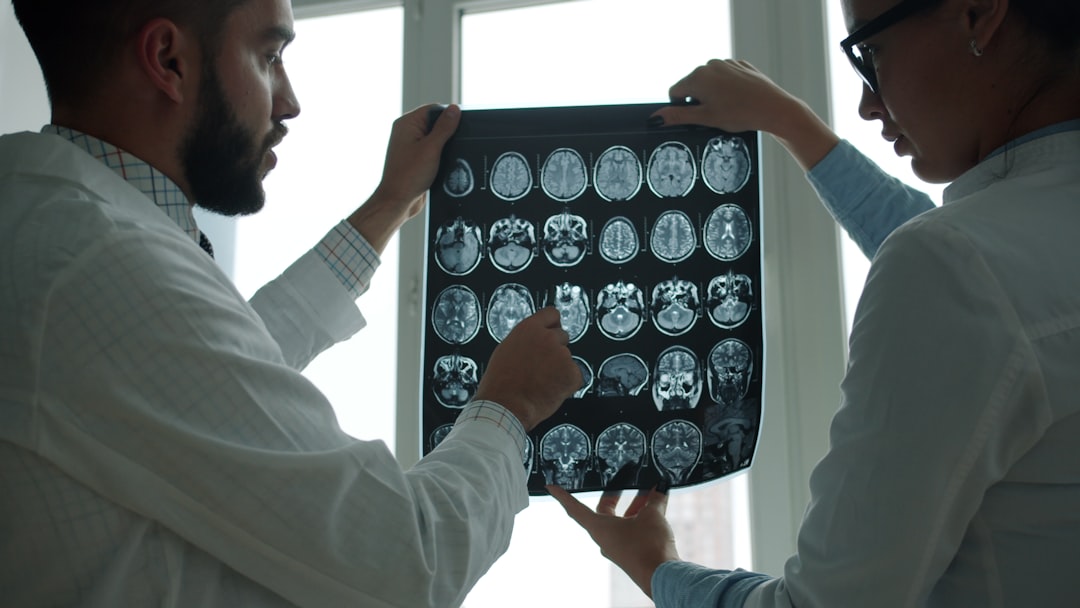
Innovative ultrasound technology opens new possibilities in brain disorders, from Alzheimer’s disease to addiction, showing promising early results.
Focused Ultrasound: A New Frontier in Treating Brain Disorders
Focused ultrasound technology is showing promising new possibilities in the fight against Alzheimer's disease and drug addiction. Dr. Ali Razai, a renowned neurosurgeon and Executive Director of the Rockefeller Neuroscience Institute, recently showcased how this cutting-edge method could revolutionize treatment for these debilitating conditions. Using non-invasive techniques, focused ultrasound provides a safer alternative to traditional brain surgery, enabling precise treatment with minimal physical trauma.
Alzheimer's Disease: Tackling Beta Amyloid Plaques
Alzheimer’s disease afflicts millions worldwide, robbing individuals of their memory and identity. Recent advances in the treatment of Alzheimer's focus on combating beta amyloid plaques – sticky protein deposits that accumulate in the brain, disrupting communication between neurons.
How Focused Ultrasound Works
Dr. Razai’s method pairs focused ultrasound with FDA-approved medications like Aducanumab and Lecanemab, which are designed to reduce these plaques. However, the blood-brain barrier—the protective lining that shields the brain from toxins—often prevents drugs from penetrating deeply enough to work effectively. Focused ultrasound solves this problem by temporarily opening the blood-brain barrier, allowing medications to reach targeted areas of the brain more efficiently.
The procedure involves:
- Ultrasound helmet and MRI guidance: The patient wears a helmet equipped with nearly a thousand ultrasound beams. The ultrasound energy is focused on plaque sites, guided by real-time brain scans.
- Injection of microbubbles: Before ultrasound treatment, doctors inject microscopic bubbles into the bloodstream. The ultrasound energy causes these bubbles to vibrate, which then pry open the blood-brain barrier for 24 to 48 hours.
- Targeted drug delivery: During the open window, medications are delivered precisely to affected regions.
Initial Results
In a six-month trial involving three Alzheimer's patients, areas treated with both focused ultrasound and drug infusions showed a 50% greater reduction in beta amyloid plaques compared to drug infusions alone. Brain scans revealed substantial decreases in plaque density, with no significant side effects reported. Patients like Dan Miller, who participated in the trial, noticed stabilization in their cognitive decline. Though not a cure, this treatment offers hope in slowing the disease’s progression.
A Legacy in Neurology Innovation
Dr. Razai is no stranger to innovation. He first gained prominence in the early 2000s for pioneering brain implants to treat Parkinson’s disease. These implants, now routine for advanced Parkinson's cases, involve placing a device in the brain to regulate abnormal neurological activity. Inspired by this success, Razai adapted focused ultrasound technology to treat other brain disorders. His expertise led him to Mongantown, West Virginia, where his team continues to push the boundaries of neurological treatment at the Rockefeller Neuroscience Institute.
Treating Drug Addiction with Brain Implants
In addition to Alzheimer’s research, Dr. Razai has been developing groundbreaking treatments for severe drug addiction—another area of urgent medical need. Drug addiction, affecting millions of Americans, is increasingly recognized as a brain disease marked by both chemical and electrical abnormalities.
Brain Mapping and Targeting Cravings
Razai’s team has identified specific areas of the brain’s reward center that malfunction in addiction. By implanting electrodes, located via advanced neuroimaging and micro-robotics, the team believes they can regulate these dysfunctional areas to suppress cravings. Jared Buckalter, an addiction patient who had undergone multiple failed treatments and near-death overdoses, volunteered to be the first participant in this trial.
The Procedure for Severe Addiction
- Surgical Implantation: Surgeons implanted a wire with four electrodes into Buckalter’s brain through a nickel-sized opening in his skull. The wire was connected to a device near his collarbone, delivering electrical pulses to the brain.
- Patient Collaboration: Buckalter remained awake during the procedure, helping doctors target the exact region in his brain responsible for cravings. Using hair-thin microphones, the team listened to neurons "talking" to pinpoint the right location.
- Post-Surgery Results: Post-surgery, Buckalter reported significant relief from cravings, describing his life after the procedure as a chance to rebuild and move forward.
Safety and Ethical Considerations
While results for both Alzheimer’s and addiction treatments are encouraging, both procedures remain in the experimental phase and require further study. Focused ultrasound must be meticulously controlled to avoid excessive opening of the blood-brain barrier, which can lead to dangerous side effects like brain swelling or bleeding. Similarly, brain implants for addiction are seen as a last resort for patients who have exhausted all other options.
Practical Takeaways
- Non-invasive technology shows promise for Alzheimer's: Focused ultrasound combined with FDA-approved drugs may significantly accelerate the reduction of beta amyloid plaques while slowing cognitive decline. Early results from trials are promising, though more extensive testing is needed.
- Potential game-changer for addiction: Brain implant technology could provide life-changing relief for patients with severe, treatment-resistant drug addiction. However, its adoption in mainstream medicine depends on long-term safety and efficacy studies.
- Innovative care requires precision: Both treatments highlight the importance of precision medicine, from mapping microscopic areas of the brain to carefully calibrating ultrasound energy. These methods underscore the risks and rewards of advancing brain science.
The Path Forward for Brain Disorders
Dr. Ali Razai’s work is paving the way for transformative changes in neurosurgery and brain disorder treatment. Focused ultrasound offers a glimpse of a future where treatments can be more targeted, less invasive, and potentially more effective.
While neither Alzheimer’s nor drug addiction can yet be fully cured, these advancements demonstrate how cutting-edge science is challenging long-held medical limitations. For patients like Dan Miller and Jared Buckalter, these experimental therapies have brought renewed hope—and with continued research, they could change the lives of millions more.
Staff Writer
Lauren covers medical research, public health policy, and wellness trends.
Comments
Loading comments…


