Gulf market 2026 update: the latest for food, drink, and health brands
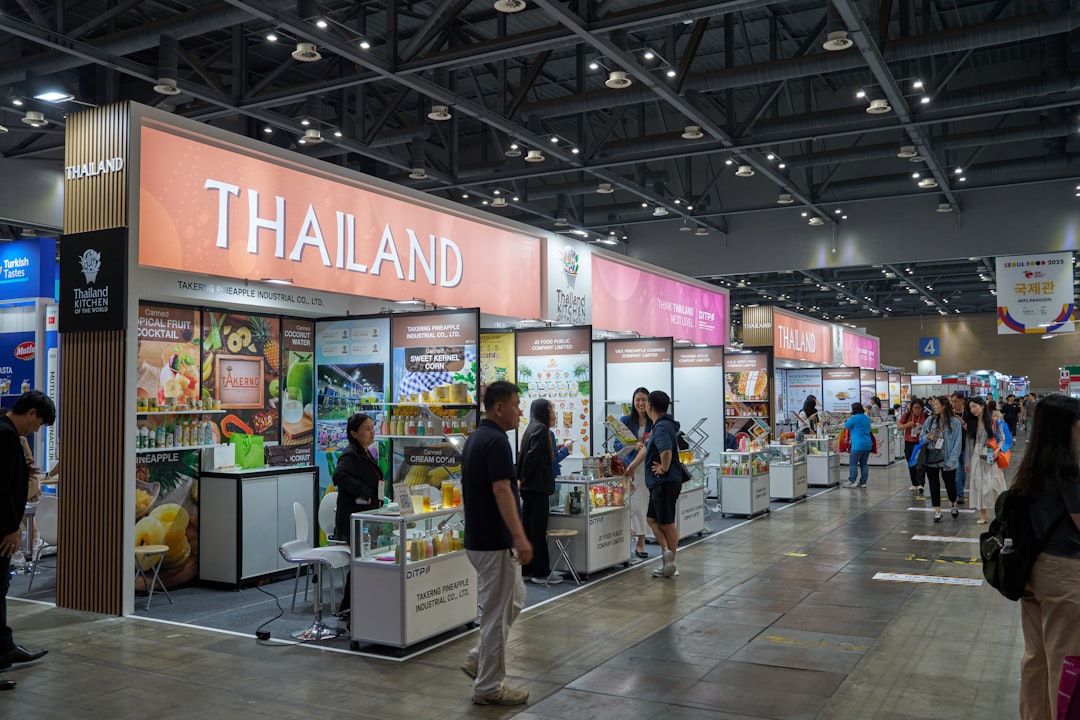
Gulf's market in 2026 faces shifts in beverage taxes, halal certifications, and retail strategies that impact global food, drink, and health brands.
The Gulf Cooperation Council (GCC) region is experiencing significant regulatory and market changes in the food, drink, and health sectors for 2026, posing both challenges and opportunities for brands worldwide. Key markets like the United Arab Emirates (UAE) and Saudi Arabia are spearheading these developments, reshaping compliance standards and consumer retail landscapes.
Updates in UAE Sugar Tax Framework
The UAE has implemented a major revamp of its sugar-tax regulations effective January 1, 2026. Under the old system, beverages containing any sugar or sweeteners were subjected to a flat 50% excise tax. This one-size-fits-all model made soda and similar products significantly costlier for consumers, while acting as a deterrent for brands importing sugary beverages.
With the new tiered taxation system, excise rates align with the actual sugar content per 100 milliliters. Most notably, beverages incorporating artificial sweeteners now qualify for a 0% tax exemption. This policy change, however, requires brands to substantiate claims through lab testing, introducing slight procedural costs. For businesses, the tax reductions bring immense opportunities, renewing retailer and distributor interest in beverages that were previously hit hard in pricing competitiveness. Products with zero or reduced sugar content are gaining footholds as shelf prices decrease, broadening consumer accessibility in the UAE market.
Confectionery Checkout Space for Healthier Options
Another regulatory shift in the UAE targets checkout areas where traditionally sugar-laden confectionery dominated. Now, retailers are promoting healthier alternatives in these zones, echoing trends already established in markets like the United Kingdom. Wellness-centered brands producing "better-for-you" snacks could see significant benefits, as the market gradually shifts to favor items with low sugar content at high-visibility checkout points. This change strengthens the positioning of small healthy snack companies vying for entry in a competitive retail environment.
Halal Certification Reform in Saudi Arabia
Over in Saudi Arabia, the focus has shifted to halal compliance. As of late 2025, any products containing animal-derived ingredients, beyond the typical scope of meat or dairy, must secure halal certification matching local standards. Unlike many other Gulf countries that handle certifications more flexibly, Saudi authorities necessitate manufacturers work through Saudi-approved certification agencies.
While these updated rules create a bottleneck for some firms already operating in Saudi Arabia, others poised for regulatory adaptability find lucrative openings in a rapidly growing market. However, producing halal-compliant products increases operational costs significantly—in registration fees, halal audits, and robust factory checks. Brands seeking expansion in Saudi Arabia need meticulously planned approaches for navigating the regulatory landscape.
Strategic Retail Insights in the UAE and Saudi Arabia
UAE Retail Maturity: The UAE has solidified itself as a competitive retail environment reflecting high saturation across most product lines. Fixed physical retail spaces mean brands and manufacturers seeking shelf space must prove their market fit convincingly. Large-scale chains scrutinize product listing proposals to ensure substantial return-on-investment. Entering the UAE requires strategies around calculated marketing investments, direct cooperation with distributors, and preparing for longer lead times in earning profit.
Distributors in the UAE, particularly larger players, demand brands commit to high visibility through ad campaigns or other promotional efforts. Manufacturers unwilling to meet aggressive investment thresholds will likely struggle to sustain long-term growth.
Saudi Flexibility and Growth: Saudi Arabia, by contrast, offers more breathing room for emerging categories, particularly in healthy snacking. Brand onboarding remains essential, though retailers display greater openness towards novel or mid-level brands compared with the UAE. Yet, brands dealing with Saudi retail must heed long payment schedules—a cultural norm for most transactions in the Kingdom—eliciting patience from those entering this competitive but nascent market.
Lessons From 2026 Trade Shows
Gulfood 2026, the key food and beverage trade show held annually in Dubai, took a hybrid approach this year with dual venues at the established World Trade Center and Expo City Dubai—formerly the Expo 2020 host site. Beverage-focused booths stood out at the World Trade Center, while national pavilions and niche exhibitors occupied the sprawling Expo City. Feedback from this year's attendees suggested pros and cons to the new setup: while Expo City's calmer layout encouraged focused interactions, some vendors lamented the drop in visitor density compared to the bustling World Trade Center.
On the health side, the WHX Dubai (formerly Arab Health) event catered to supplements, nutraceuticals, and healthcare brands at Expo City. The event garnered positive feedback for its well-organized pavilions, though logistical challenges like traffic congestion hinted at growing pains for its future editions.
Challenges and Opportunities Ahead
For brands eyeing the GCC region, adaptability to hyper-local demands remains a cornerstone strategy. Whether tackling Saudi halal-certification bottlenecks or managing marketing budgets for high-profile UAE distributors, there are hurdles to overcome. On the upside, regulatory reforms like the UAE sugar tax recalibration could attract beverage startups, while healthy snack initiatives targeting Saudi supermarkets show potential sustainability.
Timing plays a critical role in market success within the Gulf. With Ramadan and Eid marking crucial sales periods, businesses need precise scheduling to align with consumer buying patterns. Similarly, new entrants should evaluate costs, from lab tests to distributor onboarding pricing, for long-term feasibility.
The Gulf food, drink, and health brand markets are ripe with opportunity in 2026—especially for firms that meld product quality with an understanding of region-specific consumer expectations and legalities. Success requires not just compliance but foresight in adapting to upcoming shifts in this dynamic and complex marketplace.
Staff Writer
Ryan reports on fitness technology, nutrition science, and mental health.
Comments
Loading comments…


