Healthy Eating, Exercise, and Relationships: Decoding the Links to Better Well-Being
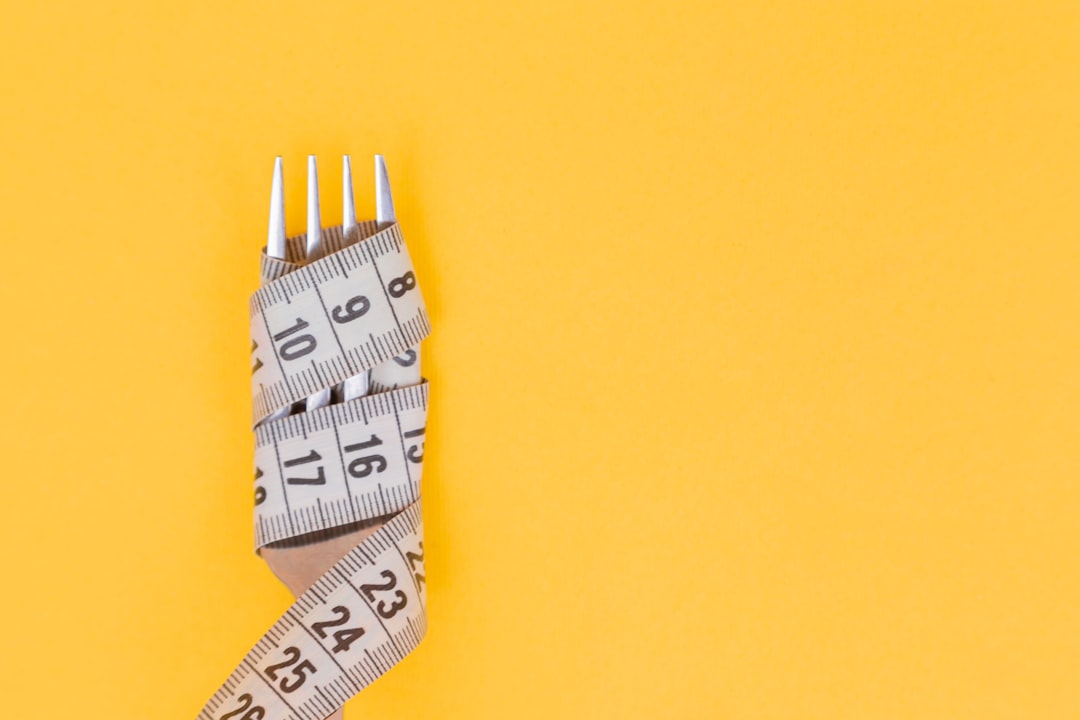
A look at how calorie-dense healthy foods, strength training, and social connections can impact overall health and disease prevention.
Healthy living often feels like a balancing act—eating well, staying active, and building positive relationships all impact your well-being, but unlocking how they work together can sometimes be confusing. In a recent discussion, Dr. Sayed Hussein of Trinity Health of New England broke down three critical yet misunderstood areas: the complexities of healthy eating and weight loss, the surprising benefits of strength training for mental health, and the nuanced links between relationships and cancer risk. Here's what you should know.
Healthy Foods and Weight Loss: The Calorie Equation
For many, the journey to better health begins with diet. The assumption? Eating "healthy" should automatically lead to weight loss. Dr. Hussein explained why this isn't always true. While foods like avocados, nuts, and olive oil are rich in healthy fats, they are also calorie-dense. This means that even if you're consuming healthier options, your overall caloric intake may still surpass what your body needs to lose weight.
A smoothie bowl filled with nutrient-dense toppings like nuts and seeds, for instance, can unknowingly pack in 700 calories per serving. If weight loss is your goal, Dr. Hussein emphasized the importance of creating a sustainable calorie deficit—typically 300 to 500 calories per day. This doesn’t mean resorting to fad diets but rather focusing on portion control and balancing meals with adequate fiber and protein. Adding exercise, whether it’s strength training, cardio, or a mix of both, can further enhance progress.
The key takeaway: moderation is essential. Enjoy your avocado toast, but understand how portions influence your overall energy balance.
Strength Training and Mental Health: A New Perspective on Depression
Exercise is commonly recommended for improving mental health, but strength training may hold unique benefits. Dr. Hussein referenced a growing body of evidence linking strength training to decreased symptoms of depression, particularly in women. A meta-analysis of 33 studies further supports the notion that lifting weights or engaging in strength-based exercises can play a role in alleviating depressive symptoms.
While cardio is often promoted for its mood-lifting and cardiovascular benefits, adding some form of strength training—whether it’s light weights, push-ups, or resistance exercises—can enhance overall mental well-being. The mechanisms behind this link are still being explored but may include decreased inflammation, improved sleep quality, and the release of mood-boosting endorphins.
The bottom line: If you’re feeling stuck in your exercise routine, consider mixing in strength training, not as a replacement for cardio but as a complementary addition to diversify your fitness strategy.
Relationships and Cancer Risk: The Influence of Lifestyle Choices
Striking a balance in your social life may also play a role in your physical health. According to Dr. Hussein, a large-scale study tracking data from 2017 to 2022 revealed some interesting patterns: while marital status alone doesn’t heavily impact the risk of certain cancers when solid screening programs are in place, lifestyle factors linked with singlehood may increase vulnerability to other types of cancer.
For example, unmarried individuals were found to have higher rates of cancers linked to behaviors like smoking, heavy drinking, and lack of preventative care. In men, single status was associated with significantly higher rates of anal cancer compared to married men. Similarly, mothers were observed to have lower risks for certain cancers like endometrial cancer, potentially due to hormonal and lifestyle factors related to pregnancy and parenting.
Dr. Hussein’s advice wasn’t to rush to the altar but to focus on maintaining regular health screenings and adopting risk-reducing behaviors like quitting smoking and moderating alcohol consumption. For single individuals, taking charge of your health by establishing strong connections with healthcare providers and staying vigilant about symptoms is particularly important.
Making Health Sustainable: A Holistic Approach
The conversation wrapped up with a simple yet powerful reminder from Dr. Hussein: many aspects of health are within your control. From diet to exercise to lifestyle choices, small and sustainable changes can make a big difference. It’s easy to feel overwhelmed by the sheer volume of health advice out there, but breaking it into actionable steps—watching portion sizes, incorporating strength training, and maintaining preventative care—creates a clearer path toward long-term well-being.
So, the next time you're blending a nutrient-packed smoothie or debating whether to hit the gym, remember that being mindful of calories and diversifying your workouts can bring you closer to your goals. And whether you're married, single, or somewhere in between, fostering healthy habits and proactively managing your health remains the gold standard for living well.
Staff Writer
Ryan reports on fitness technology, nutrition science, and mental health.
Comments
Loading comments…


