Historic rescue mission in Iran highlights U.S. military prowess
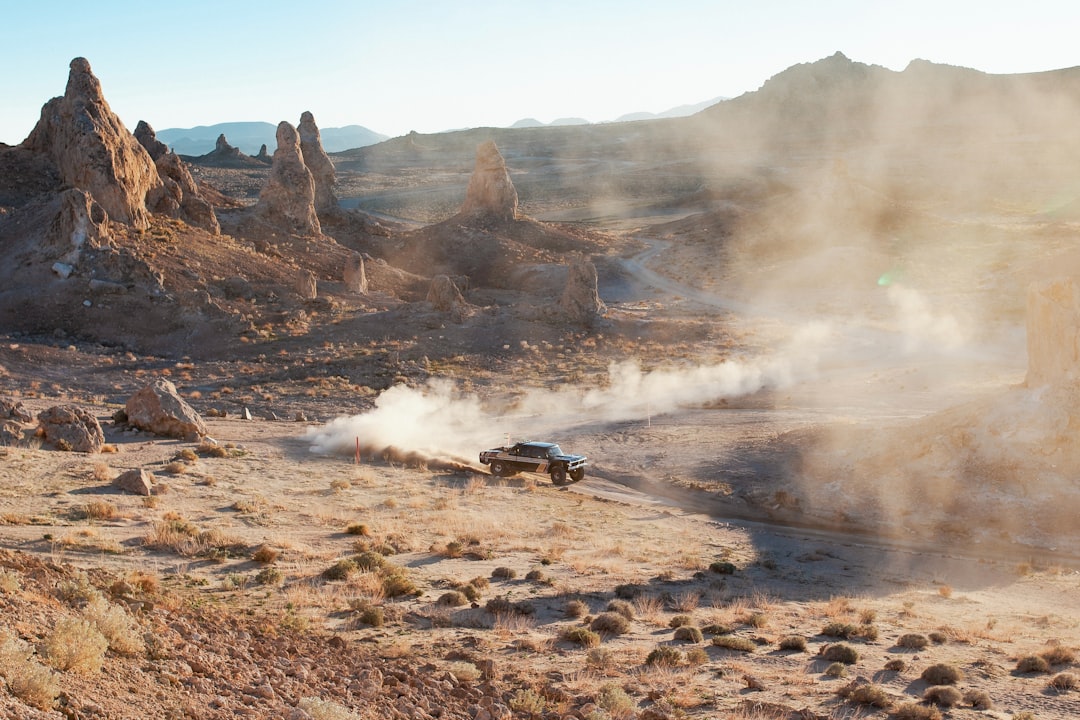
In a high-stakes operation, U.S. military forces rescued two downed aviators deep inside Iranian territory amid heavy enemy fire and global tensions.
President Trump held a press conference following what he described as one of the most complex and historic rescue missions ever attempted by the U.S. military. The mission, executed during the ongoing Operation Epic Fury, successfully rescued two American aviators deep inside hostile Iranian territory. The operation has been lauded as a historic achievement in military precision and courage.
The Downed F-15 and Immediate Decisions
Late Thursday night, a U.S. Air Force F-15 fighter jet went down over Iranian territory during a combat mission. Both crew members ejected safely but landed in separate locations amidst threats from Iranian Revolutionary Guard forces and local militias. Upon learning of the situation, President Trump was asked to make a critical decision. He authorized an immediate rescue effort despite its significant risks. "In the United States military, we leave no American behind," Trump emphatically stated.
The gravity of the situation was clear, as a rescue operation deep inside enemy lines could have led to significant casualties for the rescue teams. Nevertheless, the operation went ahead, emphasizing the United States’ longstanding commitment to its service members.
Execution of an Unparalleled Mission
The first aviator, the pilot of the F-15, was located relatively quickly by U.S. forces. He was extracted by an HH-60 Jolly Green 2 helicopter under heavy enemy fire. President Trump attributed the success of this initial phase to both the skill of the military personnel involved and the advanced military equipment at their disposal.
The second aviator—an injured weapons system officer—posed a greater challenge. His ejection had placed him miles away in mountainous terrain populated by hostile forces. Despite his injuries, the officer used his training to evade capture, scaling rough cliffs and transmitting his location via a specialized emergency beacon. At one point, the Iranian government even issued a large bounty for his capture, further complicating efforts.
The rescue of the second aviator required a much larger mobilization. The military deployed 155 aircraft, including fighters, bombers, rescue helicopters, refueling planes, and support aircraft. To mislead the Iranian military and local search parties, U.S. forces launched a deception campaign involving multiple false operations across the area. This multi-layered strategy created chaos on the ground, diverting attention away from the officer’s actual location.
Challenges and Ingenuity
The terrain at the rescue site introduced additional challenges. A makeshift airstrip comprised of wet sand threatened to bog down planes during extraction. In anticipation, the military devised a contingency plan involving smaller, faster aircraft ready to land and take off quickly. Old transport planes, loaded with equipment for the mission, were later destroyed in place to prevent sensitive technology from falling into enemy hands.
Perhaps one of the most remarkable moments of engineering and execution involved the rapid assembly of three small helicopters on-site. With time and resources limited, these helicopters were rebuilt and operational within minutes, demonstrating both exceptional planning and technical skill.
The Role of Intelligence
John Ratcliffe, head of the CIA, credited advanced intelligence capabilities with the success of the mission. Using a combination of human assets and cutting-edge surveillance technologies, the CIA pinpointed the injured officer's location and helped mislead Iranian forces. Ratcliffe described the intelligence work as “finding a needle in a haystack,” with the aviator concealed in a mountain crevice at the time of rescue.
The CIA also ran a deception campaign to confuse the enemy, buying vital time for U.S. forces to execute the rescue. However, Trump revealed that a leak about the aviator’s status placed the mission in jeopardy. The Iranian government increased its search efforts, offering rewards to citizens for the aviator's capture. This development heightened the stakes for rescuers on the ground.
Strategic and Historical Context
Operation Epic Fury, the broader campaign in which the rescue took place, has involved over 10,000 U.S. combat flights and struck more than 13,000 targets in Iran. The downing of the F-15 marked the first loss of a manned aircraft in the entire operation—a testament to the technological superiority and operational success of the U.S. military.
While Trump highlighted equipment such as helicopters and aircraft, he consistently attributed the mission’s success to the talent and bravery of military personnel. He praised the contingency planning and decision-making under pressure that allowed for such a flawless extraction.
Broader Implications
This rescue underscores the United States' military capabilities and its commitment to its personnel. The mission also serves as a message to adversaries regarding the extent to which the U.S. is willing to mobilize resources to protect its citizens and maintain its strategic objectives.
However, the operation also reveals the vulnerabilities of modern combat. The initial success of the rescue was nearly compromised by information leaks, highlighting the need for operational security. President Trump vowed to pursue the source of the leak, framing it as a matter of national security.
Looking ahead, Operation Epic Fury continues to demonstrate the might of U.S. forces in the region. The rescue mission will likely become a case study for military strategists worldwide, blending cutting-edge technology, intelligence, and the irrepressible human spirit to achieve the impossible.
Staff Writer
Lauren covers medical research, public health policy, and wellness trends.
Comments
Loading comments…


