How Insulin Resistance Impacts Visceral Fat and What You Can Do About It
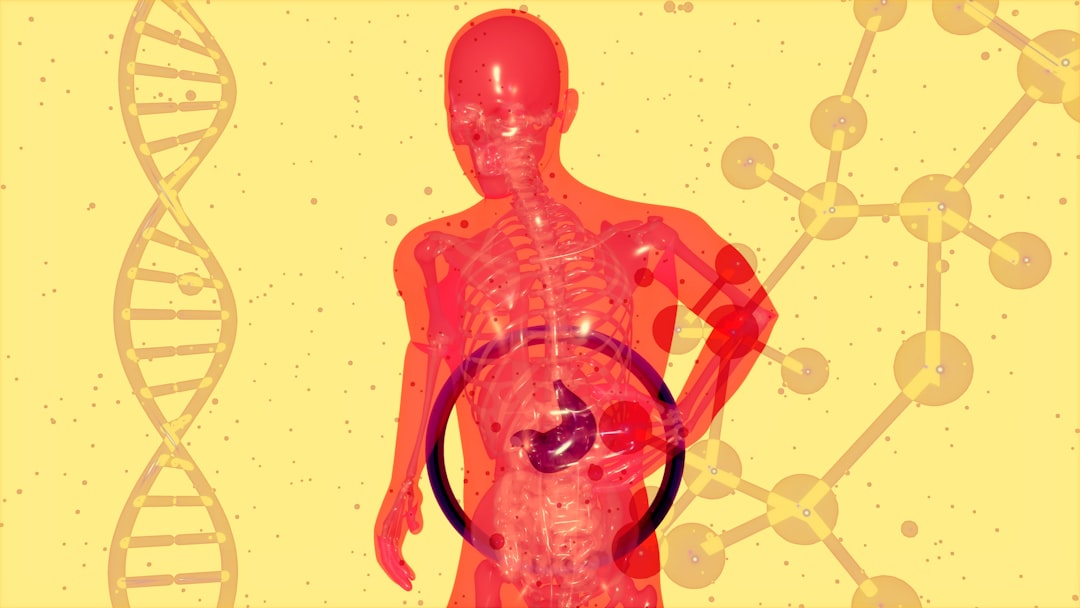
Discover how a brain-insulin connection may triple visceral fat levels and learn actionable steps to reverse the process.
The relationship between insulin resistance and visceral fat has sparked growing interest in the scientific and health communities, with new evidence suggesting that dysfunction in insulin signaling in the brain may drastically increase visceral fat levels. Visceral fat, the fat stored deep within the abdominal cavity surrounding major organs, is linked to numerous health issues, including cardiovascular disease and metabolic disorders. Recent findings shed light on how this physiological process occurs—and, most importantly, how it might be reversed.
Insulin’s Role in the Brain
Insulin is commonly associated with its role in regulating blood sugar, but its influence extends far beyond that. Insulin also plays a critical role in the central nervous system, particularly in the brain, where it supports metabolic regulation. According to studies referenced in a recent analysis, insulin influences how the brain communicates metabolic needs to the rest of the body. When insulin operates effectively, the brain signals energy balance, which facilitates healthy fat distribution.
However, when insulin signaling in the brain is disrupted, the consequences cascade throughout the body. This breakdown can disrupt energy balance, leading to visceral fat accumulation. This condition, known as insulin resistance, not only makes fat loss more challenging but also creates a feedback loop where increasing visceral fat further impairs insulin signaling.
How Visceral Fat Worsens Insulin Resistance
One of the key points from the analysis is that visceral fat itself exacerbates the very problem it causes. Excess visceral fat creates chronic low-grade inflammation, which interferes with proper insulin signaling. This creates a cycle: poor insulin function leads to fat accumulation, and accumulated visceral fat worsens insulin resistance. This cycle explains why individuals battling insulin resistance often find it especially difficult to lose weight in the abdominal area.
The Harder Path to Fat Loss
The influence of visceral fat on metabolic health manifests as a sense that fat loss feels harder for some people. Insulin resistance doesn't just interfere with energy storage; it can also impair the brain's ability to send out the 'stop eating' signal, leading to overeating and further weight gain. Coupled with a compromised ability to burn fat effectively, this explains the uphill battle people with insulin resistance face.
Steps to Reverse the Process
Despite the challenges, reversing insulin resistance and reducing visceral fat is possible. Here are some takeaways based on expert analysis:
- Nutritional Approaches: Adjusting dietary patterns to prioritize whole foods and reduce processed carbohydrates can substantially lower insulin levels. Many find success with low-carb or ketogenic diets, which aim to stabilize blood sugar and insulin sensitivity.
- Physical Activity: Exercise remains one of the most effective tools to combat insulin resistance. Both aerobic activities and weight training are beneficial for reducing visceral fat and improving metabolic health.
- Electrolyte Support: Proper hydration and electrolyte balance, as exemplified by products like LMNT Electrolytes, support overall metabolic function, especially during dietary transitions such as those associated with carb reduction.
Insight from Lived Experience
In the source material, the presenter shared personal insights on managing insulin resistance and visceral fat. Reflecting on a prior experience with this condition, the narrator emphasized actionable steps, such as dietary adjustments and consistent exercise, as pivotal strategies for overcoming insulin resistance. These insights reinforce that while the process is challenging, it is highly achievable with the right approach.
The Road Ahead
Addressing insulin resistance and visceral fat requires both awareness and action. Understanding how insulin functions in the brain—and how its dysfunction can drive fat accumulation—is a crucial first step. Fortunately, science-backed strategies can help break the cycle, allowing individuals to restore metabolic health and reduce visceral fat. For those struggling, combining scientific knowledge with sustainable lifestyle changes can pave the way to better health outcomes.
Staff Writer
Lauren covers medical research, public health policy, and wellness trends.
Comments
Loading comments…


