How Tahini Could Revolutionize Men’s Health: The Science Behind a Nutritional Powerhouse
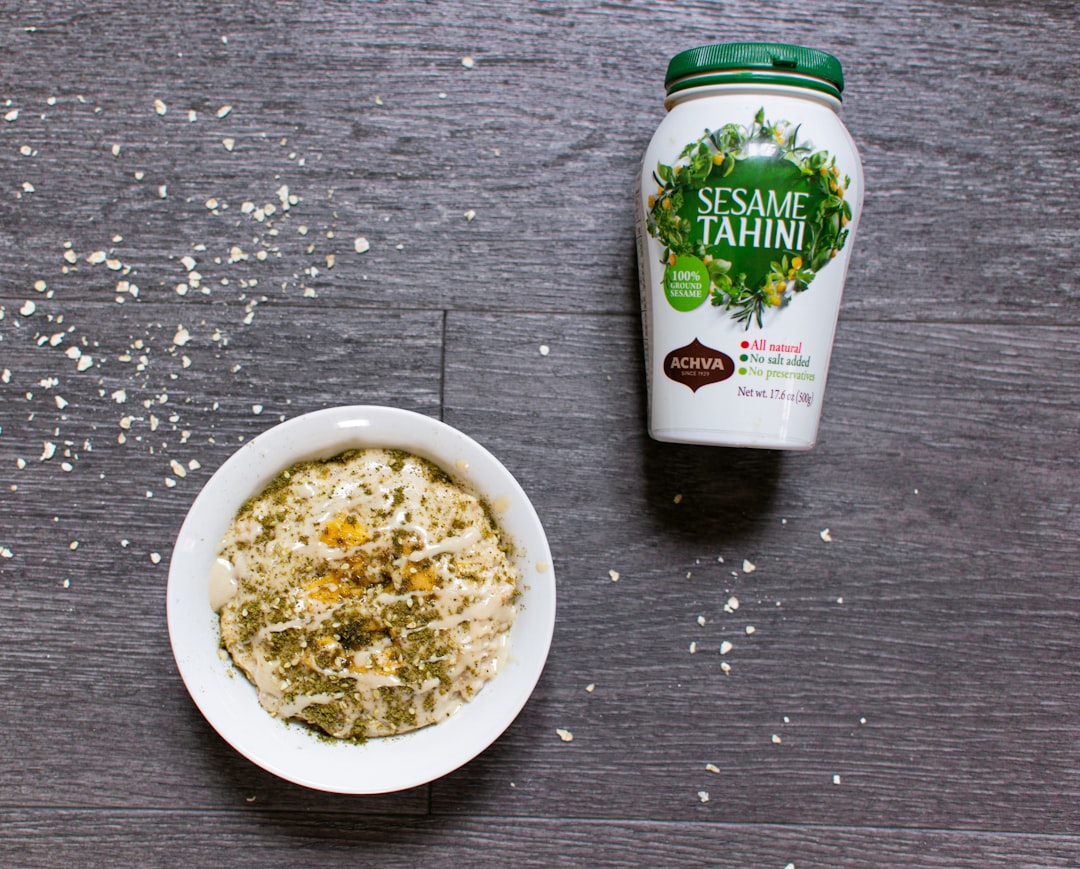
Discover how tahini, a Middle Eastern staple, can boost testosterone, lower blood glucose, and reduce cardiovascular risk by 39%.
Tahini—the creamy, mildly nutty paste made from ground sesame seeds—might just become the health superfood you never knew you needed. For men specifically, research suggests that this humble Middle Eastern staple offers compelling health benefits, from improving hormonal balance to cutting cardiovascular disease risk by nearly 40%. Here’s a detailed look at the science behind tahini’s impact on health.
Tahini and Testosterone: A Surprising Link
Testosterone levels naturally decline with age, and factors like increased body fat can accelerate this process by encouraging the production of more aromatase, an enzyme that converts testosterone into estradiol, a form of estrogen. While estradiol has its roles, an unfavorable balance can suppress testosterone’s production and effects.
Tahini contains high concentrations of sesame lignans, bioactive compounds that modulate estrogen metabolism. According to a study in the World Journal of Men’s Health conducted on male rats, sesame supplementation boosted plasma testosterone levels in a dose-dependent manner. It worked by reducing the estrogen receptor load and shifting estrogen breakdown towards more protective metabolites, thereby loosening estrogen’s inhibitory grip on testosterone production. While specific human trials on tahini and testosterone are limited, the underlying mechanism suggests potential benefits for men aiming to sustain their natural testosterone levels.
Tahini stands out because grinding sesame seeds during its production makes lignans more bioavailable than they are in whole sesame seeds. Unlike sesame seeds sprinkled onto a burger bun or mixed into a stir-fry, tahini requires no chewing to unlock its nutritional content, meaning you can reap the benefits more efficiently.
Powerful Blood Sugar Control
Among tahini’s most exciting effects lies its ability to lower blood sugar levels. Two human studies underscore this benefit. In the first, published in European Food Research and Technology, 20 healthy men consumed 50 grams of tahini. Researchers measured their blood glucose levels one, three, and four hours after consumption and found significant reductions.
The explanation? Tahini’s antioxidant compounds—particularly its phenolics—are absorbed into the bloodstream and drive down oxidative stress. These antioxidants appear to help regulate blood sugar levels, preventing large post-meal glucose spikes.
A second study published in the Journal of Atherosclerosis Prevention and Treatment took this one step further by testing tahini in individuals with type 2 diabetes. Participants ate a test meal of bread paired with either 50 grams of tahini or a control spread of margarine and cheese, matched for calorie and macronutrient content. While both meals improved vascular function, only tahini prevented the post-meal rise in systolic blood pressure. This suggests that tahini offers unique cardioprotective and glucose-regulating effects, making it a valuable dietary addition for those managing insulin resistance or diabetes.
Cardiovascular Benefits: Cutting Risk by 39%
Perhaps tahini’s most striking benefit is its role in reducing key markers of cardiovascular disease risk. In a randomized controlled trial (RCT) published in the Archives of Iranian Medicine, 41 people with diabetes were divided into two groups—one consumed 28 grams (about two tablespoons) of tahini as part of their breakfast for six weeks, while the other ate a standard breakfast. The results were profound: the tahini group experienced a 39% reduction in the atherogenic index of plasma (an indicator of cardiovascular disease risk) and a significant decrease in serum triglycerides. They also saw lowered total cholesterol levels and slight increases in HDL cholesterol (the "good" cholesterol).
These numbers aren’t just good—they’re extraordinary for a simple dietary intervention. For people at higher risk of cardiovascular disease, including those with diabetes, integrating tahini into their diet could be an accessible strategy to improve heart health.
Blood Pressure and Vascular Health
In another study focusing on blood pressure, 20 healthy individuals consumed 50 grams of tahini after a 12-hour fast. Researchers observed significant reductions in diastolic blood pressure and pulse rate, along with improved endothelial function (how well the arteries expand in response to blood flow).
These findings demonstrate that tahini works not only for populations with existing health conditions like diabetes but also for healthy individuals. Improvements in endothelial function point to its potential in preventing long-term vascular issues.
How to Add Tahini to Your Diet
Incorporating tahini is straightforward and versatile. Aim for two to three tablespoons daily. Here are some practical ideas:
- Breakfast: Spread tahini on toast or mix it into a smoothie.
- Snacks: Use it as a dip for vegetables or drizzle it over baked cauliflower.
- Dressings: Combine tahini with lemon juice, garlic, and olive oil for an easy salad dressing.
- Pairing it right: Pair tahini with gut-friendly foods like kefir or fermented vegetables to maximize sesame lignans’ conversion into active forms. Cruciferous vegetables like broccoli or cauliflower can enhance estrogen modulation, thanks to their own bioactive compounds.
When shopping for tahini, prioritize purity. High-quality tahini should list only one or two ingredients: sesame seeds and possibly sesame oil or olive oil. Avoid brands with added refined oils like canola or sunflower oil, which dilute tahini’s health benefits.
The Bigger Picture: A Nutritional Powerhouse
Tahini’s combination of hormonal support, blood sugar regulation, and cardiovascular protection makes it much more than a pantry staple—it’s a functional food supported by scientific research. Whether you’re interested in maintaining healthy testosterone levels, managing diabetes, or improving heart health, tahini provides a nutrient-rich and delicious option.
Its power lies in its simplicity. While health supplements flood the market with synthetic claims, tahini reminds us of the potential in whole, natural foods. Two tablespoons at breakfast—blended into your smoothie, stirred into yogurt, or spread over warm toast—could profoundly impact your health. It’s time to give this unassuming paste a permanent spot on your shelf.
Staff Writer
Lauren covers medical research, public health policy, and wellness trends.
Comments
Loading comments…


