How to Start Your Fitness Journey: Practical Tips and Strategies
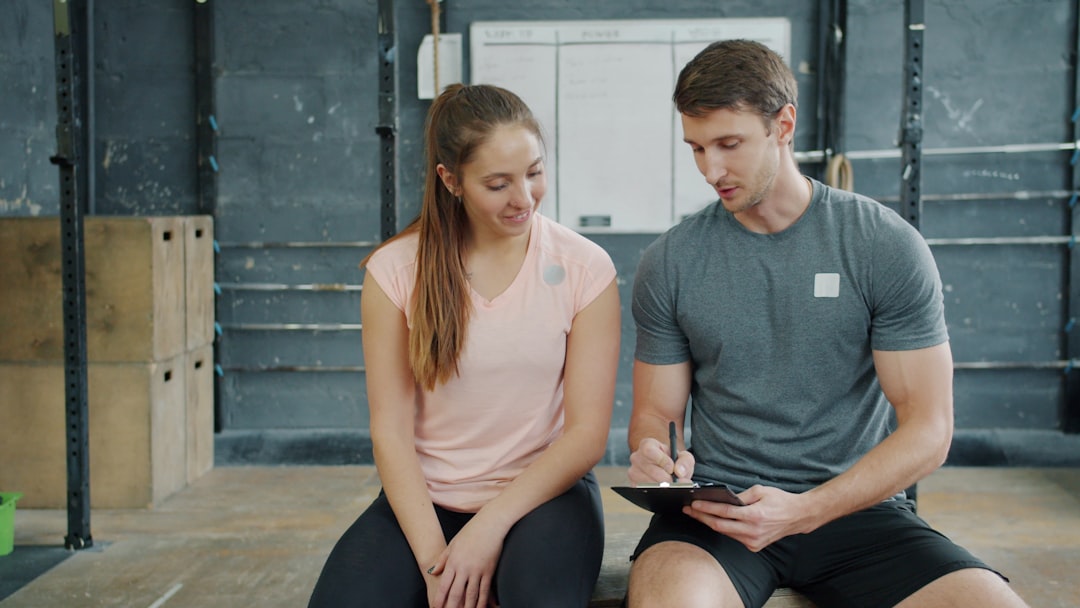
Kickstart your fitness journey with clear goals, structured routines, and sustainable habits. Learn actionable tips for workouts, nutrition, and motivation.
If you've ever decided that this is the year to finally get fit, only to fall off track again and again, you're not alone. Beginning a fitness journey can feel overwhelming, confusing, and unsustainable. But the key to lasting success isn't about quick fixes and extreme measures—it’s about building habits that fit within your personal lifestyle. Here’s a practical guide to starting your fitness journey the right way, including actionable steps, mindset tips, and sustainable strategies.
Define Your Goals Clearly
The first step in any fitness journey is to identify your goals. Are you trying to build muscle, lose fat, improve endurance, or simply feel more confident in your body? Writing down your goals can be incredibly helpful. For instance:
- Commit to strength training three times a week
- Walk at least 10,000 steps per day
- Reduce processed sugar intake from your diet
Make sure your goals are realistic, specific, and measurable. And remember, focusing on the process rather than the outcome can make a huge difference. Instead of obsessing over the numbers on a scale, focus on how you feel, the strength you're building, and the energy you're gaining. Celebrate small wins, such as completing a challenging workout or consistently hitting your hydration target.
Design a Workout Routine That Works for You
One of the common mistakes people make is choosing workout plans that don’t align with their goals—or are too intense to sustain. Tailor your workouts based on your objectives:
- For muscle building: Focus on strength training with compound movements (e.g., squats, deadlifts, bench presses).
- For fat loss: Include a mix of strength training and cardiovascular exercise.
- For general health: Commit to balanced routines, such as swimming, yoga, or walking.
A typical workout routine might look like this:
| Workout Segment | Examples of Exercises |
|---|---|
| Compound movements | Squats, deadlifts, bench presses |
| Unilateral exercises | Split squats, single-leg Romanian deadlifts |
| Isolated movements | Bicep curls, lateral raises, tricep extensions |
If you're new to exercise, focus on mastering proper form before increasing the weight. Track your progress not by how much weight you lift but by whether you’re showing up regularly and sticking to your plan.
Consistency Is Key: The best workout plan in the world won’t help if you can’t stick to it. Choose a routine you can incorporate into your schedule realistically. If that means just two or three gym days a week to start, that’s perfectly fine.
Fit Workouts Into Your Life
One of the biggest challenges people face is finding time to exercise. That's why creating a sustainable structure is crucial. Treat your workouts like meetings or appointments—block time off in your calendar and make it non-negotiable. Here’s how to make it work:
- Set realistic workout times: If you’re not a morning person, don’t force 5 a.m. workouts.
- Plan in advance: Have a designated gym plan so you’re not wandering around unsure of what to do.
- Create a pre-workout routine: Transition mentally by changing into your gym clothes or listening to an energizing playlist.
- Stay flexible but committed: Life happens, so adjust when necessary—but ensure you maintain the habit.
Simplify Nutrition for Long-Term Results
Nutrition is as important as exercise. But sorting through the overload of information on diets, macros, and calorie counting can be overwhelming. Simplify your approach:
- Keep it whole and nutrient-dense: Build your meals around proteins, healthy carbs, and fats. Some examples:
- Proteins: Chicken breast, eggs, Greek yogurt, lean beef
- Carbs: Sweet potatoes, rice, oats, fruits
- Fats: Avocado, nuts, olive oil, raw cheese
- Plan ahead: Use a "Sunday reset" day to grocery shop, meal prep, and clean your kitchen to set the tone for the week.
- Don’t overcomplicate recipes: Simple, high-protein meals that you enjoy are more sustainable than restrictive diets.
The goal isn’t to create the perfect diet but to develop eating habits that fuel your body and fit within your life.
Find Motivation in the Process
Motivation may get you started, but discipline will keep you going. On days when you don’t feel motivated, remember your “why.” Why do you want to improve your health? Why did you set these goals in the first place? On low-energy days, do smaller tasks, such as a short walk or a quick set of exercises at home. Building resilience and discipline is what will truly transform your lifestyle.
Gear Up With Confidence
While it’s not essential to have the latest activewear, investing in workout gear that makes you feel good can boost your confidence. Comfortable and flattering activewear can motivate you to head to the gym more often. Even if your budget is tight, one or two high-quality outfits can make a big difference.
Start Today, Not “Someday”
Your results won’t come overnight—what matters is how you show up daily. Skip the trap of waiting for the “perfect” time, because that doesn’t exist. Start small, and build from there. Whether it's drinking more water, taking the stairs instead of the elevator, or doing a 20-minute workout, small actions compound over time.
Your fitness journey isn’t just about what you achieve physically; it’s about becoming the best version of yourself. Approach setbacks as learning opportunities, focus on establishing habits, and remind yourself that every small step matters. Commit to showing up—even when it’s difficult—and you’ll be proud of the person you’ve become along the way.
Comments
Loading comments…


