Key Developments in U.S.-Iran Conflict: Negotiations, Military Movements, and Strategic Risks
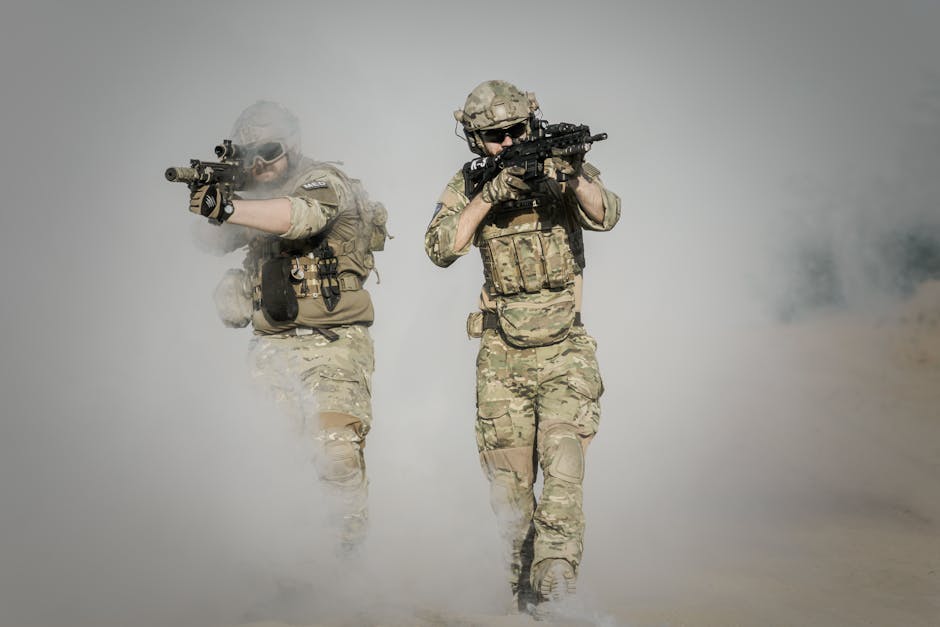
As negotiations falter, U.S. and Iranian tensions escalate with military actions and diplomacy entangled in the ongoing conflict over the Strait of Hormuz.
As the war between the United States and Iran drags on into its fourth week, tensions are mounting both diplomatically and militarily. Discussions to resolve the conflict have hit roadblocks, and the deployment of additional U.S. forces to the Middle East signals an intensifying phase in the standoff. With the Strait of Hormuz—a crucial chokepoint for global oil supplies—under Iran’s control, key stakeholders such as the U.S., Iran, and intermediaries like Pakistan are working to navigate an increasingly volatile landscape. Here is a detailed breakdown of current developments and their potential implications.
U.S. Strategy Stalls Amid Fractured Negotiations
President Trump announced an extension to a ban on bombing Iran’s power infrastructure, now set to last until April 6, 2026. This extension follows what has been described as faltering negotiations between the U.S. and Iran regarding the reopening of the Strait of Hormuz. According to U.S. Special Envoy to the Middle East Steve Witkoff, Iran has reportedly refused to meet key U.S. demands surrounding its nuclear enrichment program. The Iranian government is believed to have amassed 460 kilograms of highly enriched uranium—enough to construct multiple nuclear weapons—and its stance remains steadfast, claiming an “inalienable right” to enrichment.
President Trump has characterized Iran as being on the backfoot, stating that Iranian officials are increasingly open to dialogue. Although he claims they are “begging to make a deal,” Iranian officials, such as Foreign Minister Abbas Araghchi, have denied participating in direct negotiations with the U.S. Instead, Tehran acknowledges exchanging messages through intermediaries, including Pakistan.
Pakistan’s Role as Mediator
Pakistan has emerged as a pivotal player in de-escalation attempts. Spokespeople from the Ministry of Foreign Affairs emphasized their commitment to “actively engaging with regional actors to move toward a peaceful settlement.” However, no significant breakthroughs have been reported thus far. Tehran remains adamant in its demands, including assurances against future wars, reparations for damages, and sovereignty over the Strait of Hormuz.
Escalating Military Actions in the Middle East
As diplomacy struggles to gain traction, the battlefield dynamics continue to evolve. Iranian and allied forces carried out 230 operations targeting U.S. and Israeli positions over 24 hours, as reported by Iranian state media. Simultaneously, U.S. forces have ramped up bombing operations targeting Iran’s military capabilities. The Pentagon also announced the deployment of new troops and assets to the region, with the 1st Combat Brigade Team of the 82nd Airborne Division and the USS Tripoli amphibious warship heading to the Middle East.
Deployment Details and Capabilities
The 82nd Airborne Division is part of the Rapid Deployment Force and is trained for rapid insertion into contested areas. Marine forces aboard the USS Tripoli, alongside two Marine expeditionary units, are equipped for amphibious assaults and high-level strategic takedowns of critical locations such as ports and oil processing hubs. According to military analysts such as retired Army Colonel Joel Rayburn, these forces are likely being positioned for potential operations to seize Iranian-controlled islands near the Strait of Hormuz.
Rayburn described the tactical significance of a potential U.S. seizure of Kharg Island, a hub responsible for processing about 90% of Iran’s oil exports. Such an operation, while strategically impactful, comes with high risks. This sentiment is echoed by military expert Frederick Wehrey, who raised concerns about the potential for “mission creep” and retaliation from Iranian forces, possibly involving proxy groups.
Tehran’s Confidence
Despite sustained airstrikes, Tehran appears increasingly confident in its ability to counteract U.S. and Israeli moves. The Iranian government has publicly downplayed the effectiveness of these attacks and has issued bold warnings against potential ground invasions. Iranian military officials have hinted at possessing unforeseen measures that would extend beyond drone and missile strategies. State media claims that these countermeasures would be unleashed if a large-scale invasion occurs.
Civilian Impact and Regional Stability
The human toll of this protracted conflict cannot be overlooked. In towns like Kfar Qasim and Tel Aviv, Iranian missile strikes continue to cause widespread destruction. Families displaced by bombings and the general state of constant unrest compound the region’s growing humanitarian crisis. Meanwhile, the economic ramifications of the restricted Strait of Hormuz extend far beyond the region, affecting oil prices and global supply chains.
Strategic and Ethical Considerations
Secretary of Defense Pete Hegseth has drawn criticism for his rhetoric, which some describe as advocating for “no mercy” in the execution of U.S. military strategies. This has raised debates around the ethical implications of the campaign, particularly regarding rules of engagement and their impact on both U.S. forces and civilian populations.
Retired Lieutenant Colonel Wehrey highlighted the risks of framing the conflict through a religious or nationalist lens, warning of the potential to alienate diverse groups within the military itself. The broader questions of sustainability, long-term strategy, and legitimacy loom large as the U.S. navigates the delicate balance of force and diplomacy.
Conclusion
The U.S.-Iran war shows no signs of letting up, and the ongoing battle extends beyond military tactics to a larger contest of political leverage, national resilience, and international intervention. As the world watches developments unfold, one thing remains certain: any resolution will require not only careful negotiation but also a significant recalibration of priorities among all involved parties. Whether through continued military pressure or reluctant compromise, the stakes remain critical—for the region and for global stability.
Comments
Loading comments…


