Manitobans React to Regional and Global Unrest as Cease-Fire Announced in U.S.-Iran Conflict
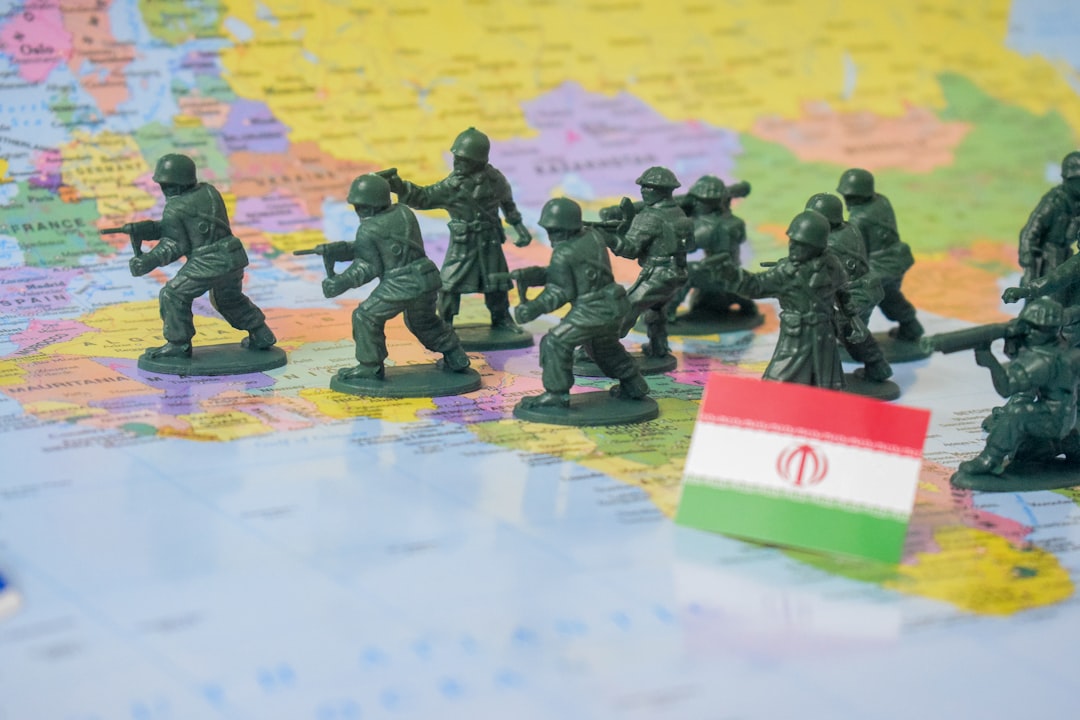
As the U.S.-Iran conflict reaches a fragile two-week cease-fire, the decision sparks concern among Iranian Manitobans and stirs debate over its broader implications.
As one of the most high-stakes geopolitical conflicts of the last decade unfolds, a temporary two-week cease-fire has been announced between the United States and Iran. U.S. President Donald Trump revealed that the agreement hinges on Iran reopening the critical Strait of Hormuz, a significant artery for global oil shipments. However, the news has elicited mixed reactions, especially from Manitobans with connections to the region.
A Fragile Pause in a Prolonged Conflict
The announcement of the cease-fire comes after weeks of escalated military aggression, with U.S. and Israeli forces targeting Iranian infrastructure. President Trump’s statement noted the U.S. demand for the immediate reopening of the Strait of Hormuz—a move that Iran has agreed to for the duration of the cease-fire. While this temporary truce may de-escalate tensions for now, many fear it is a band-aid solution to a deep-rooted, complex conflict.
Iranian media outlets report that mediators had earlier proposed a 45-day cease-fire, which was rejected by Tehran in favor of a permanent end to hostilities. However, hopes for such a resolution appear slim. For Iranian immigrants in Winnipeg and Manitoba at large, the cease-fire stirs mixed emotions; they worry the conflict will only exacerbate existing issues without addressing fundamental systemic changes in Iran.
Local Perspectives: Iranian Diaspora in Manitoba
For Iranian Manitobans, the conflict is more than a distant struggle—it is deeply personal. Many, like one anonymous man interviewed in Winnipeg, expressed apprehension over how the situation might conclude. He fled Iran over a decade ago, and while he dreams of returning, the current climate makes that prospect nearly impossible.
“Seeing my family is a dream, but right now, it feels like an impossible one,” he said. Concerns about what a temporary cease-fire might mean for Iranian civilians remain high. He fears the prospect of a post-war Iran where the existing regime stays intact—a scenario he believes will leave the country in worse shape.
Others echo similar sentiments. Another Winnipeg resident worried aloud about family members caught in the crossfire, saying, “It’s horrifying to think of what could happen next. Either the country’s infrastructure will be utterly destroyed, or we face the nightmare of nothing changing.” Advocacy groups in the region warn that even with a cease-fire, the absence of meaningful reform could render the conflict meaningless, prolonging suffering for Iranians both at home and abroad.
Refugee Challenges: Somali Asylum Seekers in Manitoba
In a related development, Somali refugees crossing into Manitoba from the United States have been facing barriers amid heightened American immigration crackdowns. According to advocates, the flow of asylum seekers has increased significantly, with over 150 arrivals during the harsh winter months. Many cite fears of persecution and economic instability as their primary motivators.
The influx is largely attributed to anti-immigration sentiment in the U.S., particularly against the Somali community, which is heavily concentrated in Minnesota. Canadian shelters, such as those run by the Salvation Army in Winnipeg, are under significant strain, with more than half of their current residents originating from Minnesota. Immigration lawyers have raised concerns about proposed Canadian legislation aimed at tightening asylum claim requirements, suggesting these measures could prevent legitimate refugees from finding safety.
Health and Housing Highlights from Winnipeg
Beyond international conflicts, Manitobans are grappling with local developments in health and housing. Health Canada recently announced that restrictions imposed on all Grifols plasma collection facilities in the country, following two patient deaths, do not apply to a Winnipeg site due to its separate licensing terms. The announcement clarified that operations at the facility on Innovation Drive would continue without new restrictions.
Meanwhile, in an effort to tackle Winnipeg’s critical housing shortage, a significant development has broken ground in St. James. A First Nation community that has long been disadvantaged despite supplying the city with drinking water is leading the $48 million, 150-unit project. With 40% of the apartments reserved for affordable housing, the initiative is a shining example of economic reconciliation, according to Winnipeg Mayor Scott Gillingham.
A Legislative Controversy
The Manitoba legislature has also caught public attention, but this time for the wrong reasons. Progressive Conservative Leader Khan allegedly made comments considered transphobic toward the nation’s first nonbinary MLA, sparking widespread condemnation. While Khan issued a conditional apology, insisting his remarks were misrepresented, the controversy highlights ongoing challenges in fostering respect and inclusivity within Canadian politics.
What’s Next for Manitobans?
Global unrest combined with local challenges creates a tangible sense of unease among many Winnipeg residents. From grappling with the implications of the temporary U.S.-Iran cease-fire to addressing the humanitarian needs of Somali refugees and resolving conflicts in the legislative assembly, Manitoba finds itself at a crossroads of international and regional issues.
The two-week cease-fire between the U.S. and Iran offers an opportunity for diplomacy, but its fragility cannot be overstated. For Iranian Manitobans and others watching from afar, the cease-fire is a small step toward peace—but one requiring careful handling to avoid sparking further instability. As Manitoba continues to welcome refugees and tackle its local challenges, its residents can only hope these efforts bring long-term solutions both locally and globally.
Staff Writer
Lauren covers medical research, public health policy, and wellness trends.
Comments
Loading comments…


