Market Volatility Amid Iran Conflict, Energy Prices, and U.S. Federal Reserve Policy Concerns
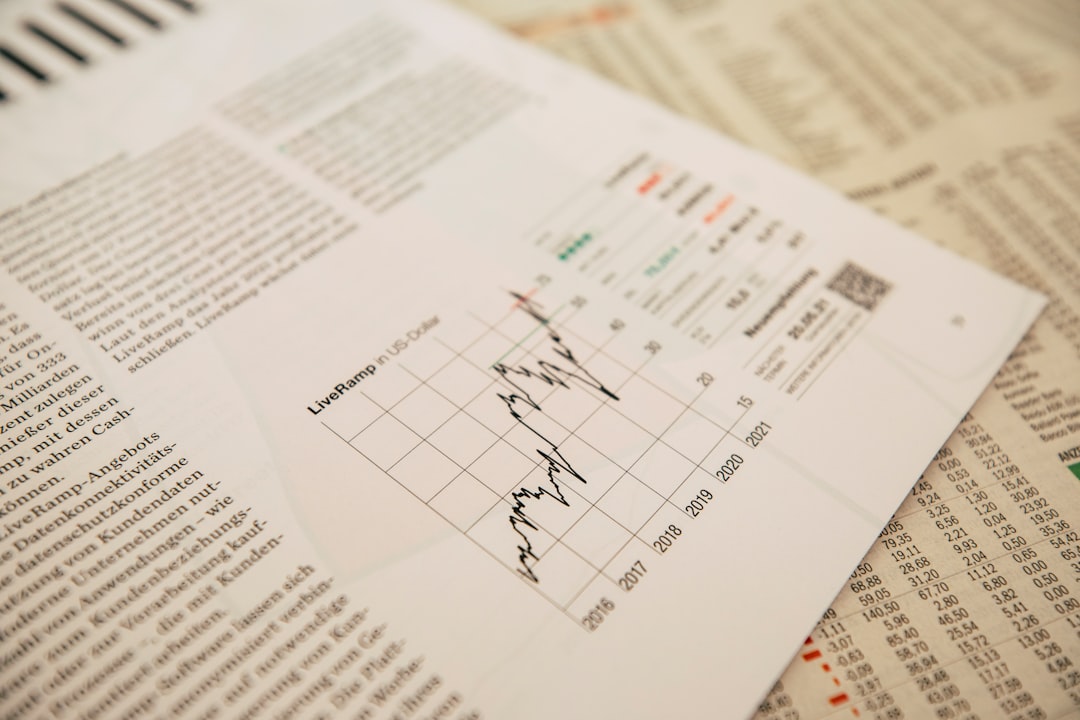
Global markets face a challenging landscape as the Iran conflict fuels energy price swings and investors weigh inflation risks, Fed policy, and AI's impact.
Global markets endured another volatile session as geopolitical tensions, energy price spikes, and uncertainty over U.S. Federal Reserve policy combined to weigh on investor sentiment. Here's a closer look at the factors impacting markets this week.
Iran Conflict Drives Crude Oil and Market Instability
The ongoing conflict in Iran remains a major overhang for global markets. President Donald Trump, addressing concerns related to the war’s trajectory, stated he was unsure if his administration’s proposed five-day ceasefire deadline would be extended. This uncertainty has contributed to significant fluctuations in crude oil prices, with Brent crude nearing $110 per barrel.
The implications of prolonged conflict are stark. Higher energy prices directly impact consumer spending and corporate profit margins, leading analysts to warn of potential further declines in the S&P 500. According to a J.P. Morgan analysis, sustained oil prices of $110 per barrel could shave up to 5% off the earnings expectations for the index by year-end.
Energy Sector Winners and Losers
While oil remains a headwind for most sectors, analysts point out that industries like energy and certain segments of materials stand to benefit. These sectors, with pricing power to pass higher costs onto consumers, may offer attractive opportunities for some investors. Conversely, consumer discretionary sectors are particularly at risk, with reduced purchasing power leading to a forecasted earnings hit of around 16% in a high-energy-cost scenario.
Tech Stocks Under Pressure
The technology sector, once seen as a relative safe haven amid geopolitical turmoil, is also facing headwinds. The Nasdaq 100 dropped 2% during trading this week, as big tech names struggled. Adding to these concerns is new research from Google indicating that emerging AI technologies might change the competitive landscape dramatically. For instance, a new algorithm promises to reduce the memory necessary to run large language models—a development that could ease pressures on industries like semiconductors but disrupt revenue streams for key chipmakers.
Companies such as Apple and Qualcomm are feeling the heat. Analysts downgraded Qualcomm's performance outlook, cutting its price target due to rising memory costs and supply chain uncertainty. The broader skepticism about AI systems, including the much-debated AI Eagle platform, reflects how transformative technologies can spark both optimism and concern across sectors.
Key Technical Levels to Watch
Analysts remain focused on technical indicators for signs of market direction. The S&P 500 recently fell below its 200-day moving average, often considered a critical level of support. This breach, coupled with stagnant trading ranges since September, adds to worries that steeper declines could be imminent. Some forecasts suggest the index could drop to 5,900 in a worst-case scenario, particularly if heightened geopolitical risks persist.
Federal Reserve Policy and Economic Balancing Act
Inflationary pressures have forced markets to reevaluate their expectations for Federal Reserve actions. Only months ago, the consensus leaned toward rate cuts in the latter part of 2026. However, traders are now beginning to price in the possibility of a rate hike instead.
The Federal Reserve faces a daunting task. They must balance political pressure from the administration to keep rates low while maintaining credibility and accountability in addressing inflation. If front-end rates continue climbing due to inflation concerns while long-term rates stall, the flattening yield curve signals a tougher economic environment ahead.
Impact on Fixed Income Markets
As 10-year Treasury yields inch closer to 4.5%, concerns over negative interaction between equities and rates intensify. Analysts note that once yield levels rise beyond this threshold, historical patterns show a strong correlation with downward pressure on stock prices.
A theoretical breach toward 5% yields could further complicate the macroeconomic landscape. A high-rate environment would reduce the growth outlook while further depressing corporate profitability and household purchasing power.
AI’s Growing Role in Health Care and Markets
Artificial intelligence continues to capture the attention of market participants, especially in sectors like health care. During the inaugural Goldman Sachs and Intermountain Ventures conference, industry leaders discussed the growing impact of AI on clinical outcomes and operational efficiency.
Applications in health care include enhancing drug discovery timelines, improving early diagnostics, and enabling personalized medicine. For example, companies developing cardiac health monitoring patches can integrate AI to provide more precise care recommendations, combining wearable technologies with predictive algorithms. However, cybersecurity and data privacy concerns remain a significant hurdle to widespread AI adoption.
Competitive Advantage Through Proprietary Data
Health care firms with proprietary access to electronic medical record data, such as those affiliated with the Epic platform, stand to gain from AI-driven efficiencies. By combing through years of anonymized surgery or treatment records, AI algorithms can help reduce training timelines for medical professionals and optimize resource allocation.
Takeaways for Investors
The combination of unpredictable geopolitical developments, volatile energy prices, and evolving technological factors presents both risks and opportunities for investors. Here’s what to watch closely in the coming weeks:
- Geopolitics: Stay updated on developments in the Iran conflict, as any resolution—or escalation—could dramatically influence energy markets and overall sentiment.
- Energy prices: Monitor crude oil levels closely. Sustained high prices may favor energy stocks while dampening broader consumer activity.
- Federal Reserve: Pay attention to speeches by central bank officials and upcoming inflation data. Shifts in rate policy are critical for broader market performance.
- AI technology: Look for breakthrough applications of artificial intelligence, particularly in health care, where adoption rates remain slow but promising.
Conclusion
Markets are navigating a perfect storm of challenges. From oil-driven inflationary pressures to Federal Reserve uncertainty to the ever-evolving role of AI, there’s no shortage of factors influencing near-term moves. While risks loom large, opportunities still exist for investors willing to dig deeper into sector-specific impacts.
The coming weeks will likely be a crucial proving ground for market stability—a task made no easier by the razor-thin balance between geopolitical tensions, inflationary data, and central bank responses.
For now, staying diversified and well-informed remains the best course of action.
Comments
Loading comments…


