Nearly Half of Protein Powders Contain Heavy Metals, Consumer Report Reveals
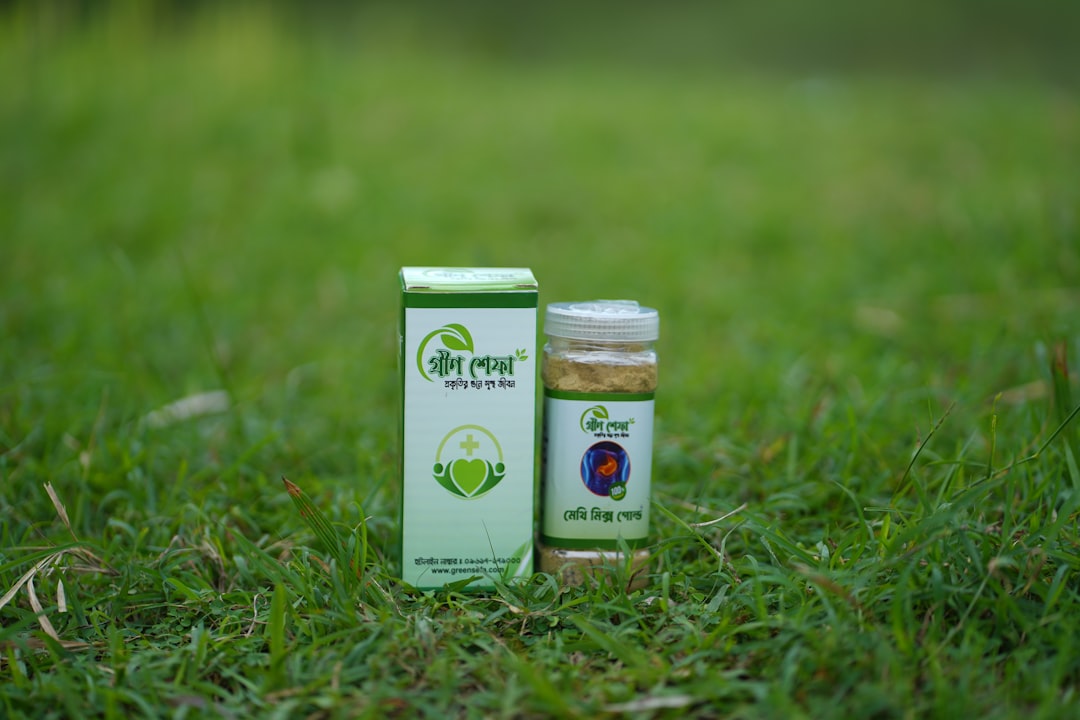
A new report finds that up to 47% of bestselling protein powders exceed California's heavy metal limits, raising health and safety concerns.
A concerning report has shed light on the purity of protein powders — an industry staple for fitness enthusiasts and health-conscious consumers. According to recent studies conducted on bestselling protein powders, an alarming 47% of these products were found to contain heavy metals, specifically lead, in quantities exceeding the legal threshold set by California's Proposition 65. This revelation raises important questions about the sourcing, manufacturing, and regulation of dietary supplements.
The Trouble with Heavy Metals in Protein Powders
The presence of heavy metals like lead in protein powder largely stems from environmental contamination. These metals often infiltrate plants through soil, which absorbs pollutants accumulated over decades of industrial activity and farming practices. Plant-based protein powders, derived from crops such as peas, soy, and other grains, appear to be particularly vulnerable to lead and cadmium contamination.
Heavy metals become further concentrated during the manufacturing process. When plant materials are processed into protein isolates or concentrates, not only is their protein content refined, but trace elements, including harmful metals, are also magnified. This means that even protein powders marketed as "organic" or "natural" aren't necessarily free from these toxic contaminants. Consumer advocates point out that consistent exposure to lead and cadmium, even in small amounts, can pose significant long-term health risks, including neurological issues, kidney damage, and more.
Proposition 65 and the Lead Controversy
California’s Proposition 65, officially the Safe Drinking Water and Toxic Enforcement Act, imposes one of the strictest thresholds for chemical exposure in the United States. Products exceeding these levels are required to carry warning labels stating their contents can cause cancer, birth defects, or other reproductive harm.
While some critics argue that Proposition 65’s thresholds are overly conservative, many experts see them as a responsible benchmark for ensuring public safety, especially given the scientifically established risks of lead exposure. "Lead is lead," remarked the report’s contributors, emphasizing the importance of minimizing its presence in any consumable product. The fact that 47% of top-selling protein powders fail to meet this basic standard highlights serious shortcomings in quality control within the supplement industry.
What About Other Contaminants?
In addition to lead, other contaminants like cadmium and pesticides also plague the protein powder market. Cadmium was found to be more prevalent in flavored powders, particularly those using dark chocolate or cacao. The sourcing of raw materials such as cacao beans was identified as critical, as improper testing regimes may allow these toxins to enter final products.
Pesticides, too, are a significant concern, especially in non-organic plant-based protein powders. While no large-scale studies have focused exclusively on pesticides in protein powders, experts suggest that plant-based blends are likely to contain more pesticide residues than those sourced from animals. Consumers of conventional plant-based protein powders may want to consider switching to certified organic products to reduce potential pesticide exposure.
Whey vs. Plant-Based: Which Is Cleaner?
Protein powders can be broadly categorized into plant-based and animal-based products, with whey protein being the most popular of the latter. The data indicates that whey and other animal-based proteins tend to fare better in heavy metal contamination testing.
One explanation for this difference lies in how heavy metals accumulate. While plants absorb metals directly from the soil, animals process their food through a biological system, which functions as a filter. This results in lower concentrations of metals in animal-sourced protein powders. Whey protein powder, derived from milk, is often seen as a "cleaner" option when compared to heavily processed plant powders.
However, there’s still a distinction between different whey products. Whey protein isolate typically contains less lactose and other impurities than concentrates, making it a better option for individuals with lactose intolerance. But some nutrition professionals argue that concentrates, which are less processed, retain beneficial bioactive components like lactoferrin that offer immune system support. Choosing between isolate and concentrate often comes down to personal tolerability, quality of sourcing, and health priorities.
Lack of Uniform Transparency
One major issue highlighted by the report is the absence of industry-wide transparency in protein powder manufacturing. Few brands publicly share detailed lab testing or disclose potential contaminants to consumers. Some progressive companies are adopting third-party certification processes, like the Clean Label Project, which provides batch-level contamination data for products. Through this initiative, brands can offer transparency by utilizing lab methods to display levels of heavy metals, pesticides, BPAs, and antibiotics found in their products.
This type of transparency, while not yet mandatory, sets a high standard for consumer trust. It stands in contrast to much of the supplement industry, where a lack of uniform regulatory oversight allows potentially harmful products to remain on shelves.
Navigating the "Wild West" of Supplements
Although dietary supplements are often criticized as being inadequately regulated, they are subject to some oversight. Supplements in the U.S. must adhere to the same food safety rules as other edible products under the Food and Drug Administration (FDA). However, they are not required to undergo pre-market testing or registration, which leaves quality control largely in the hands of manufacturers.
By contrast, regions like the European Union impose stricter standards on food supplements, requiring certain certifications before market entry. Some brands headquartered in jurisdictions like Denmark, where regulations are more rigorous, choose to meet European guidelines even when selling to American consumers. These stricter standards can result in safer products, but they also mean higher manufacturing costs.
Practical Tips for Consumers
With so much variability in product safety within the protein powder category, consumers are increasingly left to vet products themselves. Here are a few practical tips:
-
Check for Transparency: Look for brands that voluntarily disclose third-party lab testing results. Scan for reports or certifications indicating low levels of heavy metals and other toxins.
-
Prioritize Organic Products: Choose certified organic protein powders to reduce pesticide exposure.
-
Rotate Protein Sources: Regularly switch between different brands or sources of protein powder to minimize long-term buildup of any contaminants unique to specific crops or manufacturing practices.
-
Read Labels Carefully: Avoid artificial flavors and fillers, which can add unnecessary chemicals to your diet. Be cautious with "natural flavors" as well, as the term can sometimes mask the inclusion of synthetic chemicals.
-
Choose Grass-Fed or A2 Dairy: For whey protein, opt for products sourced from grass-fed, pasture-raised, or A2 dairy sources to ensure better quality and fewer allergens.
Beyond Protein Powders: The Bigger Picture
The presence of heavy metals in protein powders should also prompt us to look more critically at our broader food supply. It’s likely that other staple foods, especially grains and vegetables grown in polluted environments, harbor similarly high concentrations of contaminants. Yet these categories often evade the intense scrutiny reserved for dietary supplements.
Advocates argue that the solution lies in holding both the supplement industry and broader agricultural systems to higher standards. If companies increasingly embrace transparency and rigorous self-regulation, it could push the entire industry — and perhaps even everyday food supplies — toward cleaner, safer options.
For now, consumers can protect themselves by staying informed and supporting brands that prioritize purity, sustainability, and transparency. After all, the very products marketed to boost health should not come with hidden risks to long-term well-being.
Staff Writer
Ryan reports on fitness technology, nutrition science, and mental health.
Comments
Loading comments…


