Resolutions Address Combating Misinformation and Advancing Indigenous Rights at 2026 Liberal Convention
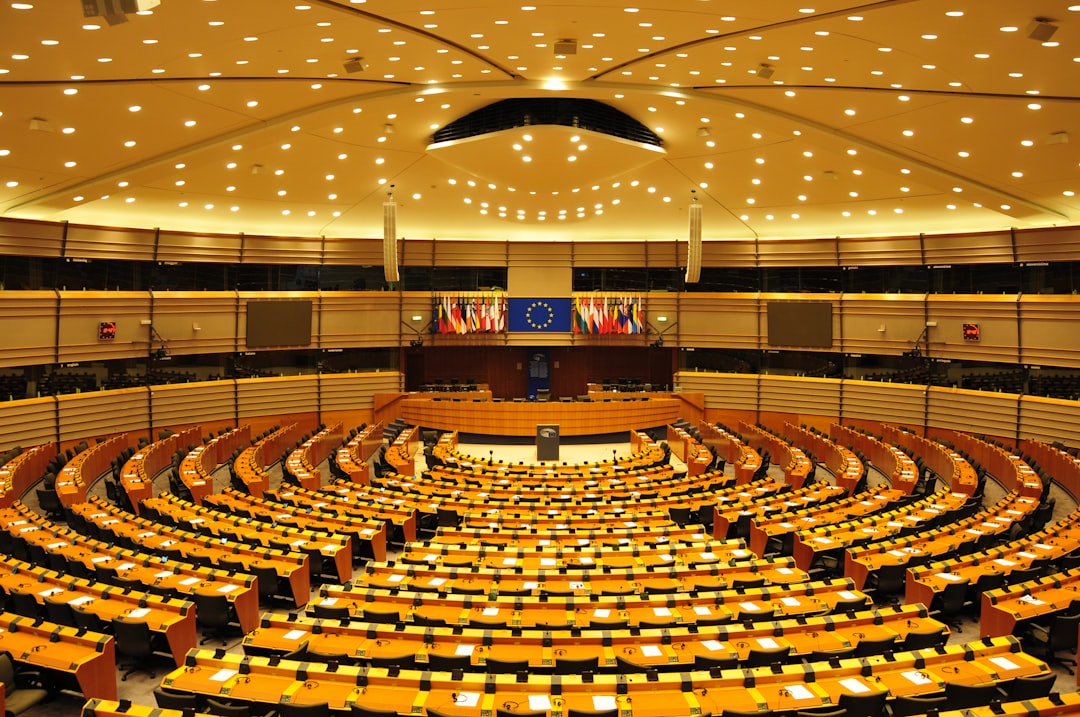
Day 3 of the 2026 Liberal Convention saw resolutions on disinformation and Indigenous reconciliation highlighted.
Day 3 of the 2026 Liberal Convention provided a platform for critical discussions surrounding two major issues: the threat posed by misinformation and disinformation, and the continued efforts to advance reconciliation with Indigenous peoples. Delegates debated and voted on resolutions aimed at shaping federal policy, demonstrating the party’s commitment to addressing some of Canada’s most pressing challenges.
Combating Misinformation and Disinformation
One of the resolutions that sparked significant discourse focused on what many delegates called a growing issue: misinformation and disinformation. Presented by Douglas Nixon, the proposal highlighted the widespread consequences of disinformation campaigns—ranging from their impact on public health to their role in undermining democratic processes.
According to Nixon, the policy resolution recommended a structured approach for the federal government to address these challenges. Specifically, the government would collect data from experts to identify the sources and methods used to disseminate harmful falsehoods, and develop actionable solutions based on this research. Importantly, Nixon also underscored that disinformation is not a singular problem requiring a single solution but a multi-faceted threat requiring a comprehensive and adaptive response.
The push for this resolution mirrored public concerns that disinformation has tangible, harmful effects on Canadian society. Nixon cited a quote from Professor Timothy Caulfield, who described misinformation as "a defining issue of our time," responsible for harming individuals and eroding trust in democracy.
During the plenary session, the resolution passed with widespread support. While no extensive debate ensued, the outcome underscored the assembly’s recognition of the urgency to act decisively on this issue.
Advancing Reconciliation with Indigenous Peoples
The final resolution discussed on Day 3 spotlighted the ongoing challenge of reconciliation with Indigenous communities. Michelle Robinson, representing Calgary East, introduced a resolution titled "Affirming the Recognition of Indigenous Rights and Advancing Reconciliation."
Robinson opened her remarks by acknowledging the traditional territory where the convention was held, paying respect to Indigenous elders, and referencing key frameworks such as the 444 recommendations of the Royal Commission and the 231 Calls to Justice from the National Inquiry into Missing and Murdered Indigenous Women and Girls. Her resolution called on the federal government to prioritize creating mechanisms that hold current and future governments accountable for reconciliation commitments.
She emphasized that Indigenous women’s organizations have faced significant funding gaps, making it harder to support vital work addressing systemic violence and inequality. To remedy this, Robinson’s resolution proposed establishing a formal commission dedicated to monitoring progress, ensuring the inclusion of Indigenous voices, and eliminating barriers perpetuated by colonization.
Delegates rallied in support of the resolution, which passed with visible backing from those present. Robinson characterized the measure as a step toward accountability and justice, benefiting both Indigenous communities and broader Canadian society.
Moving Forward
The resolutions passed on Day 3 demonstrate the Liberal Party's commitment to tackling long-standing societal issues. By addressing misinformation, the party is positioning itself as proactive in defending democracy. Meanwhile, advancing concrete measures for Indigenous reconciliation signifies a pledge to correct historical injustices.
While these resolutions show promise, their implementation will ultimately require government follow-through and public scrutiny. As both topics remain central to national discourse, the broader implications for Canadian policy and global trends in governance are significant.
Day 3 will be remembered for its focus on inclusivity and the protection of democratic principles, showcasing how grassroots political action can shape strategies for national progress.
Staff Writer
Lauren covers medical research, public health policy, and wellness trends.
Comments
Loading comments…


