The 10 Biggest Medical Advancements of 2024
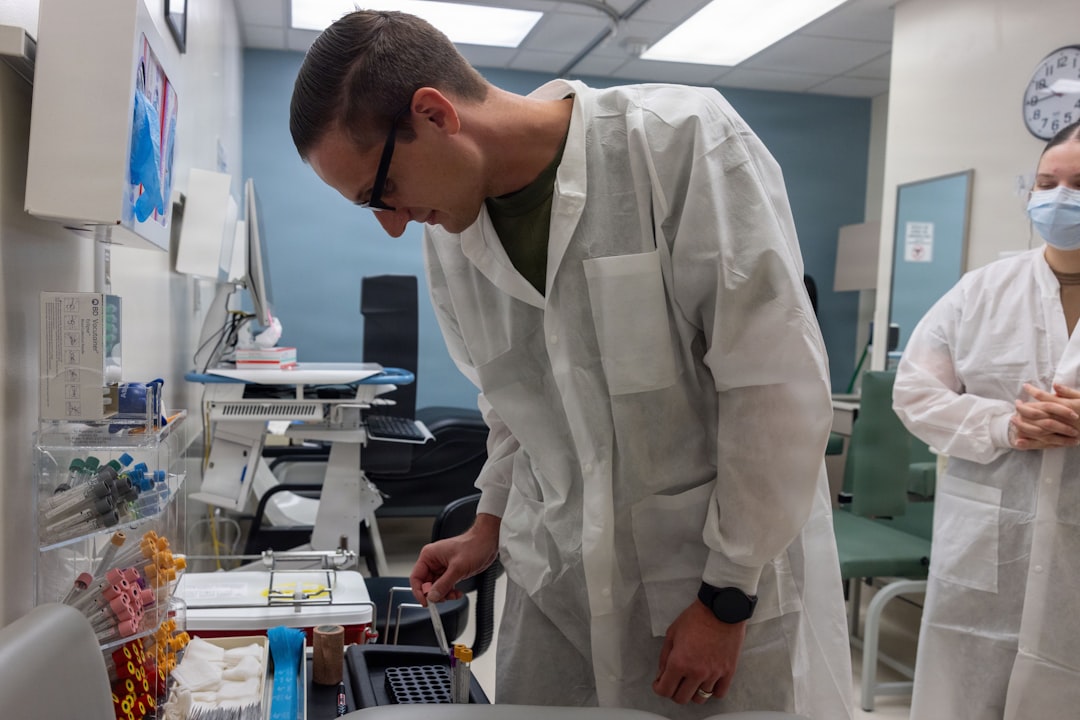
Explore the top 10 groundbreaking medical achievements of 2024, from innovative organ transplants to AI-driven antibiotics.
Medical science continues to break boundaries with new treatments, technologies, and discoveries revolutionizing healthcare. This year's biggest medical advancements range from life-saving organ transplants to AI-powered innovations that could eradicate antibiotic resistance. Here we delve into the top 10 breakthroughs of 2024 and explore their potential to transform lives.
World's first artificial heart and heart valve transplants
Two historic achievements marked milestones in heart surgery this year. First, a titanium total artificial heart was successfully implanted, keeping a man alive for eight days and providing a new option for patients with end-stage heart failure struggling with long surgery wait times. Additionally, a partial heart transplant on an infant replaced a failing heart valve with a living one that can grow with the child, eliminating the need for non-living valves and reducing high mortality risks associated with further surgeries.
Type 1 diabetes reversal and smart insulin
A groundbreaking transplant using reprogrammed stem cells successfully enabled a woman with type 1 diabetes to produce insulin independently, demonstrating a potential cure for this condition. Meanwhile, a global team developed glucose-responsive insulin (GRI), a smart insulin that activates only when blood sugar levels rise, promising more stress-free and controlled diabetes management with just one weekly injection.
| Breakthrough | What it achieved | Impact |
|---|---|---|
| Type 1 diabetes reversal | Enabled patients to produce their insulin using stem cells | Paving the way for a cure for diabetes |
| Glucose-responsive insulin | Weekly injections for real-time blood sugar management | Reduces spikes and health complications |
Robotic double-lung transplant
The Da Vinci Xi surgical robot performed the first fully robotic double-lung transplant. Tiny rib incisions allowed for organ removal and replacement with remarkable precision. This innovation minimizes trauma and recovery time for patients with severe lung diseases, marking a key development in surgical robotics.
Cervical cancer treatment improvements
Cervical cancer, the fourth most common cancer in women globally, faces a significant improvement in treatment outcomes. Researchers at University College London discovered that adding a short course of chemotherapy to the existing chemoradiation therapy reduced mortality rates by 40% and decreased recurrences by 35% over five years.
CAR-T therapy for brain cancer
In a clinical trial targeting children and young adults with diffuse midline glioma, a rare and deadly brain cancer, CAR-T therapy delivered promising results. By engineering patients’ immune cells to target the GD2 protein, this treatment helped shrink tumors in seven of eleven patients and extended life expectancy, with one participant achieving complete remission.
Injectable pacemaker breakthrough
For individuals with heart arrhythmias, traditional pacemakers require invasive surgery. This year, a temporary injectable pacemaker made from a nanotechnology-based hydrogel was developed. Administered via a syringe, it regulates the heartbeat for five days, giving patients crucial time to receive permanent treatment.
Universal blood test for 67 diseases
Scientists in the UK discovered protein biomarkers in blood that predict the risk for 67 diseases with unprecedented accuracy. Using data from 40,000 participants, this test outperformed current diagnostic methods and provided earlier detection for conditions like type 2 diabetes, Alzheimer's, and motor neuron disease.
New asthma treatment in 50 years
Asthma treatment advanced with the development of benralizumab, which neutralizes inflammation-causing white blood cells during severe attacks. Studies showed that a single injection during exacerbations reduced treatment failure rates by four times compared to steroid pills.
| Condition | Traditional Treatment | New Innovation |
|---|---|---|
| Severe asthma | Steroid tablets | Benralizumab injections |
| Diabetes | Multiple daily insulin injections | Weekly smart insulin dosage |
Advanced weight-loss drug research
With obesity on the rise, new research focused on alternatives to GLP-1 hormone-based weight-loss drugs. Researchers at the University of Copenhagen targeted the neurokinin 2 receptor in the brain with experimental drugs, achieving calorie burn without side effects like nausea, fatigue, or muscle loss. Human clinical trials are planned within two years.
AI-powered antibiotics discovery
Antibiotic resistance, driven by the misuse of existing drugs, creates superbugs that are difficult to treat. Using artificial intelligence, researchers identified over 850,000 antibiotic candidates from bacterial genomes, over 90% of which were unknown to science. Clinical trials will soon test these molecules, offering hope against resistant infections.
AI’s role was vital in significantly shortening the traditionally 10–15-year discovery timeline for new antibiotics. If successful in trials, these antibiotics could redefine the fight against superbugs worldwide.
Trauma gel for emergency care
A plant-based hemostatic gel, delivered via syringe, offers a revolutionary solution for traumatic injuries. Once injected into a wound, the gel stops severe bleeding in seconds—vital in emergencies where time is critically limited. Paramedics and military medics are expected to adopt this technology after its U.S. release later this year.
Practical takeaways
The medical advancements of 2024 have been remarkable for their innovation and impact. From AI-powered discoveries to surgical robotics, these developments set new benchmarks for improving health outcomes globally. Key takeaways include:
- Life-saving organ transplants: Robotics and living valves revolutionize transplant surgery.
- Diabetes milestones: Stem cell therapy and smart insulin offer hope for better control and potential cures.
- Cancer breakthroughs: Targeted immunotherapies drastically improve survival rates.
- AI in healthcare: Accelerating the fight against antibiotic resistance with unprecedented efficiency.
- Emergency medicine advances: Trauma gel and injectable pacemakers provide critical interventions.
Conclusion
This year’s breakthroughs highlight the power of collaboration among researchers, healthcare professionals, and innovative technologies. As these advancements continue through trials and widespread adoption, the potential benefits for patients and healthcare systems are immense.
Staff Writer
Lauren covers medical research, public health policy, and wellness trends.
Comments
Loading comments…


