The 2026 Dirty Dozen: Produce with the Highest Pesticide Residue
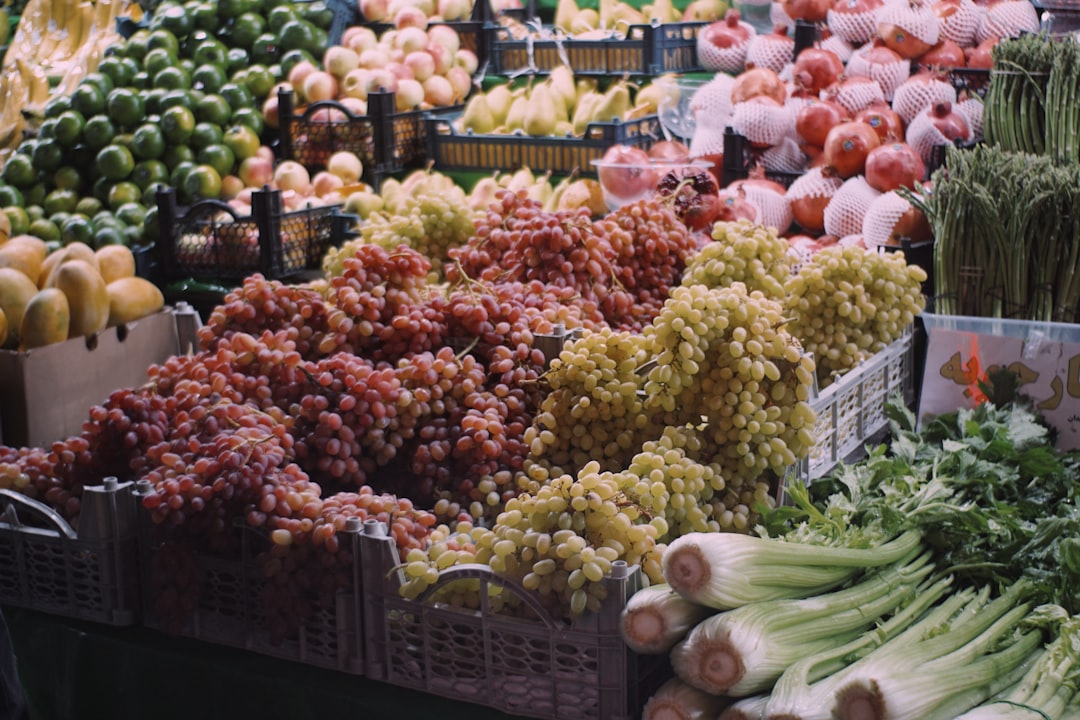
The Environmental Working Group’s 2026 Dirty Dozen list reveals the produce containing the most pesticide residue, with spinach leading the pack.
The Environmental Working Group (EWG) has released its annual Dirty Dozen list for 2026, spotlighting the fruits and vegetables that contain the highest levels of pesticide residue. This report, first introduced in 2004, serves as a guide for consumers looking to make informed choices about their produce purchases.
What is the Dirty Dozen?
The Dirty Dozen is a list curated by the EWG, ranking 12 types of produce that were found to contain the greatest concentrations of pesticide residues. These rankings are based on independent tests conducted on popular fruits and vegetables to assess the levels of pesticides that persist even after washing or peeling.
Which Produce Tops the 2026 List?
This year, spinach earned the unenviable title of the most pesticide-laden produce. According to the report, spinach contains more pesticide residue by weight than any other produce tested. The remaining items on the 2026 Dirty Dozen list include:
- Kale, collard, and mustard greens
- Strawberries
- Grapes
- Nectarines
- Peaches
- Cherries
- Apples
- Blackberries
- Pears
- Blueberries
Washing Your Produce Helps Reduce Risks
Although these items top the list for pesticide residues, it’s important to note that proper cleaning practices can mitigate some of the risks. Simply washing fruits and vegetables under running water can remove most of the pesticide residues found on their surfaces. For produce with a thicker skin, scrubbing may also offer additional protection. However, no amount of washing can fully eliminate pesticides that have been absorbed internally during the growing process.
How is the Dirty Dozen Determined?
The rankings are derived from an analysis of over 45,000 samples of produce collected by both government and independent organizations. Using data from the U.S. Department of Agriculture and the Food and Drug Administration, the EWG evaluates the presence of pesticides that remain after washing and preparing fruits and vegetables as they are typically consumed. These findings are then used to compile an updated list each year.
Why Should You Care About Pesticide Residue?
Pesticides are chemicals designed to kill or manage pests that threaten crops. While they are essential for modern farming practices, consuming pesticide residues has been linked to various health concerns. Repeated exposure to high levels of pesticides may potentially impact the nervous and endocrine systems, with children and pregnant women being particularly vulnerable. Prioritizing organic produce for items on the Dirty Dozen list can help reduce your overall pesticide exposure.
Practical Tips for Minimized Risk
Here are some actionable steps you can take to reduce pesticide exposure while still enjoying a healthy diet rich in fruits and vegetables:
- Wash your produce thoroughly: Rinse fruits and vegetables under cold running water to remove surface residues. Use a scrub brush for items with thick skins.
- Peel when necessary: Removing the skin from certain fruits and vegetables can eliminate pesticide-laden layers.
- Buy organic: If your budget allows, purchase organic versions of the Dirty Dozen produce. Organic farming reduces and eliminates synthetic pesticide usage.
- Diversify your diet: By eating a wide variety of fruits and vegetables, you can spread out your pesticide exposure rather than consuming large quantities of high-residue items.
Balancing Nutrition and Safety
While the Dirty Dozen highlights certain risks, it’s crucial to remember that fruits and vegetables remain a cornerstone of a healthy diet. The health benefits of eating these foods far outweigh the potential dangers linked to pesticide residues. Even foods with pesticide residues can be part of a balanced and nutritious meal plan when prepared thoughtfully.
The Importance of Consumer Awareness
The EWG’s Dirty Dozen report underscores the broader conversation about food safety and pesticide regulation. While efforts are ongoing to reduce harmful pesticide use in conventional farming, consumers have the power to make informed, health-conscious decisions for their families by paying attention to lists like these and opting for alternatives when needed.
Closing Thoughts
Staying informed about food safety allows you to make smarter, healthier decisions for yourself and your family. The 2026 Dirty Dozen list illustrates the importance of knowing how our food is grown and what we can do to minimize avoidable risks. Whether you're rinsing your spinach or buying organic blueberries, taking small, intentional actions can go a long way toward protecting your health while continuing to enjoy the benefits of fresh fruits and vegetables.
Staff Writer
Ryan reports on fitness technology, nutrition science, and mental health.
Comments
Loading comments…


