The Key to Unlocking Creatine's Benefits: Sodium and Proper Dosing
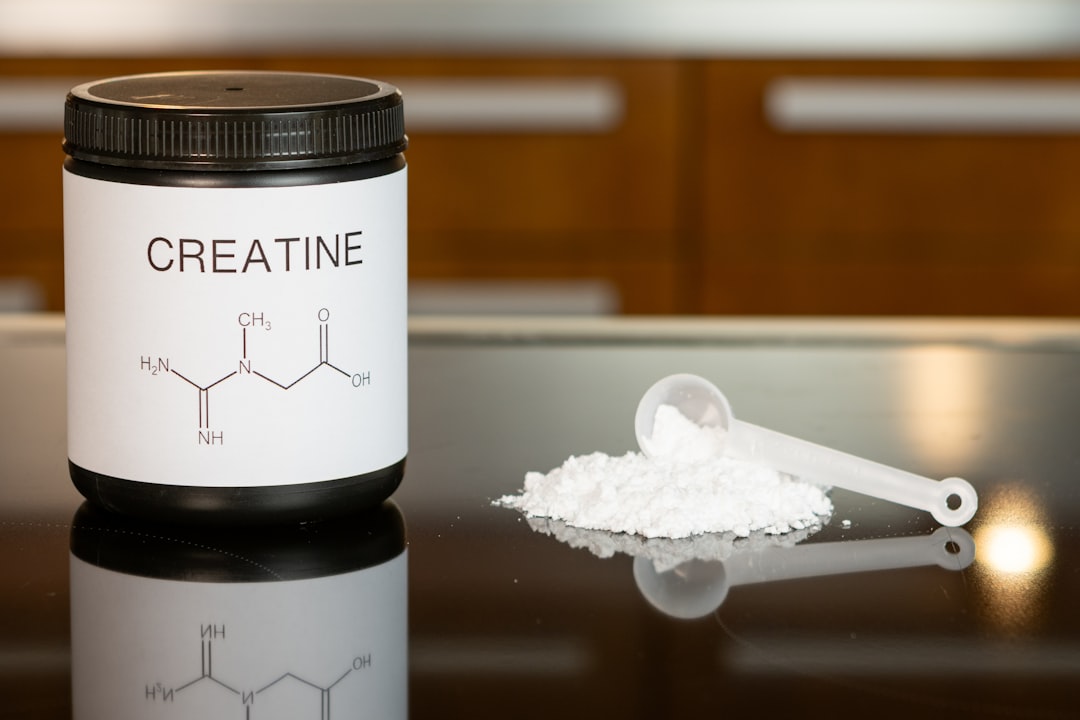
Water retention from creatine? The key to avoiding puffiness lies in sodium and proper dosing. Learn the science behind maximizing creatine's benefits.
Creatine is one of the most popular supplements for improving athletic performance and cognitive function, yet many users report an unpleasant side effect: water retention. That puffy, bloated feeling often deters people from continuing with what is otherwise a highly researched and effective supplement. But according to recent insights, the problem may not be the creatine itself, but how it's consumed. Here’s what you need to know to make creatine work for you, not against you.
Creatine's Transporter: Why Sodium Matters
One of the critical, yet often overlooked, elements to creatine’s effectiveness lies in how it gets into your muscles and brain. The SLC6A8 transporter is the primary mechanism responsible for shuttling creatine into cells where it’s needed. However, this transporter is sodium-dependent. Without sufficient sodium, creatine fails to enter the muscle and brain, remaining in extracellular spaces where it leads to water retention and ineffective absorption.
This means that pairing your creatine intake with a sodium source or electrolytes can significantly improve its uptake. To be clear, no one is suggesting you overconsume salt. Instead, a modest addition—such as a pinch of sea salt or a serving of electrolyte solution—when you take your creatine can enhance its effectiveness dramatically.
Dosage Strategies for Different Goals
Once you’ve nailed down the absorption issue with sodium, the next step is dosing. While there’s a lot of debate around creatine dosage, emerging studies provide some guidelines for different goals:
- Muscle Building & Strength: A sweet spot appears to be around 7 grams per day. For those targeting upper-body muscle growth, a short loading phase involving 10-20 grams per day for several days followed by a taper to 5 grams can yield enhanced results. Interestingly, lower-body training responds well to a consistent dose of 5-7 grams daily without requiring any loading.
- Cognitive Function & Brain Health: If you’re after creatine’s cognitive benefits, higher doses may be needed during periods of high stress or sleep deprivation. Research indicates that taking 20 grams per day for a week can restore executive function and improve mood under sleep-deprived conditions. Beyond that, maintenance doses of 7-10 grams per day may suffice for ongoing brain health.
- Fat Loss & Metabolic Health: Here, the standard 7 grams per day seems to perform well, particularly when paired with a consistent training regimen.
- Recovery & Immune Support: Recovery-focused users may benefit from larger doses, around 10 grams per day or more. Creatine’s immunomodulatory effects, including its ability to enhance ATP production in white blood cells, make it particularly appealing for this purpose.
The Role of Loading Phases
While some people prefer to bypass the loading phase and stick to a steady maintenance dose, research reinforces that there can still be value in "loading" strategies for certain goals. For example, using large doses of 15-20 grams per day for up to a week provides a rapid saturation of muscle creatine stores. After this period, a lower dose, such as 5 grams daily, can maintain these levels. However, for most purposes, skipping the loading phase and beginning with a stable daily dose also offers significant benefits.
Creatine and Recovery: Beyond Muscles
Creatine’s benefits aren’t limited to muscle or brain performance; it also appears to have broad systemic effects. Emerging studies suggest creatine’s potential as an immunomodulator, particularly through its influence on neutrophils, which are a type of white blood cell central to the body’s immune response. Creatine has been shown to increase ATP production in these cells, helping the body more effectively respond to inflammation and recover from physical demands. Higher doses (e.g., 10 grams daily or more) appear to be better suited for maximizing this particular benefit.
Debunking Concerns
Despite myths about creatine’s potential side effects—including kidney damage, liver issues, or hair loss—the overwhelming body of research suggests it is both safe and effective for most people when used responsibly. While some inexperienced users report muscle cramps, these can often be attributed to improper hydration or electrolyte imbalances rather than the creatine itself. Pairing creatine with sodium not only boosts its absorption but may also mitigate cramps and other supposed side effects.
What Form of Creatine Works Best?
Creatine monohydrate remains the gold standard. While other forms like hydrochloride or ethyl ester are periodically marketed as superior, studies show no significant difference in effectiveness. Creatine monohydrate is cost-effective, backed by extensive research, and proven to work. If water retention has been a concern in the past, try adding a pinch of sodium rather than switching to alternative and often pricier formulations.
Why Timing Matters
Whether you are targeting muscle growth, cognitive function, or recovery, timing your creatine intake with sodium or electrolytes can make a substantial difference. Combining it with meals can also enhance absorption, thanks to the added presence of dietary sodium and carbohydrates, both of which can aid cellular uptake.
Putting It All Together
Here’s the optimal strategy for tackling the common complaints and optimizing creatine supplementation:
- Add Sodium or Electrolytes: Pair your creatine with a small sodium source, such as a pinch of salt, to enhance its absorption.
- Adjust Your Dose to Your Goals: Use 7 grams per day as a starting point and modify depending on whether your focus is muscle growth, cognitive function, or recovery.
- Consider Loading if Needed: For rapid saturation, take 15-20 grams daily for a week before transitioning to a maintenance dose.
- Stick with Monohydrate: Creatine monohydrate remains the most effective and well-studied option—there’s no need to splurge on newer forms.
- Hydrate Wisely: Ensure adequate water intake, especially if you are spiking salt consumption to enhance creatine uptake.
Creatine is an incredibly versatile and safe supplement, with benefits ranging from improved muscle and cognitive performance to recovery support. If you’ve been put off by water retention in the past, the simple addition of sodium or electrolytes can make a world of difference. By adopting the right dosing and pairing techniques, you can unlock creatine’s full potential and tailor its use to your specific goals.
Staff Writer
Lauren covers medical research, public health policy, and wellness trends.
Comments
Loading comments…


