The Most Significant Medical Advances That Changed Healthcare
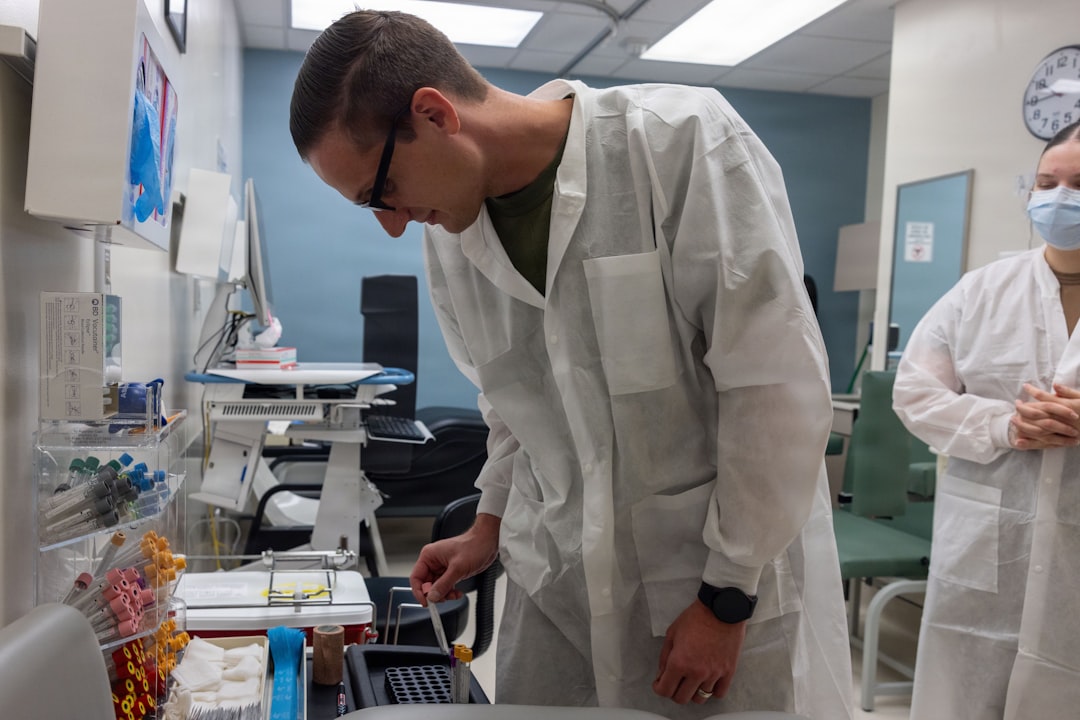
Explore pivotal medical breakthroughs, from anesthesia to gene therapy, that have transformed healthcare and saved millions of lives.
Medical advancements have continually redefined the boundaries of healthcare, transforming once-deadly illnesses into manageable conditions and improving the quality of life for millions. From the advent of vaccines to revolutionary imaging technology, these breakthroughs have built the foundation of modern medicine. Below, we explore some of the most pivotal developments in healthcare history.
The Birth of Anesthesia
Imagine undergoing surgery with just a bottle of alcohol and a leather belt for comfort. This was the grim reality for patients in the early 19th century. However, the introduction of anesthesia in the 1840s marked a turning point. William Morton, a Boston dentist, successfully demonstrated the use of ether as an anesthetic during a tumor-removal surgery in 1846. Patients could now undergo complex procedures without the agony of pain, a discovery that revolutionized surgical techniques and made procedures much safer.
Vaccines: Smallpox and Polio
Smallpox Vaccine
Smallpox was one of the most devastating diseases in human history, killing hundreds of millions and leaving survivors with severe scars or blindness. In 1796, Edward Jenner developed the first smallpox vaccine by using material from cowpox blisters. Jenner's method proved effective, eventually leading to the global eradication of smallpox in 1980. This milestone showcased the power of vaccines in combating infectious diseases.
Polio Vaccine
Polio, a terrifying disease that caused paralysis and respiratory failure, was a significant health challenge in the early 20th century. Jonas Salk’s creation of the polio vaccine in 1952 changed the game. Over two million children participated in trials, and the vaccine proved effective in nearly eradicating polio in the United States. Salk's decision not to patent the vaccine ensured its widespread distribution, saving countless lives worldwide.
Germ Theory: Hygiene’s Role in Health
Before germs were understood, people attributed illness to "bad air" or other erroneous theories. The groundbreaking work of Ignaz Semmelweis and Louis Pasteur revolutionized public health. Semmelweis discovered that handwashing significantly reduced infections during childbirth, though he faced intense ridicule at the time. Pasteur’s studies later confirmed that microorganisms caused infections, laying the groundwork for modern antiseptic practices and food safety standards.
Imaging Breakthroughs: X-rays and MRI
X-rays
In 1895, Wilhelm Röntgen discovered X-rays while experimenting with cathode ray tubes. He found that these rays could pass through the body, producing images of bones and other internal structures. X-rays provided doctors with an unprecedented tool to diagnose fractures, tumors, and foreign objects inside the body without invasive surgery.
MRI
Magnetic resonance imaging (MRI) took diagnostic imaging to the next level. Unlike X-rays, MRIs use magnetic fields and radio waves to produce detailed cross-sectional images of soft tissues, such as the brain and spinal cord. This innovation allows doctors to identify abnormalities with unmatched clarity and has been critical for diagnosing complex conditions like brain tumors and spinal injuries.
Antiseptics: Preventing Post-Surgical Infections
Before the adoption of antiseptic techniques, hospitals were breeding grounds for infections. In the 1800s, Joseph Lister introduced the use of carbolic acid to sterilize surgical tools and clean wounds. His methods dramatically reduced post-surgical infection rates and set new hygiene standards in medical facilities. This advancement transformed hospitals into places of healing rather than centers of cross-contamination.
Organ Transplantation: Giving Life a Second Chance
For patients with failing organs, the idea of replacement once seemed impossible. Advances in surgical techniques and anti-rejection drugs eventually made organ transplantation feasible. Today, transplants of hearts, livers, kidneys, and more save thousands of lives annually. Doctors have also developed ways to preserve organs for longer periods, increasing the success rates of these life-saving procedures.
DNA Sequencing: Unlocking Life’s Blueprint
The discovery of DNA sequencing was like deciphering the instruction manual for life. By identifying the order of DNA’s chemical bases (A, C, G, and T), scientists uncovered the genetic code responsible for the biology of all organisms. While early sequencing efforts were slow and labor-intensive, modern techniques have accelerated the process, paving the way for personalized medicine, genetic disorder research, and advancements in cancer treatment.
Cancer Treatment: Advances in Chemotherapy
Cancer arises from uncontrolled cell division, and chemotherapy emerged as a means to target these rapidly dividing cells. While effective, early chemotherapy treatments also harmed healthy cells, leading to severe side effects. Today, researchers have refined chemotherapy drugs to target cancerous cells more precisely, improving outcomes and reducing collateral damage to healthy tissues.
Gene Therapy: Fixing the Blueprint
Gene therapy offers a revolutionary way to treat genetic disorders by addressing their root cause. By introducing functional genes into a patient’s cells, doctors can correct defective genetic instructions. For conditions like cystic fibrosis, hemophilia, and some cancers, gene therapy provides hope for long-term solutions rather than symptom management. Techniques include using viruses as delivery systems to "smuggle" healthy genes into targeted cells.
Practical Takeaways
- Anesthesia made pain-free surgeries possible, saving countless lives and improving patient outcomes.
- Vaccines for smallpox and polio have either eradicated or nearly eliminated these diseases globally.
- Germ theory and antiseptic practices emphasized the importance of hygiene in preventing infections.
- Medical imaging like X-rays and MRIs has made diagnosis faster and more accurate.
- DNA sequencing and gene therapy hold the potential to cure genetic disorders and optimize treatments for diseases like cancer.
Conclusion
The history of medical breakthroughs reveals humanity's relentless pursuit of solutions to life's biggest health challenges. Innovations like anesthesia, vaccines, and gene therapy didn't just improve healthcare—they transformed it entirely. These advancements underscore the importance of continuous research, collaboration, and a commitment to making healthcare accessible to all.
Staff Writer
Ryan reports on fitness technology, nutrition science, and mental health.
Comments
Loading comments…


