Top 5 Health Breakthroughs of 2025 Transforming Medicine
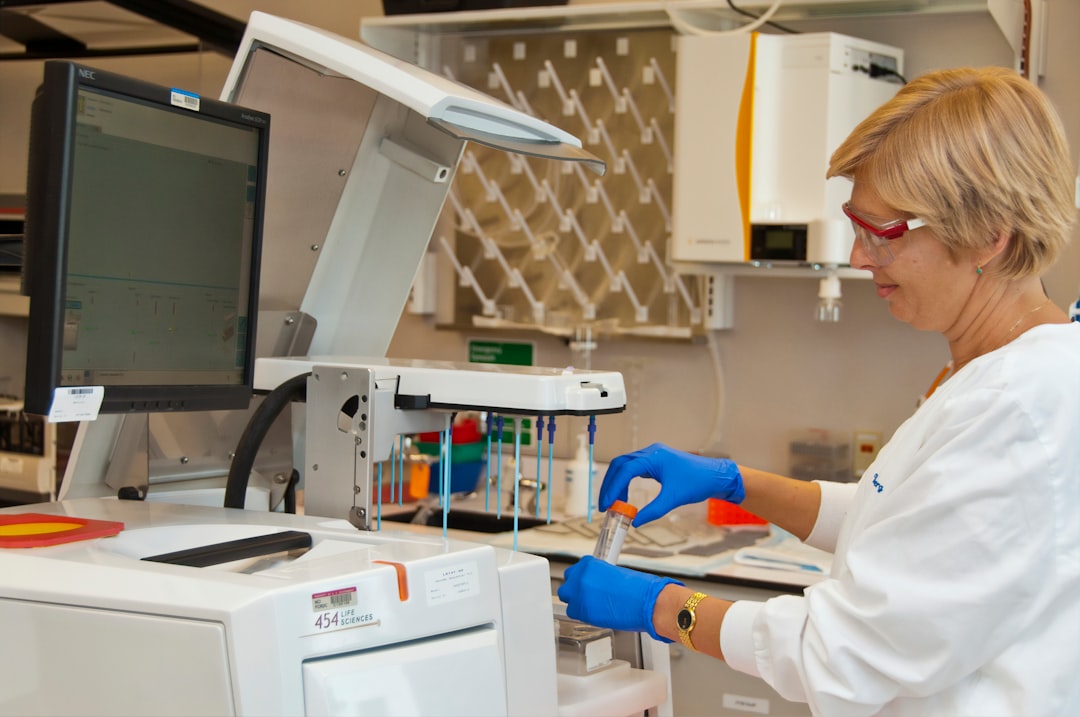
Discover the top five medical breakthroughs of 2025, from AI cancer detection to genomically personalized vaccines, reshaping the future of healthcare.
In 2025, the field of medical science achieved several groundbreaking advancements that promise to reshape healthcare. From cutting-edge AI diagnostics to genomically personalized vaccines, these discoveries prioritize predicting, preventing, and reprogramming biological processes rather than merely managing disease symptoms. Let’s delve into the top five health breakthroughs that are making waves this year, all supported by peer-reviewed research from leading institutions.
1. Time-restricted eating optimizes metabolic health
Research led by Harvard Medical School and published in the New England Journal of Medicine highlighted the profound benefits of time-restricted eating. Unlike traditional dieting approaches that focus on calorie reduction, this method aligns food consumption with the body’s circadian rhythms. By limiting eating to an 8-10 hour window each day, participants in multiple trials showed improved insulin sensitivity, reduced liver fat, and lower levels of chronic inflammation.
Why it matters:
- Improved insulin signaling: Aligning eating habits with circadian biology enhances metabolic efficiency.
- Reduced mitochondrial stress: Shorter eating windows allow cells to focus on repair processes.
- Inflammation reduction: Chronic inflammation, a driver of many metabolic diseases, decreases significantly.
This research positions time-restricted eating as one of the most effective non-drug interventions for tackling metabolic diseases like diabetes.
2. Senolytics clear aging cells to improve health span
A study published in Nature Aging by the National Institutes of Health introduced senolytics as a major breakthrough in longevity science. By targeting senescent cells—damaged cells that no longer divide but emit inflammatory signals—scientists demonstrated dramatic health benefits in human trials.
Key outcomes:
- Enhanced vascular function and muscle strength: Removing aging cells improved overall tissue health.
- Reduced systemic inflammation: This alleviated a major contributor to age-related diseases.
- Improved mitochondrial performance: Cellular energy production became more efficient.
This marks the first strong evidence that aging itself can be slowed by addressing its root causes, rather than only managing symptoms of age-related diseases like osteoporosis or arthritis.
3. AI detects cancer years before symptoms
Thanks to researchers at Stanford and MIT, a study published in The Lancet Digital Health revealed how artificial intelligence could change the landscape of cancer diagnostics. Using AI algorithms to analyze routine blood tests, researchers identified molecular patterns linked to early-stage cancers, often years ahead of traditional methods.
What’s revolutionary:
- Pattern recognition across thousands of variables: The AI system evaluates complex molecular signatures no human could manually analyze.
- Proactive healthcare: By detecting cancer earlier, treatments can begin long before the disease becomes life-threatening.
This advancement marks a shift from reactive treatment to preventive care, potentially saving millions of lives annually.
4. Gut microbiome predicts brain aging
A collaborative study by University College London and the NIH, published in Cell, has highlighted the close connection between gut health and brain aging. Researchers found that specific gut bacteria and metabolites significantly predict cognitive decline, dementia risk, and neuroinflammation.
Critical findings:
- Gut molecules impact brain health: Certain microbial metabolites influence neurotransmitter balance and inflammation.
- Microbiome-based interventions: These could serve as preventive strategies for conditions like Alzheimer’s disease.
This research emphasizes that brain health is not isolated to the central nervous system but is deeply interconnected with gut health via the gut-brain axis.
5. Genomically personalized vaccines revolutionize immunity
In a groundbreaking study led by researchers at Oxford University and the World Health Organization, scientists developed vaccines tailored to individual genetic profiles. Published in Nature Medicine, the study matched vaccine designs to patients’ unique HLA genotypes—key markers in immune response.
Notable advancements:
- Stronger antibody responses: The vaccines provoked more robust protective responses against diseases.
- Fewer side effects: Designed for individual biology, these vaccines minimize adverse effects.
- Longer-lasting immunity: Tailored vaccines promise improved long-term protection.
This research signifies the beginning of precision immunology, moving away from one-size-fits-all vaccines to personalized solutions for future pandemics and diseases.
Practical takeaways from 2025 breakthroughs
These five medical advancements highlight the profound shift happening in medicine:
- Predictive diagnostics: AI cancer detection emphasizes catching diseases before symptoms appear.
- Preventative strategies: Time-restricted eating and microbiome research focus on preventing diseases by optimizing bodily processes.
- Targeted interventions: Senolytics and personalized vaccines address the root cause of aging and immune inefficiency.
Comparison: 2025 breakthroughs at a glance
| Breakthrough | Research Institution | Key Outcome |
|---|---|---|
| Time-restricted eating | Harvard Medical School | Improved metabolism, reduced inflammation |
| Senolytics | National Institutes of Health | Slowed aging, enhanced tissue health |
| AI cancer detection | Stanford, MIT | Early diagnosis, proactive treatment |
| Gut-brain connection | UCL, NIH | Microbiome-based cognitive health |
| Personalized vaccines | Oxford, WHO | Tailored immunity, reduced side effects |
Conclusion
The breakthroughs of 2025 signify a pivotal moment in healthcare, shifting the focus from treating symptoms to predicting, preventing, and personalizing interventions. Advances like time-restricted eating, senolytics, AI cancer diagnostics, microbiome health, and genomically personalized vaccines are not merely academic—they are practical tools that will influence health outcomes globally. The future of medicine lies in leveraging these discoveries to create smarter, more efficient healthcare systems that prioritize individual well-being over generalized approaches.
Comments
Loading comments…


