Top Medical Breakthroughs of 2025: From Gene Editing to Robotic Surgery
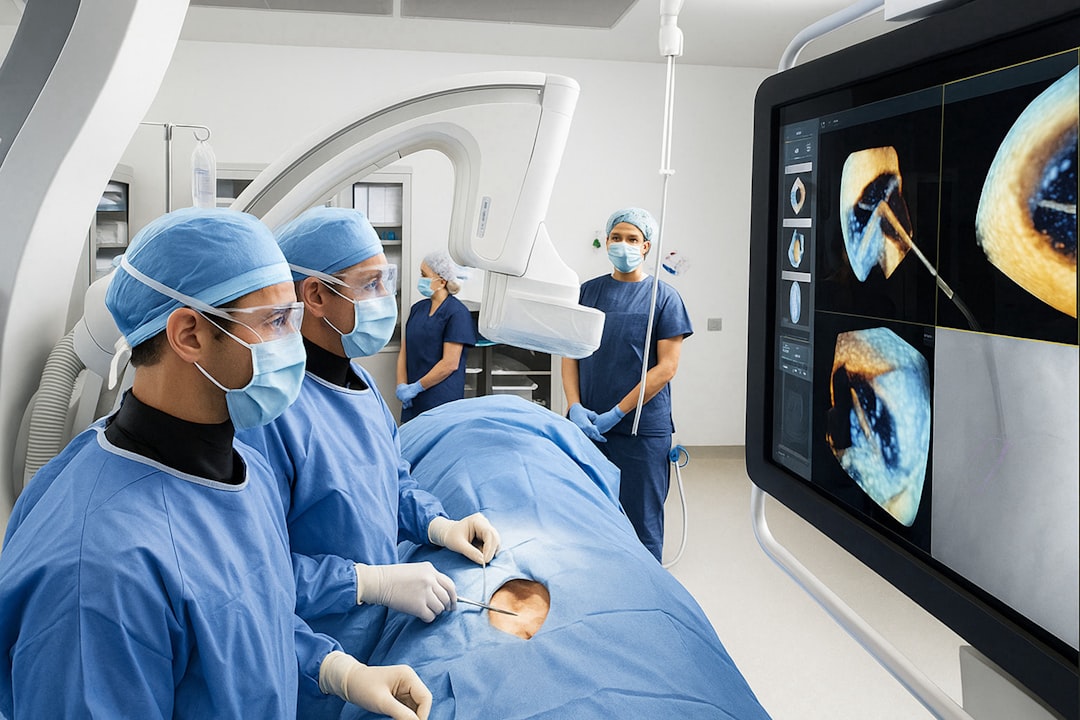
Key advances in 2025 include gene editing for rare diseases, non-opioid painkillers, robotic telesurgery, Alzheimer's diagnostics, and more.
Advancements in healthcare have reached new heights in 2025, delivering innovative solutions to complex medical challenges. From revolutionary gene editing techniques to robotic telesurgeries performed across continents, this year’s medical breakthroughs are poised to transform patient care and treatment options for millions.
Gene Editing: A Lifesaving Therapy for Rare Diseases
For the first time, CRISPR and base editor technology have been used in treating a rare genetic disorder called CPS-1 deficiency. This condition, which affects ammonia regulation in the blood, frequently proves fatal within the first week of life. Doctors at the Children's Hospital of Philadelphia applied this groundbreaking gene-editing method on KJ Moldun, a nine-month-old infant, correcting his DNA error and giving him a second chance at life. This bespoke treatment offers hope to individuals affected by over 7,000 rare genetic conditions, including cystic fibrosis and Huntington's disease. Such precision medicine is set to redefine conventional approaches to genetic disorders.
Non-Opioid Pain Relief: A Step Forward in Combating Addiction
The opioid epidemic has necessitated alternatives to traditional pain relief medications. In 2025, the FDA approved the first non-opioid painkiller designed for moderate to severe acute pain in 25 years. Unlike opioids, this new drug lacks addictive properties, offering a safer alternative for patients in need of pain management. This approval is a direct response to the growing need for treatments that reduce risk for addiction and substance use disorders.
Robotic Telesurgery: Pioneering Remote Medical Procedures
Robotic telesurgery experienced a breakthrough with the first FDA-approved human trial taking place this year. A surgeon in Orlando, Florida, successfully removed prostate cancer from a patient located nearly 7,000 miles away in Angola. Using a multi-million dollar robotics system with haptic feedback and three-dimensional imaging, the procedure matched the precision and efficiency of a standard in-person operation. This milestone demonstrates the potential of remote surgeries in addressing global healthcare disparities, allowing skilled surgeons to assist patients in under-resourced regions.
Alzheimer's Blood Test: A Diagnostic Game-Changer
The early detection of Alzheimer's disease has taken a significant leap forward with the FDA's clearance of a simple blood test. This diagnostic tool provides a more accurate way to differentiate between Alzheimer’s and other forms of dementia. It also establishes a foundation for monitoring the effectiveness of future treatments. As Alzheimer's cases continue to rise, this test represents a critical development in improving patient outcomes and advancing treatment strategies.
Xenotransplants: Animal Organs for Human Transplantation
The organ donor shortage remains one of the gravest crises in global healthcare, with only 3% of transplant candidates receiving the organs they need each year. Xenotransplantation, the transplant of organs from other species, is showing significant progress. Scientists are refining techniques to reduce immune system rejection of pig organs. Experts predict that within five years, xenotransplants could become commonplace, saving thousands of lives annually.
Brain-Computer Interfaces: New Hope for Neurological Impairments
The concept of Brain-Computer Interfaces (BCIs) is no longer science fiction. These devices, which translate brain signals into external actions, are already enabling patients with neurological impairments to control devices such as phones and virtual reality goggles. Fueled by advancements in artificial intelligence, BCIs are expected to become more accessible and effective, further bridging the gap between neurological disorders and functional independence.
Pharmaceutical Innovations for Sleep Apnea
In another promising development, a pill for sleep apnea is showing positive results in clinical trials. Current treatments for this common condition, such as CPAP machines, can be invasive and difficult to maintain. This medication could offer a simpler solution, pending FDA approval, which is anticipated in 2026.
Practical Implications of 2025’s Medical Breakthroughs
These advancements offer practical benefits, such as:
- Improved accessibility: Robotic telesurgeries and BCIs bring advanced treatment options to underserved areas.
- Life-saving potential: Gene editing and xenotransplants address conditions that lack viable alternatives.
- Enhancing early diagnoses: Alzheimer’s blood tests enable timely treatment planning.
- Safer medications: Non-opioid painkillers reduce addiction risks.
Are Breakthroughs like These Common?
Medical breakthroughs often take years of research and development before yielding real-world applications. The technology and therapies introduced in 2025 represent decades of groundwork and collaborative effort, making them relatively rare yet groundbreaking.
What’s Next?
The innovations of 2025 signal a growing emphasis on personalized medicine, advanced diagnostics, and equitable care. As regulatory bodies continue to approve novel therapies and methods, the impact of these technologies will likely only grow. From life-saving gene edits in infants to cutting-edge robotic surgery, the medical field is stepping into an era where solutions are as sophisticated as the challenges they aim to solve.
Staff Writer
Lauren covers medical research, public health policy, and wellness trends.
Comments
Loading comments…


