Trump outlines plan to reduce healthcare costs in 2026 State of the Union
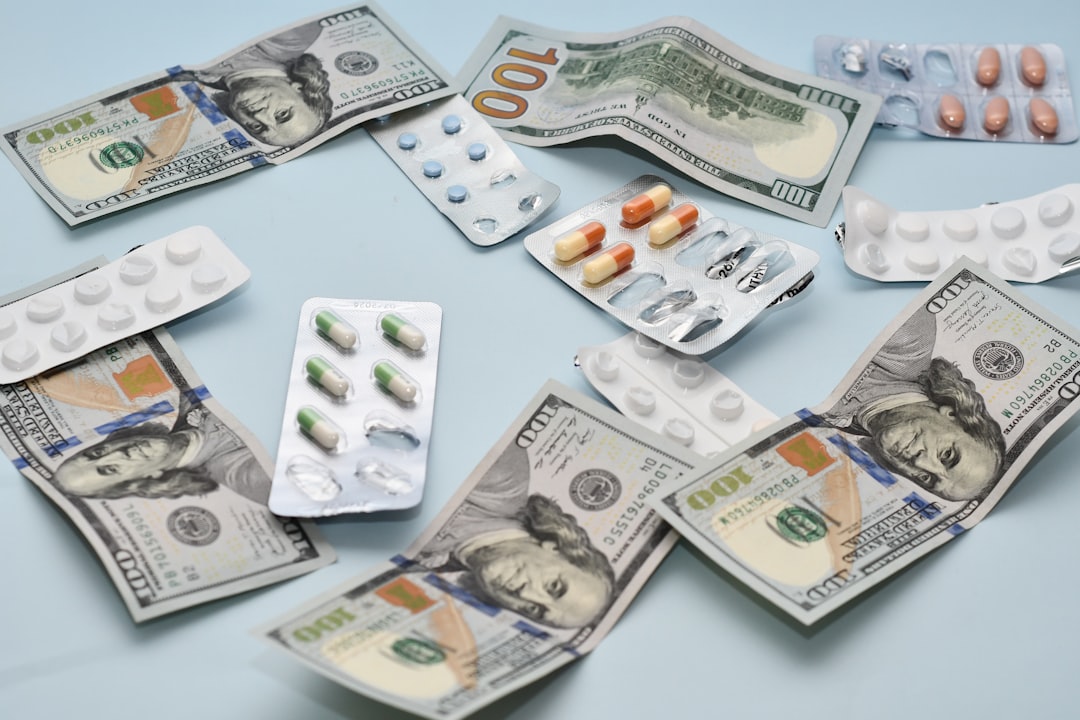
Former President Donald Trump pledges reduced healthcare and drug prices with transparency measures and direct funding for individuals.
In his 2026 State of the Union address, former President Donald Trump vowed to tackle the high costs of healthcare and prescription drugs. He laid out plans to shift money from major insurance companies directly to American citizens. This proposal, he claimed, would deliver better and more affordable options while promoting pricing transparency and reigning in excessive drug prices.
Trump's Critique of Current Health Costs
Trump began by criticizing the Affordable Care Act (ACA), commonly known as Obamacare. He accused the legislation of enriching insurance companies rather than serving the public. Highlighting soaring stock prices of major insurers—surging by as much as 1,700%—he argued that these gains came at the expense of average Americans. "It was meant for the insurance companies, not for the people," Trump asserted.
The former president underscored what he sees as government complicity, referencing large subsidies provided to insurers. These payments, Trump claims, create a system where ordinary Americans are left to deal with skyrocketing premiums and reduced quality of care.
Trump's Great Health Care Plan
Trump unveiled his "Great Health Care Plan," a proposal that redirects government funds away from insurance giants and places the money directly in the hands of Americans. By empowering citizens to purchase their own healthcare plans, Trump argues they will find better coverage at lower costs. He positioned this move as a fundamental departure from the existing subsidy-driven system.
Key Features of the Plan
- Direct Payments to Individuals: Under Trump's plan, funds previously allocated to insurance companies would go directly to the people.
- Price Transparency Requirements: Calling for "maximum price transparency," Trump promised to ensure consumers can compare costs and avoid hidden fees.
- Prescription Drug Pricing Reforms: A focus on reducing inflated drug costs would help Americans pay the lowest prices worldwide, Trump claimed.
Trump also highlighted his previous achievements in his first term, criticizing the Democratic Party for reversing initiatives he had implemented. According to him, transparency policies were "immediately terminated," which he said contributed to higher costs for healthcare.
Prescription Drug Pricing Focus
A significant part of Trump's healthcare pitch involved combating inflated prescription drug prices. He contended that for decades, Americans have borne the world's highest pharmaceutical costs. Trump's newly enacted "most favored nation agreements" aim to reverse this trend.
Under these agreements, Americans would pay prices equivalent to or lower than those of any other nation. Trump claimed that while prior administrations failed to address this issue effectively, his leadership directly confronted high prices. He noted other presidents "were all talk and no action" regarding drug pricing reform.
How Trump's Prescription Plan Works
- Lowest Global Prices: Ensure prescription drug prices in the United States align with the lowest rates paid internationally.
- Impact on Americans: By reducing drug costs, Trump aims to alleviate one of the most significant financial burdens for families and individuals with chronic conditions.
Contrasts with Previous Attempts
Trump distinguished his efforts from previous administrations, which he described as ineffective at best. "Most didn’t try, actually," Trump said, dismissing prior efforts as "all talk and no action." His messaging emphasized his ability to bring concepts to fruition, promising results unmatched by other leaders.
Practical Implications for Americans
Trump’s proposed measures could have wide-reaching impacts if successfully implemented. Direct payments might empower individuals to customize coverage, leading to competition among insurers and potentially lower premiums. Transparency in pricing could help consumers make informed choices about their healthcare expenditures. Lastly, reductions in prescription drug costs may alleviate financial strain on families who rely on vital medications.
Challenges to Consider
Critics may question the feasibility of such sweeping reforms. Reallocating subsidies and enforcing new pricing agreements will require significant restructuring of the healthcare marketplace. Additionally, opposition from the pharmaceutical and insurance industries could present legislative challenges.
Conclusion
Trump’s 2026 State of the Union address highlighted his focus on lowering healthcare and drug costs. With a promise to transfer funds directly to individuals, enforce price transparency, and secure the lowest drug prices globally, this plan aims to reduce one of the most pressing financial burdens for Americans. While ambitious, the success of these initiatives will depend on overcoming political and industry resistance. For now, Trump’s proposals underscore healthcare as a central issue in the national conversation.
Staff Writer
Lauren covers medical research, public health policy, and wellness trends.
Comments
Loading comments…


