U.S. healthcare workers moving to Canada for better opportunities
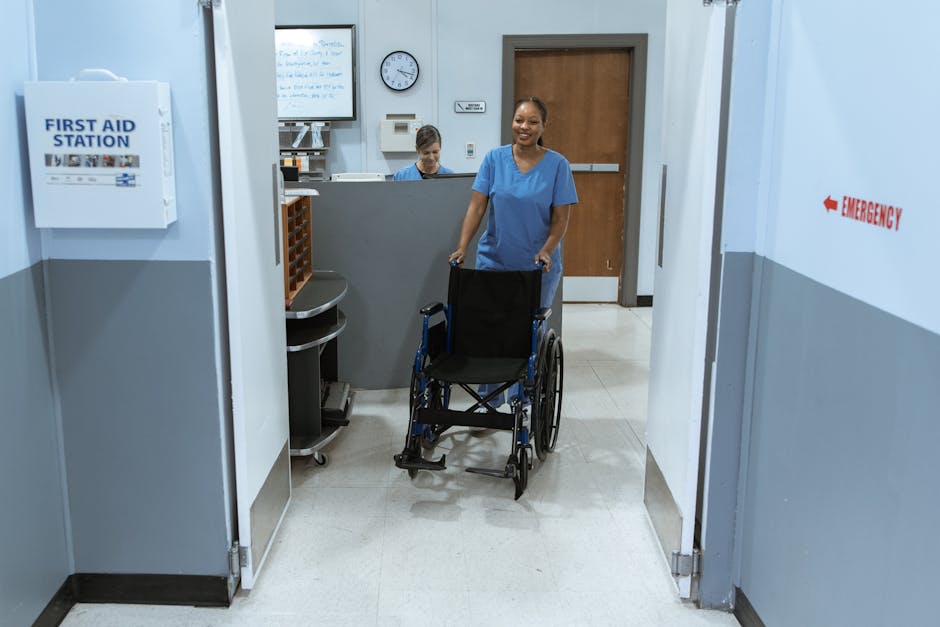
Over 400 American healthcare professionals have relocated to British Columbia, Canada, citing factors like public healthcare benefits and safety.
Hundreds of U.S. healthcare workers have made the life-changing decision to move to British Columbia (B.C.), Canada, in search of better working conditions, a public healthcare system, and personal safety. Within the last year, more than 400 healthcare professionals, including nurses, doctors, and psychologists, have accepted job positions in B.C.'s public healthcare sector. This influx follows a targeted recruitment campaign by the province and is hailed as a strong step toward alleviating worker shortages. However, significant staffing gaps remain, with thousands of positions still unfilled.
Why U.S. Healthcare Workers Are Moving to Canada
One of the driving forces behind this movement is dissatisfaction with the U.S. healthcare environment and broader socio-political issues. Many have cited burnout, safety concerns, and values misalignment as reasons for the move. For instance, Dr. Ann Randermann, a pathologist who relocated from Tulsa, Oklahoma to Nanaimo, B.C., highlighted her troubling experiences in her previous role. After facing extreme political instability during Donald Trump's tenure as U.S. President, and witnessing a shooting at her former workplace in 2022, she decided to look north toward stability and safety. "We have to get out of here," she told her family before making the bold decision.
Yen To West, a psychologist from Washington State, reflected on her transition, saying while the move required sacrifices, such as selling their family car, the public healthcare benefits and improved work-life balance made it worthwhile.
Recruitment, Incentives, and Campaign Impact
Last spring, B.C.'s Ministry of Health invested $5 million in a recruitment campaign targeting healthcare workers in politically liberal U.S. states. The campaign emphasized Canada's inclusive communities, protection of reproductive rights, and public healthcare system, appealing to left-leaning American professionals disillusioned by their country's policies.
The strategy worked. Over the past year, 414 professionals have accepted positions in B.C.'s healthcare system, including 89 doctors and 260 nurses. On Vancouver Island alone, nearly 100 of these new hires are now working, with placements in areas such as Nanaimo, Port Alberni, Tofino, and Victoria.
Healthcare professionals like nurse Brendan Kelly, who left a job in Arizona to settle in B.C., are overwhelmingly positive about the decision. Kelly describes the move as "the best thing we've ever done," further emphasizing the contrast between work environments in Canada and the United States.
Challenges in Filling the Gap
Though progress has been made, B.C. continues to grapple with a massive shortage of healthcare workers. The province currently has about 4,500 permanent nursing vacancies, making the addition of 260 nurses "a drop in the bucket," said the B.C. Nurses’ Union. The chronic shortage is part of a nationwide issue, with many Canadian-trained nurses leaving the profession within five years due to burnout and inadequate working conditions.
The union emphasized that recruitment efforts must go hand-in-hand with improved retention strategies. Ensuring better workplace conditions, addressing burnout, and providing competitive incentives for existing staff are crucial to stabilizing the sector.
Canadian Healthcare Attractiveness
Canada's universal healthcare system is a significant pull factor for U.S. professionals. Unlike the privatized U.S. model, Canada’s publicly funded approach ensures everyone has access to basic medical services regardless of income. For healthcare workers, this facilitates fewer financial conflicts with patients and focuses on providing necessary care without being tethered to insurance issues.
Additionally, the comparatively affordable cost of medical education in Canada appeals to younger professionals. Newer Canadian nurses and doctors graduate with less debt, potentially easing the career pressures that plague many U.S.-trained professionals.
U.S.-Canada Healthcare Workforce Shift
This "brain drain" phenomenon, as some experts call it, is likely to continue. Political polarization and safety concerns, such as increased mass shootings in the U.S., are pushing professionals to seek stability elsewhere. Meanwhile, Canada benefits from the expertise of these migrants.
Critics of this trend, however, note potential ethical concerns around "poaching" talent from an already strained U.S. healthcare system. Yet, the Canadian government remains focused on bridging its gaps and improving its own under-resourced system with skilled labor from abroad.
Comparing U.S. and Canadian Healthcare Work Environments
| Factor | U.S. Healthcare | Canadian Healthcare |
|---|---|---|
| Cost to Patients | Expensive, insurance-based | Publicly funded, minimal costs |
| Focus on Patients | Insurance-driven approvals | Greater access for all |
| Healthcare Worker Pay | Higher but lacks job security | Competitive with better work-life balance |
| Safety and Security | Risk from shootings, violence | Safer environments |
Takeaways for U.S. and Canadian Healthcare Systems
For American professionals considering relocation, Canada offers clear benefits: access to a public healthcare model, personal safety, and a strong community culture. However, integrating into Canada’s system comes with challenges, including adapting to different administrative protocols and licensing requirements. Still, the success stories from healthcare workers like Dr. Randermann and nurse Kelly highlight the potential rewards of making the transition.
For Canada, leveraging international recruitment can help address healthcare shortages but is not a sustainable long-term solution. Focused retention strategies—improving work conditions, addressing burnout, and recognizing existing staff—will also play a critical role in redefining the workforce experience.
Canada’s commitment to welcoming skilled professionals highlights the appeal of its values and public policies during times of global uncertainty. Whether this movement grows in the coming years will depend on both countries’ ability to address their systemic challenges.
Staff Writer
Lauren covers medical research, public health policy, and wellness trends.
Comments
Loading comments…


