World Parkinson's Day: Honoring Patients and Caregivers
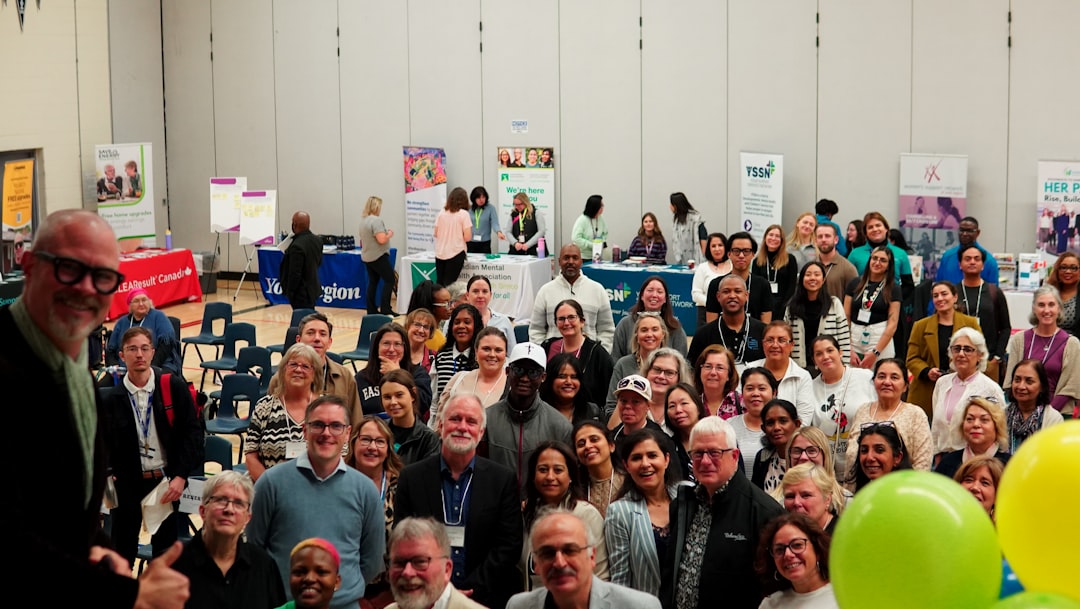
April 11 is World Parkinson's Day, a time to raise awareness about this progressive disease and the vital role caregivers play in supporting those affected.
World Parkinson's Day, observed annually on April 11, offers an opportunity to raise global awareness around Parkinson’s disease, its impact, and the vital role caregivers play in supporting those affected. With millions of people worldwide living with this progressive neurological condition, awareness campaigns aim to shed light on early diagnosis, treatment options, and the importance of community support.
Parkinson’s disease is a disorder of the central nervous system that profoundly impacts movement, balance, and overall daily functioning. Its symptoms, which progress over time, often include tremors, stiffness, and a slowing of movement. While the severity and onset of symptoms can vary, the toll it takes is both physical and emotional—for patients and their families alike.
The Story in Delaware
In Delaware, individuals and families are confronting the realities of this condition every day. While Parkinson’s disease is not unique to the state, Delaware serves as a microcosm for understanding how communities can adapt to better support both patients and caregivers. Across the state, a combination of medical services, non-profit organizations, and community initiatives strive to fill the gaps in care. But challenges remain, especially when it comes to early recognition of symptoms and ensuring access to specialized healthcare providers.
Why Awareness Matters
One of the central goals of World Parkinson's Day is to emphasize the importance of early disease detection. Identifying the signs of Parkinson's early, such as small changes in handwriting, loss of smell, or unexplained sleeping issues, can lead to timelier interventions that improve quality of life. Delaware and other regions are working to build better systems to educate both healthcare professionals and the wider public on these early warning signs.
Moreover, awareness campaigns also spotlight the resources needed for ongoing care. Access to neurologists, physical and occupational therapists, and support groups can make a crucial difference in how individuals manage the disease. Such resources are not always evenly distributed, leaving some rural areas in particular without adequate support.
The Often Overlooked Heroes: Caregivers
A vital, yet often underappreciated, topic tied to Parkinson’s disease is the role of caregivers. Many caregivers are women, often spouses or daughters, who step in to provide daily care. On World Parkinson’s Day, it’s important not only to honor those living with the disease but also to recognize the caregivers who play a behind-the-scenes role in ensuring the well-being of their loved ones.
Caregiving for a person with Parkinson’s goes beyond helping with medications or doctor’s appointments. It can extend to assisting with mobility, preparing meals that accommodate nutritional changes, and managing the mental health challenges that often accompany chronic illnesses. This work is demanding and emotionally draining, yet caregivers are frequently undervalued and unsupported.
Caregiving as Community Care
Organizations and health advocates increasingly consider caregiving to be a form of community health work. Building systems that ease the demands on caregivers—whether through more robust home care services, flexible employment policies, or accessible respite care—is critical for long-term sustainability. Societal recognition of caregiving as essential work encourages policymakers to invest in resources that benefit both caregivers and patients.
Looking Ahead
Parkinson’s disease remains an incurable condition, although advancements in treatment—from medications to deep brain stimulation—are helping manage symptoms more effectively. On days like World Parkinson’s Day, the focus sharpens on what more can be done. Practical next steps include greater access to Parkinson’s-specific resources, equity in healthcare delivery, and workplace policies that make it easier for caregivers to juggle their responsibilities.
Delaware, like many communities, has the potential to set examples for holistic care by continuing to prioritize both the needs of those diagnosed with Parkinson’s and their caregivers. By fostering strong support systems, leveraging technology for care solutions, and maintaining open dialogues about the disease’s impacts, we can ensure that no one faces their Parkinson’s journey alone.
This World Parkinson’s Day, take a moment to honor not just the individuals living with Parkinson’s, but also the caregivers showing up day after day with strength, compassion, and resilience. Together, building supportive systems isn’t just an act of kindness—it’s a collective responsibility that strengthens society as a whole.
Staff Writer
Ryan reports on fitness technology, nutrition science, and mental health.
Comments
Loading comments…


