Artemis II: Humanity's Return to the Moon in 2026
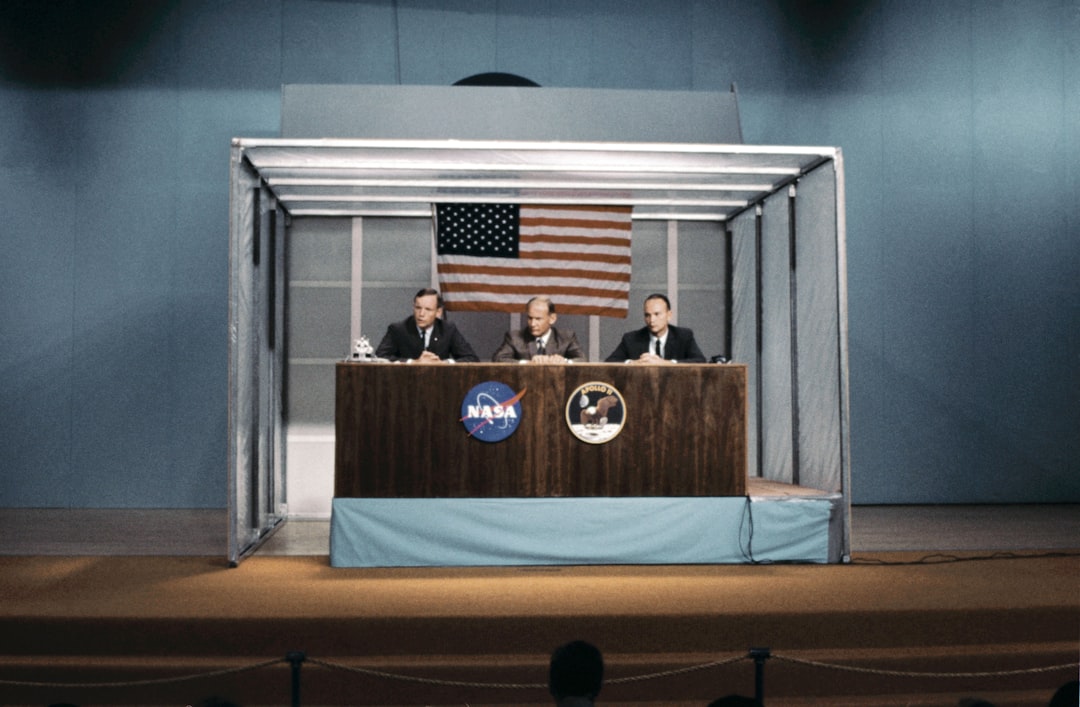
Artemis II marks NASA's first crewed mission to the Moon in over 50 years, with four astronauts preparing to journey around the Moon and back.
In a monumental step for human space exploration, NASA's Artemis program is set to return astronauts to the Moon for the first time in over 50 years. Artemis II, planned for launch in 2026, will be the program's first crewed mission, aiming to test essential spacecraft systems in preparation for future lunar surface landings. This mission isn’t just a trip around the Moon—it's a critical precursor to building a sustainable human presence on the lunar surface, with Mars looming on the long-term horizon.
The Crew: Pioneers of a New Era
Artemis II's crew consists of four astronauts from NASA and the Canadian Space Agency (CSA), a diverse team embodying international collaboration and expertise. Reid Wiseman, a seasoned astronaut, will serve as Commander. Accompanying him are Victor Glover, who flew on SpaceX's Crew-1 mission, Christina Koch, who holds the record for the longest single spaceflight by a woman, and Jeremy Hansen, a Canadian astronaut making his first spaceflight. Hansen’s inclusion highlights Canada’s instrumental role in space exploration and is part of a broader partnership between NASA and CSA.
These four astronauts represent the best of human ingenuity and ambition, preparing to push boundaries not seen since the Apollo program.
Orion and the Space Launch System: Engineering Marvels
Artemis II will utilize the Orion spacecraft, launched atop NASA's Space Launch System (SLS), the most powerful rocket ever built. The SLS is designed to carry both crew and cargo to deep space, standing as a technological leap forward from the Saturn V rockets that powered the Apollo missions. The Orion spacecraft itself is equipped to sustain human life beyond Earth’s orbit, with integrated life support systems, navigation technologies, and a heat shield robust enough to endure the fiery return through Earth’s atmosphere.
The Artemis II mission will test all critical systems aboard Orion, including its human life-support capabilities, communication technologies, and reentry systems. These systems must function flawlessly—not just for the safety of the crew but to pave the way for subsequent missions, including Artemis III, which will land humans on the Moon.
The Mission Itself: A Journey to the Moon and Back
Artemis II will be a roughly 10-day mission, during which the crew will travel farther into space than any human since 1972’s Apollo 17 mission. The spacecraft will complete a lunar flyby, reaching a distance of approximately 230,000 miles from Earth. Unlike Apollo missions, which landed on the Moon, Artemis II is focused on orbital operations, providing an opportunity to rigorously test navigation and critical systems in deep space conditions.
The mission’s trajectory will include several critical moments: the launch, separation of the SLS stages, Orion’s entry into lunar orbit, and its return trajectory to Earth. The success of these elements will confirm that both the spacecraft and ground systems are ready for more complex missions, including sustained operations on the lunar surface.
Why Artemis II Matters
Artemis II is more than a technical rehearsal—it’s a decisive step toward advanced space exploration. By confirming the capability of Orion and the Space Launch System, the mission lays the foundation for the eventual establishment of the Artemis Base Camp, where humans will live and work on the Moon. This lunar presence will also serve as a proving ground for technologies necessary for human Mars exploration.
The inclusion of international partners signals the global nature of this endeavor. With Canada contributing through the CSA and other space agencies involved in Artemis’ broader goals, this mission underscores the collaborative future of space exploration, where no single nation works alone.
Artemis II also continues NASA’s mission to inspire future generations. Much like the Apollo program ignited imaginations around the world, Artemis seeks to encourage interest in STEM fields, uniting humanity around the shared goal of exploring worlds beyond our own.
Looking Ahead: The Artemis Roadmap
Beyond Artemis II, the program has an ambitious roadmap. Artemis III, scheduled for later in the decade, will return humans to the lunar surface, including the first woman and person of color. That mission will work with SpaceX’s Starship Human Landing System. Further down the line, NASA envisions a sustainable presence on the Moon with Artemis Base Camp, equipped for extended stays and research.
The real prize, however, lies beyond the Moon. Plans for Artemis include using lunar operations as a springboard for Mars, developing the technologies and expertise needed to send humans to the Red Planet in the 2030s or 2040s. The Moon presents an opportunity to perfect resource utilization, test long-duration life support systems, and conduct critical experiments—all essential for future interplanetary travel.
Challenges and Expectations
The Artemis program has not been without its challenges. Delays, cost overruns, and technical hurdles have drawn criticism, and Artemis II will face significant scrutiny. The mission’s success is critical both for the program's credibility and for maintaining public and political support. Every system and procedure must perform flawlessly to demonstrate that the investments in SLS and Orion were justified.
However, the excitement around Artemis II points to humanity’s enduring fascination with the Moon and what lies beyond. The mission serves as a testament to human resilience and ingenuity, offering a glimpse of a future where humans are a multi-planetary species.
What Comes Next
As Artemis II moves closer to launch, all eyes will be on NASA and its partners to see whether this mission meets its ambitious goals. Success here will validate the years of development and set the stage for humanity’s next great adventure—returning to the surface of the Moon and looking ahead to Mars.
When the Artemis II crew embarks on their journey, they won't just be carrying scientific instruments and life-support systems. They’ll be carrying humanity’s dreams of exploration, collaboration, and boundless potential into the vast expanse of space.
Staff Writer
Daniel reports on biology, climate science, and medical research.
Comments
Loading comments…


