Artemis II Moon Mission: Everything You Need to Know About NASA’s 2026 Launch
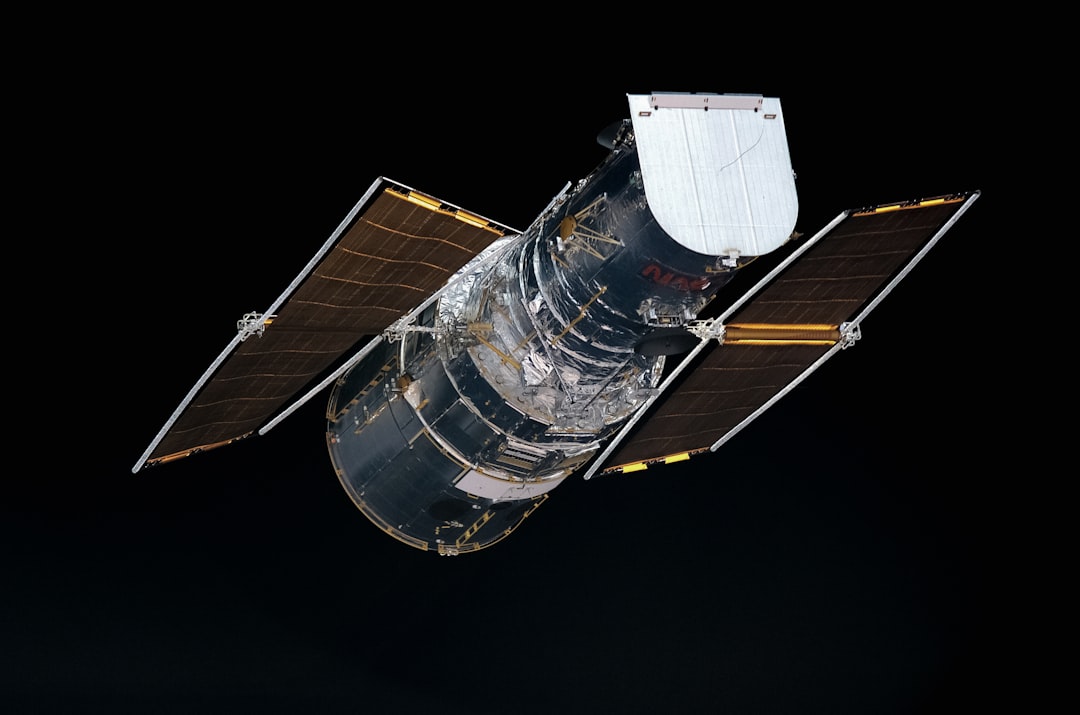
NASA's Artemis II aims to send astronauts farther than ever before in 2026—marking a turning point in space exploration.
NASA’s Artemis program is writing a new chapter in space exploration, and Artemis II is set to lead the way in 2026. This mission marks NASA’s first crewed flight with the Artemis program and will serve as a critical stepping stone for future missions beyond the Moon, including possible endeavors to Mars. But why has NASA scheduled Artemis II’s launch for such a specific window in early April 2026? And what makes its trajectory one of the most challenging yet fascinating aspects of the journey? Let’s break it all down.
The Launch Window: Timing Is Everything
Scheduled for April 1, 2026, Artemis II’s launch window extends until April 6, with a fallback option of April 30. But why is the timing so rigid? Unlike terrestrial vehicles, rockets cannot launch whenever it’s convenient. Every space mission requires precise alignment of the Earth, Moon, and Sun. For Artemis II, this alignment is crucial to executing the Trans Lunar Injection (TLI) burn, which propels the spacecraft from Earth’s orbit toward the Moon.
Orbital mechanics dictate everything here; any deviation could throw the mission off course. In this case, the alignment ensures that the Orion crew capsule can safely orbit the Earth, slingshot toward the Moon, and return safely. A key consideration is sunlight—ensuring that the spacecraft’s solar panels remain exposed to sufficient solar radiation. Extended periods in shadow could cripple electrical systems, endangering both the mission and the crew.
A Trajectory Like No Other
Artemis II promises to push human exploration farther than ever before, sending astronauts 4,700 miles beyond the Moon. While this mission won’t involve a lunar landing, the trajectory itself is a critical element of the test. Called a free-return trajectory, the path takes the Orion capsule in a figure-eight loop around both the Earth and Moon.
This maneuver uses the Moon’s gravitational force for what is known as a "gravity assist." Essentially, the Moon’s gravity will act as a slingshot, providing the necessary energy for Orion to return to Earth without requiring significant additional propulsion. Not only does this save fuel, but it also mimics the sort of trajectory Artemis missions will need when pursuing even more ambitious objectives, such as sending human crews to Mars.
However, before heading outward toward the Moon, Artemis II will first conduct an Earth orbit system test. This step allows mission control and the crew to verify that all systems aboard the Orion spacecraft are functioning correctly before venturing further from Earth. This meticulous, step-by-step approach underscores the mission’s complexity and high stakes.
Breaking Records—and the Limit
One of Artemis II’s standout achievements will be sending humans farther from Earth than they’ve ever been. This record-setting feat underscores the readiness of not only NASA’s Orion spacecraft but also the agency’s ambition to pioneer human exploration deeper into the solar system. Getting there, however, is only half the battle.
The return journey is where Artemis II introduces another technological challenge: the skip reentry. During reentry, Orion won’t simply dive into the Earth’s atmosphere directly. Instead, it will use a technique called “skip reentry,” in which the spacecraft briefly grazes the atmosphere like a skipping stone before fully entering. This maneuver reduces the intense heat generated by reentry while also giving the spacecraft the necessary control to land safely. Precision is everything here—a wrong angle during reentry could result in disaster, either destroying the heat shield or sending the spacecraft off course.
Preparing for the Future of Space Travel
Artemis II is more than just a test flight; it is a rehearsal for what lies ahead. This mission will validate many of the systems and procedures needed for Artemis III, which aims to land humans on the lunar surface. But a crucial long-term question looms: are chemical rockets enough to support humanity’s ambitions in space?
While the Space Launch System (SLS) rockets that power the Artemis missions are capable of sending spacecraft toward the Moon, future deep space exploration may demand more advanced propulsion systems. Options like nuclear thermal propulsion are being explored as potential solutions for taking human spaceflight to Mars and beyond. Systems like these promise greater efficiency and the ability to sustain longer missions—a necessity when contemplating the enormous distances and timescales involved in interplanetary travel.
Why Artemis II Matters
Fifty years after the Apollo 17 mission marked humanity’s last steps on the Moon, Artemis II is poised to reignite lunar exploration and lay the foundation for the next era of spaceflight. Every aspect of this mission—from its carefully calculated launch window to its record-setting trajectory—is a reminder of the precision required to unlock the heavens.
The ultimate goal is to establish a sustainable presence on the Moon, one that can serve as a platform for missions to Mars and beyond. Artemis II is the bridge that connects these ambitions to the present, a mission that not only tests our technology but also our resolve to explore the unknown. April 2026 cannot come soon enough.
Staff Writer
Emily covers space exploration, physics, and scientific research. Holds a degree in astrophysics.
Comments
Loading comments…


