Artemis II: NASA Provides Key Updates on Mission Progress and Milestones
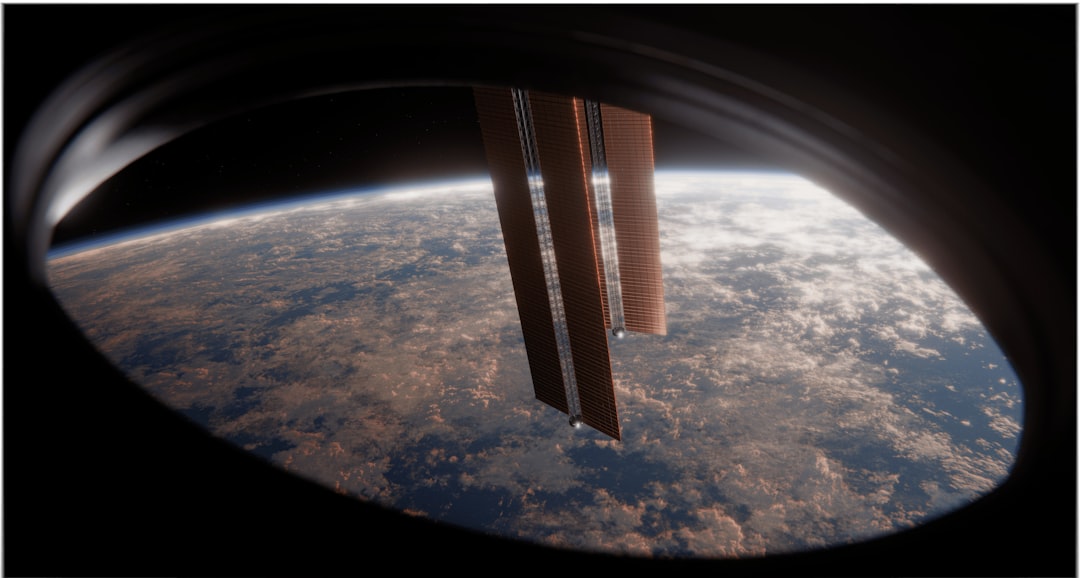
NASA’s Artemis II mission is moving ahead smoothly, with the crew more than halfway to the Moon during this pivotal human spaceflight test.
The Artemis II mission, a critical step in NASA's vision for future lunar exploration and eventual Mars endeavors, is proceeding as planned, with the four-person crew and spacecraft performing as expected. The mission, which marks the first crewed journey to the Moon under the Artemis program, has already passed significant milestones, and NASA officials are optimistic about the path forward.
Translunar Travel and Key Updates
On April 3, 2026, NASA officials hosted a briefing to provide updates on the third day of the Artemis II mission, which is currently taking the crew on a trajectory toward a lunar flyby. The spacecraft, now more than 100,000 miles from Earth and approximately 150,000 miles away from the Moon, is in excellent condition according to NASA engineers.
Lakisha Hawkins, deputy director for NASA's Artemis program, remarked on the symbolic and practical importance of the mission, emphasizing its status as the "moonshot" of this generation. “With the exception of our four friends onboard, all of us are represented in this mission,” she noted, referencing the incredible imagery captured by the crew so far. Among these visuals are breathtaking shots of Earth from the Orion spacecraft’s window, depicting auroras and a breathtaking view of the planet as the Sun falls behind it. These images offer the world a unique perspective of our home planet as the team heads toward the Moon.
Technical Performance of the Orion Spacecraft
Judd Frieling, Artemis II flight director, and Howard Hughes, Orion program manager, provided technical insights at the briefing. The Translunar Injection (TLI) burn, which occurred the previous day, was executed flawlessly. Hughes confirmed that the spacecraft’s propellant usage was within 5% of predictions, emphasizing the mission’s precision. All Orion subsystems, including its solar arrays and CO2 scrubbing air revitalization systems, are performing nominally, with the crew’s well-being remaining a top priority.
One minor issue was noted with the pressurization system for the spacecraft’s Service Module (SM) propellant tanks. NASA engineers detected the need to isolate one of the helium pressurization branches. However, redundant systems are operational, and the anomaly poses no risk to the mission. “This is why we build redundancy into our systems,” Hughes explained, underlining that the mission can proceed without significant modifications as engineers continue their assessment.
Life Aboard Orion
As Artemis II ventures further into deep space, the astronauts are actively working to ensure the spacecraft and themselves remain in optimal condition. A key focus of their activities involves waste management. Conversations between the crew and ground teams revealed some logistical challenges surrounding trash storage, with astronauts identifying locations for trash consolidation aboard the spacecraft to maintain an efficient workflow.
The team is also continuing daily life activities in microgravity, including regular exercise and family communication sessions. Notably, NASA is closely monitoring spacecraft conditions such as cabin temperature and humidity to ensure astronaut comfort. Some adjustments have been made since launch, including modifying heater systems to bring temperatures into the mid-70s Fahrenheit range, after initial drops to the mid-60s were found to be less comfortable for the crew. Maintaining proper humidity levels, essential for optimal CO2 scrubbing performance, remains a priority.
The Importance of the Lunar Flyby
The Artemis II mission will complete its most visible and dramatic milestone on Monday, April 6, with a close lunar flyby. This event is not only an awe-inspiring moment for the crew but also a significant technical achievement. “Being able to see the lunar surface with human eyes is a huge milestone,” Frieling stated during the Q&A portion of the conference. The success of this flyby will determine the spacecraft’s ability to collect vital data about operational conditions in close proximity to the Moon’s gravitational field.
Hughes echoed these sentiments, stressing the importance of testing the transportation system with a human crew aboard. “Until you're in that environment and operating with people in the mix, you don’t fully understand what adjustments might need to be made,” he said. By pushing the spacecraft and its systems to their limits, NASA is ensuring the reliability of future Artemis missions, including Artemis III, which aims to land humans on the lunar surface.
Innovations and Highlights
NASA has implemented several technological advancements in the Orion spacecraft that are now being tested in real-time. One standout feature is the Optical Communications system (OP comm), which allows rapid download of high-definition images and videos from deep space. Ground teams used this system overnight to retrieve high-res visual data captured by the crew.
In addition to technology, the mission intends to inspire the public. Capturing Earth's image and striking a chord of unity among people worldwide is part of Artemis’s broader purpose. “Part of what we’re doing is capturing the imagination of people,” said Hawkins. With engagement higher than expected, NASA hopes the Artemis missions will galvanize new generations to dream about exploration.
Challenges and Lessons Learned
While the Artemis II mission has largely proceeded without incident, there have been minor adjustments required. For instance, natural discharge events, such as the venting of CO2 overboard and water dumps, can subtly influence the spacecraft’s trajectory. These discharges are relatively small but are tracked and factored into upcoming trajectory corrections. NASA confirmed that the mission control team opted to forgo one planned correction maneuver due to tight navigational predictions.
Moreover, the cabin noise caused by some onboard equipment, including the system toilet, is being characterized to assess comfort levels for longer missions. Such subtle yet critical assessments will inform all subsequent missions, including potential multi-week expeditions with astronauts living aboard Orion and Gateway stations around the Moon.
Looking Ahead
The Artemis II mission represents not just a test of technology but also an exercise in refining processes, ensuring crew safety, and pushing the boundaries of human ingenuity. As NASA prepares for the Artemis III mission, which will aim to put humans back on the Moon, the successful performance of Artemis II is a crucial step in bridging the gap.
Whether through stunning images of Earth from space or through demonstrating unparalleled engineering precision, Artemis II is setting the stage for a new era of exploration. And as NASA continues to share insight into the mission, the world watches in anticipation to see what this historic venture will mean for humanity’s future among the stars.
Staff Writer
Daniel reports on biology, climate science, and medical research.
Comments
Loading comments…


