Artemis II: NASA’s Plan to Return Humanity to the Moon
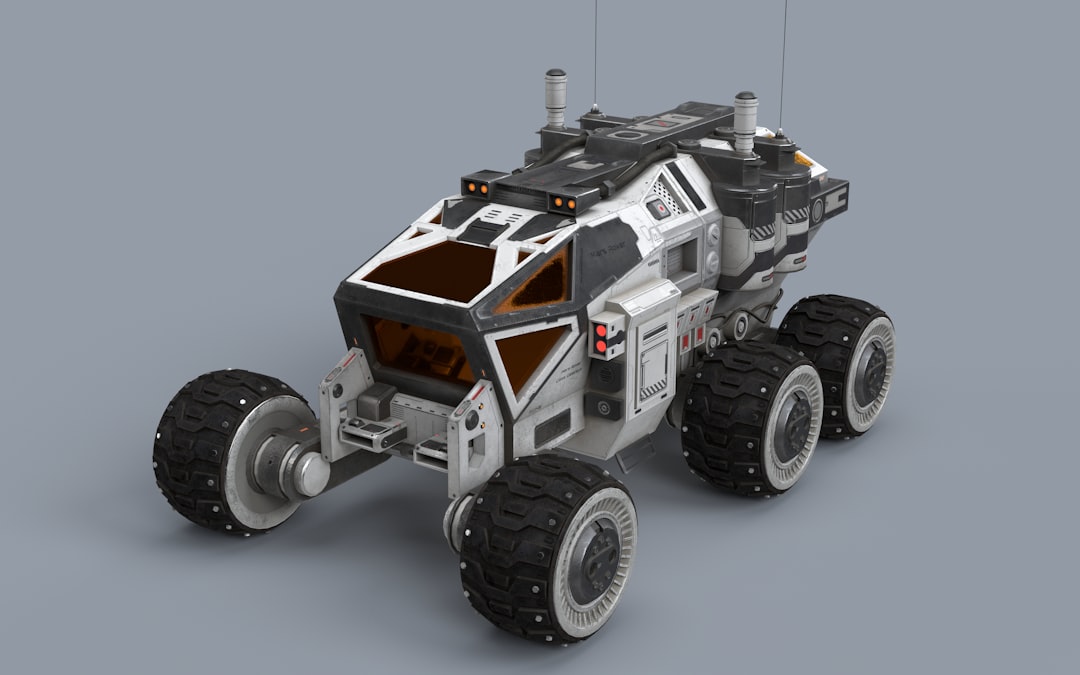
NASA’s Artemis II mission prepares to return humans to the Moon, focusing on new technologies, crew training, and plans for a long-term lunar base.
NASA has set its sights firmly on the Moon once again, nearly half a century after the Apollo missions. Through the Artemis program, NASA aims to not only return humans to the Moon but lay the groundwork for sustainable exploration. Artemis II, an essential precursor to a lunar landing, focuses on preparing astronauts and testing advanced technology to make this vision a reality.
Expanding Beyond Apollo: Why the South Pole?
The Apollo missions famously explored the Moon's equatorial regions in the 1960s and 70s. These early missions primarily concentrated on landing on the Moon and collecting initial scientific data. But Artemis II aims to explore the lunar south pole—a promising area with unique challenges and resources. The south pole's craters contain shadowed areas believed to harbor water ice, a critical resource for future lunar habitats, water supplies, and even rocket fuel production. Unlike Apollo, Artemis II emphasizes long-term sustainability rather than reconnaissance.
Simulating Moonwalks in Arizona
Preparing for the Moon involves more than building rockets. Astronauts are training in environments that mimic the lunar surface. Northern Arizona’s rugged volcanic fields offer the kind of terrain features—rocky surfaces, craters, and shadows—that astronauts will face on the Moon. Here, scientists and astronauts test mobility in their advanced space suits, evaluate tools for fieldwork, and refine operational tactics.
Key Space Suit Innovations
NASA’s new suits prioritize three crucial aspects:
- Mobility: The ability to kneel, recover, and complete tasks like chipping rocks efficiently.
- Visibility: Enhanced helmet designs and lighting systems allow astronauts to see better in the extreme shadow and light contrast of the Moon.
- Data Streams: Advanced communication tools and video integration help relay real-time scientific observations.
These capabilities prepare astronauts not just for survival but also for conducting effective science during their missions.
Navigating the Lunar Terrain
The Moon’s south pole presents specific navigation hurdles. Shadows are long and deep due to the Sun’s low angle, making it difficult to discern depth, distance, and obstacles. NASA’s training incorporates virtual reality simulations at Johnson Space Center, where astronauts practice navigating lunar terrain using rovers. They also familiarize themselves with challenges posed by lighting changes and surface irregularities.
Astronauts are trained to walk slowly and cautiously, adjusting their movements to a low-gravity, low-light environment. Equipment like lunar terrain vehicles (LTVs) gets tested for its ability to operate on the uneven surface, climb slopes, and avoid hazards.
Engineering LTVs for Extreme Conditions
Lunar vehicles face intense design challenges:
| Environmental Factor | Design Solution |
|---|---|
| No atmosphere (vacuum) | Aluminum alloy wheels withstand thermal stress and vacuum conditions. |
| Temperature extremes | Materials survive both 14 days of intense heat and 14 days of extreme cold. |
| Rocky, uneven terrain | Advanced suspension systems ensure smooth movement and traction. |
These innovations, backed by rigorous testing in simulated environments, aim to make Artemis lunar operations more efficient and reliable.
Creating Lunar Infrastructure
The Artemis program isn’t just about brief visits but aims for sustainable exploration. NASA envisions a modular system of robotics and tools that astronauts can assemble on the Moon to create essential infrastructure. These modules, akin to “bricks,” will eventually be used to construct rovers, habitation systems, and laboratories.
Water will play a critical role. Carrying water to the Moon is expensive, so systems to extract or regenerate water are a priority. The south pole’s ice deposits could potentially provide this resource. Artemis missions will explore methods to extract ice, analyze its usability, and integrate it into life support and fuel systems.
Artemis II: The Crew Module and Life Support Systems
Artemis II includes extensive testing to ensure astronaut safety and comfort. At NASA’s training facilities, the Orion spacecraft crew module is preparing for its 10-day mission with four astronauts onboard. The module comprises three core systems:
- Crew Module: Living, working, and sleeping quarters for the crew.
- Service Module: Houses essential systems like propulsion and power.
- Launch Abort System: Keeps astronauts safe during launch.
A key focus is the Environmental Control and Life Support System (ECLSS). Artemis II will test systems like carbon dioxide removal, oxygen regeneration, and temperature and humidity controls, ensuring a "home away from home" suitable for long-duration space journeys.
The Challenges of Getting Back
While the journey to the Moon garners much attention, ensuring astronauts return safely is equally crucial. Artemis II will perform a trans-lunar injection burn to place the spacecraft on course for the Moon and back to a precise splashdown site in the Pacific Ocean. This involves intricate entry, descent, and landing procedures, requiring everything from heat shields to parachutes to function flawlessly. Lessons learned from Artemis II will inform future missions, including the eventual Artemis III lunar landing.
Preparing the Artemis Rocket
The immense technical requirements of the Artemis launch vehicle are handled at NASA’s Kennedy Space Center. The 8.8-million-pound thrust system relies on two solid rocket boosters to propel astronauts to the Moon. Each component undergoes rigorous testing with over 1,000 launch criteria reviewed to ensure every system meets safety benchmarks.
NASA’s crawler transporter, a Guinness World Record-holder as the heaviest self-powered vehicle in the world, will carry the massive Artemis rocket to the launch pad. It’s an engineering marvel with roots in the Apollo era but updated to meet modern mission demands.
Inspiring a New Generation
Representation remains central to Artemis ambitions. By showcasing diverse crews and global collaboration, NASA strives to inspire people from all walks of life to see themselves contributing to space exploration. The program aims to demonstrate that collective knowledge, skills, and diverse perspectives lead to innovation and success.
Practical Takeaways
- Lunar south pole exploration: Offers critical resources like water ice, which could sustain habitats and fuel systems.
- Training innovation: Combines physical testing in lunar-like environments and VR simulations to prepare astronauts for Moon missions.
- Engineering advancements: New space suits, rovers, and modular systems are crucial for sustainable operations.
- Safe returns prioritized: Advanced planning ensures not just successful missions but safe re-entry and splashdowns.
Conclusion
Artemis II represents more than just a return to the Moon. It sets the foundation for future missions to create a sustainable lunar presence. From advancing technology to inspiring a new generation, Artemis II signals a new era of space exploration, building on lessons from Apollo but setting bolder objectives. As NASA targets the south pole, these missions could unlock the Moon’s potential as humanity’s stepping-stone to the stars.
Staff Writer
Emily covers space exploration, physics, and scientific research. Holds a degree in astrophysics.
Comments
Loading comments…


