China's top science breakthroughs of 2025 reshape the global landscape
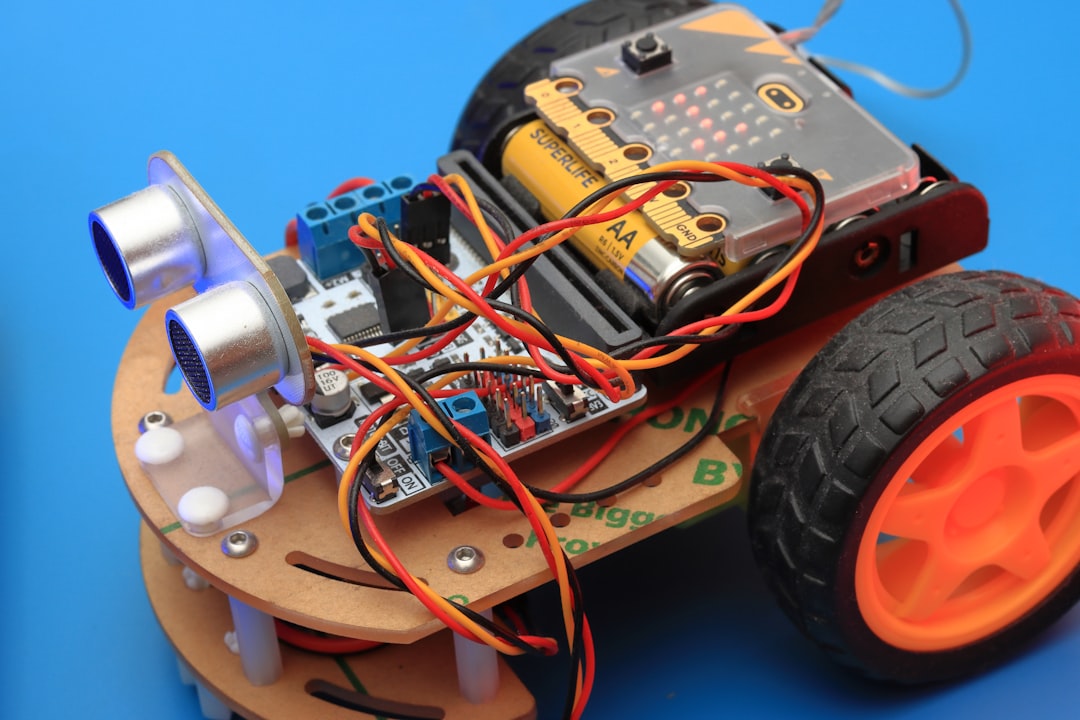
From advanced chip manufacturing to breakthroughs in cancer research and robotics, China's 2025 science highlights showcase innovation across multiple fields.
China’s scientific advancements in 2025 demonstrated remarkable innovation across a diverse range of fields. From groundbreaking achievements in semiconductor technology to strides in robotics and human health, these developments highlight China’s increasing role in driving global scientific progress.
A breakthrough in semiconductor manufacturing
Semiconductor technology dominated the headlines in 2025, with Chinese scientists developing a novel method for mass-producing high-quality indium selenide semiconductors. This material is seen as a potential successor to silicon in chip manufacturing due to its superior electrical properties. Using a solid-liquid-solid growth process, researchers were able to control the atomic ratio between indium and selenium precisely, enabling the production of wafer-scale indium selenide semiconductors.
This achievement resolves a persistent challenge in producing two-dimensional semiconductors, potentially paving the way for chips that outperform existing silicon-based technologies. Such advancements could revolutionize industries reliant on faster, smaller, and more efficient electronics, solidifying China’s position in the global semiconductor supply chain.
Combating desertification with eco-friendly approaches
China’s fight against desert encroachment also reached a milestone this year. In June, the nation completed an ecological barrier along the southeastern edge of the Tengger Desert, its fourth-largest desert. Decades of dedicated effort have stabilized vast tracts of land where grass and shrubs can be planted only during the brief rainy season each summer.
Innovative solutions have complemented traditional reforestation efforts. One standout example is the introduction of solar panel farms combined with crop plantations in the Taklamakan Desert. Spanning over 3,000 kilometers, this approach not only combats desertification but also generates renewable energy, making the project a globally recognized model of sustainability.
Advances in robotics: From labs to real-world applications
This year marked significant progress in robotics, particularly in mimicking human-like motion. During the Chinese New Year, 16 humanoid robots developed by Unitrade performed flawlessly at the Spring Festival Gala. These robots demonstrated complex movements such as catching and tossing handkerchiefs, illustrating advancements in robotic dexterity and coordination.
Later, China hosted its first human-robot half-marathon and competitive games, transitioning these machines from controlled lab environments to real-world scenarios. These events indicate an accelerating push toward integrating robots into daily life, from collaborative workplaces to personal assistance.
Cancer research inspired by traditional medicine
Addressing one of the world’s most pressing health concerns, Chinese scientists identified a natural compound called Subi that could slow the growth of liver cancer cells. Derived from traditional Chinese medicine, Subi disrupts the metabolic balance in cancer cells, effectively suppressing tumor growth in preclinical experiments.
While still in its early stages, this research represents a promising intersection between ancient remedies and modern molecular biology. Future drug development efforts will aim to harness Subi’s therapeutic potential, showcasing how traditional medicine can contribute to addressing complex medical challenges.
Unlocking the mysteries of neutrinos
China’s endeavors in fundamental physics also captured attention this year. The Jiangmen Underground Neutrino Observatory (JUNO) confirmed a longstanding mystery known as the solar neutrino tension just months after beginning operations. This tension refers to discrepancies in particle physics laws as observed in neutrino behavior.
The neutrino detector, completed after a decade of meticulous construction, achieved world-class precision in its measurements. Meanwhile, China also achieved milestones with its deep-sea neutrino detector, Hai-Ling. Following successful sea trials, the first detectors are set to be deployed next year, enabling scientists to capture cosmic signals from the ocean floor.
Practical applications of scientific progress
The implications of China’s 2025 scientific breakthroughs go beyond academic research. Concrete applications of these achievements include:
- Electronics: Indium selenide chips could lead to faster, more powerful devices.
- Environment: Large-scale anti-desertification projects can inspire similar global initiatives.
- Healthcare: Subi’s potential in cancer treatments underscores the importance of integrating traditional and modern science.
- Robotics: Human-like robots may soon play roles in healthcare, manufacturing, and customer service.
- Fundamental research: Neutrino studies could reshape our understanding of the universe’s basic rules.
What lies ahead for global innovation
China’s 2025 achievements reflect its multifaceted approach to scientific advancement, merging cutting-edge technology with long-term environmental and health initiatives. The nation’s ability to balance fundamental research with practical applications will likely shape global innovation in the years to come.
Staff Writer
Emily covers space exploration, physics, and scientific research. Holds a degree in astrophysics.
Comments
Loading comments…


