Esperia Incorporation: Reviving Alien Ship Designs to Shape Humanity’s Future
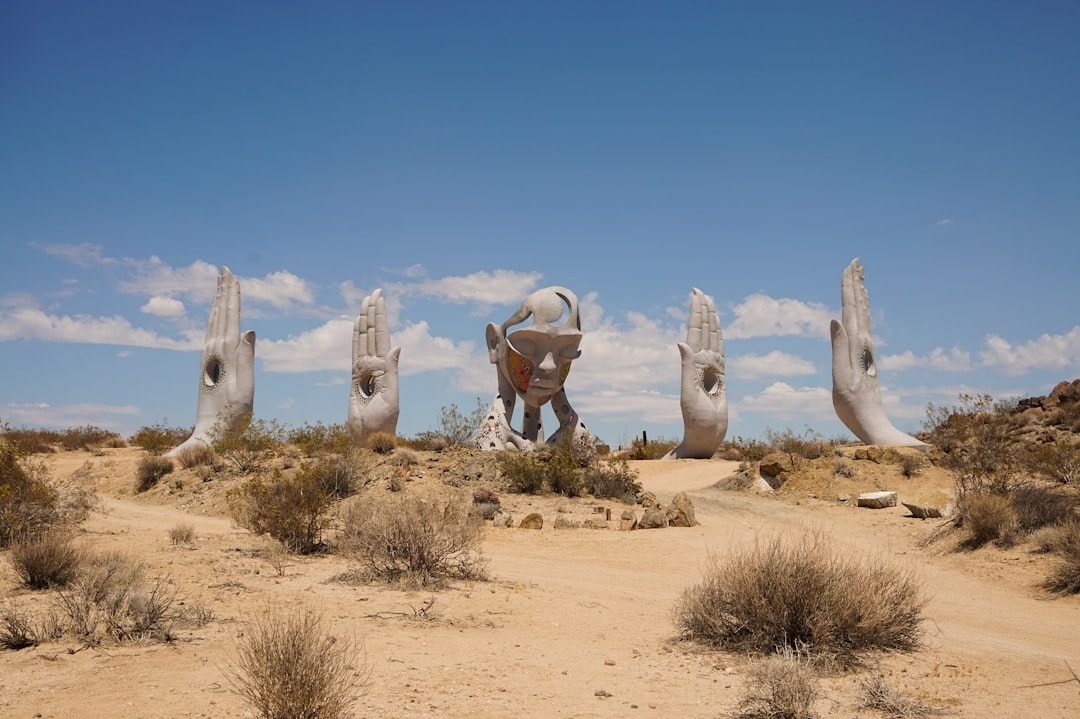
Esperia Incorporation combines alien technology with modern engineering, reshaping interstellar travel and defense while preserving cosmic history.
Founded in 2873 by Jovi and Theo Ingstrom, Esperia Incorporation has firmly established itself as a bridge between humanity’s engineering prowess and the advanced, often forgotten, designs of alien spacecraft. Based in the bustling technological hub of Kutaram City, on Terra, the company is now a vital player in preserving and reinvigorating alien ship designs for human use. Under the visionary leadership of CEO Charlotte Hussion since 2935, Esperia has expanded its scope dramatically, blending cultural preservation with cutting-edge technological innovation.
Preserving History with Modern Vision
Esperia began with a singular mission: to recover and replicate alien spacecraft designs, many of which were relics of civilizations that had long faded into obscurity. Jovi and Theo Ingstrom, space enthusiasts and pioneers in the field of xenoarchaeology, saw an untapped opportunity in harnessing these advanced yet abandoned designs for contemporary use. Rather than merely reproducing ancient spacecraft, Esperia modernized each design, incorporating state-of-the-art human materials and engineering techniques while staying true to the essence of the original creations.
This seamless blend of historical preservation and forward-thinking adaptation has become the company’s hallmark. Esperia’s engineering labs, equipped with advanced quantum drives and holographic blueprint projectors, serve as the crucible where ancient artifacts are transformed into functional, contemporary spacecraft designed for both military and civilian purposes. Each ship produced by Esperia is a testament to the company’s commitment to honoring historical integrity while addressing the needs of modern users.
The Theo and Jovi Fellowship: Fueling Xenoarchaeology
Central to Esperia’s ethos is advancing the field of xenoarchaeology, an interdisciplinary science that studies alien civilizations through their artifacts. The Theo and Jovi Fellowship, established shortly after the company’s founding, selects eight promising individuals annually who are dedicated to unraveling the mysteries of alien craftsmanship. These fellows work alongside Esperia’s engineers to uncover, analyze, and ultimately refine long-lost designs.
This program not only preserves the knowledge embedded within ancient alien relics but also promotes innovation by inspiring new generations of researchers and engineers. Graduates of the fellowship have contributed groundbreaking advancements in both xenoarchaeology and ship design, helping to ensure that the legacy of these forgotten spacecraft continues to evolve.
Collaborating with the United Empire of Earth Navy
Esperia’s contribution to humanity extends far beyond historical preservation. The company has developed a close working relationship with the United Empire of Earth Navy (UEEN), providing replica spacecraft to train and prepare combat pilots. These replicas, based on alien designs, serve as essential tools for honing advanced techniques and strategies that might one day be required against adversaries wielding similarly sophisticated technology.
The collaboration with the UEEN highlights the dual role Esperia plays: cultural preservationist and strategic innovator. While the company honors the craftsmanship of alien designs, it simultaneously ensures that these relics are adapted for practical military applications. Such efforts enable the UEEN to remain prepared for the challenges of interstellar military engagements, particularly against unknown extraterrestrial threats.
For example, a restored Cutlass Black—a once-infamous pirate vessel—was recently tested under the supervision of Charlotte Hussion at the UEEN’s testing grounds. These trials exemplify the rigorous processes Esperia ships undergo to ensure reliability and effectiveness in modern contexts. This melding of history with contemporary purpose underscores the company’s mission to bridge the past and future seamlessly.
Ethical and Practical Challenges
Reviving alien spacecraft poses intricate challenges, both ethical and practical. By repurposing alien technology, Esperia navigates a delicate balance between utilizing these artifacts for advancement and respecting their cultural significance. Charlotte Hussion, in her role as CEO, emphasizes the importance of maintaining safety and environmental sustainability during restoration processes.
In a recent interview, Hussion highlighted the broader implications of Esperia’s work: “We are not merely building spacecraft; we are building bridges between civilizations. Every ship design we restore is a lesson in ingenuity and adaptability, one that informs our approach to the future.”
Yet, the company’s efforts to reshape ancient designs into functional tools for human advancement have sparked difficult questions about potential overreach. Is it possible to rebuild history without distorting it? How can these restored vessels avoid becoming tools of exploitation, rather than conservation? For these reasons, Esperia’s leadership remains focused on fostering dialogue among academics, engineers, and policymakers to address these challenges responsibly.
Cultivating a Legacy of Cosmic Craftsmanship
While Esperia’s work carries immense practical value, the company is also keenly aware of the symbolic significance of its efforts. Each restored ship is more than a functional vessel—it is an artifact of interstellar history brought back to life. The teams at Esperia view their work not only as a technical challenge but as a profound responsibility to humanity’s collective heritage.
Inside the company’s engineering bays, echoes of forgotten alien civilizations resonate through every blueprint and rivet. Teams of craftspeople work with meticulous care, knowing their efforts are contributing to a legacy that transcends the boundaries of planets and star systems. As each ship takes shape, it embodies the intersection of history and innovation that lies at Esperia’s core.
Toward the Stars
Esperia Incorporation stands as a shining example of humanity’s ambition and ingenuity. From its humble beginnings in Kutaram as a venture into preserving forgotten alien designs, the company has evolved into a critical player in interstellar travel, military preparedness, and cultural preservation. Under Charlotte Hussion’s leadership, Esperia continues to push the boundaries of what is possible, transforming relics of the cosmos into tools that shape the future.
As we move into an era of deeper exploration and broader human presence in the galaxy, the work of Esperia offers a roadmap for the challenges ahead: honoring the past while boldly reaching toward the stars. Whether through the fellowship program, its collaborations with the UEEN, or the visionary restoration projects within its labs, Esperia symbolizes the potential for a harmonious relationship between discovery, progress, and preservation. Each ship that leaves its docks carries not just humans but the shared history of countless civilizations into the vast unknown.
Staff Writer
Emily covers space exploration, physics, and scientific research. Holds a degree in astrophysics.
Comments
Loading comments…


