How Laser Retroreflectors and AI Are Shaping Space Exploration in 2026
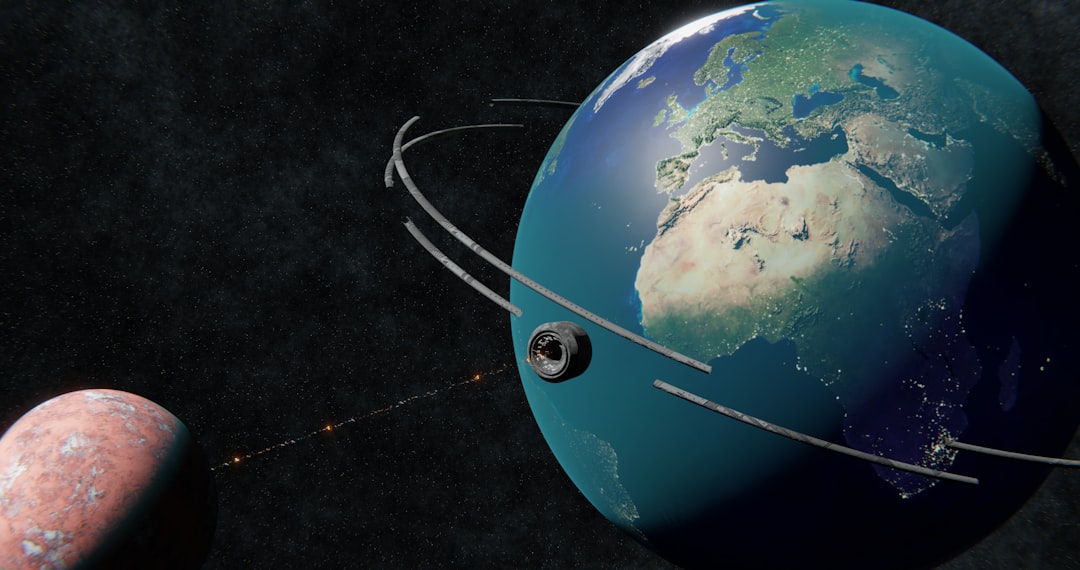
In 2026, NASA's use of lasers improves GPS systems, while AI brings both innovation and risks to Earth's orbital safety.
NASA has taken a significant leap in 2026 with new advancements in laser technology and artificial intelligence (AI), bringing both transformative capabilities and new security challenges to space exploration. From enhancing GPS accuracy to raising alarms about AI-related risks in Earth's orbit, the developments promise to shape the future of how we navigate and secure the final frontier.
Laser retroreflectors boost navigation precision
The 2026 deployment of NASA's laser retroreflector array delivers a major upgrade to global navigation systems. These devices reflect laser signals sent from Earth back to their source, improving the accuracy of GPS systems around the globe.
Traditional GPS relies on satellite signals to determine a receiver's location, but obstacles such as atmospheric interference can lead to errors. NASA’s new laser array minimizes these issues by allowing precise two-way tracking. With this advancement, applications like autonomous vehicles, military navigation, and even drone operations could benefit from significantly enhanced location services.
For industries dependent on precise timing and location data, this breakthrough adds a layer of reliability never before seen. For example, a delivery company using drones could reduce inefficiencies and ensure packages are delivered within centimeters of intended drop-off points.
AI in space: benefits and new threats
Artificial intelligence is often celebrated for its ability to manage complex systems in real time, and its applications in space technology are no exception. AI algorithms already assist with tasks like predicting satellite paths, automating spacecraft operations, and analyzing massive datasets from telescopic surveys. In 2026, however, NASA has also highlighted a darker side to AI's growing influence.
Cybersecurity concerns
In a stark warning, NASA pointed to AI's potential misuse in "hijacking" satellites. Cyber attackers could gain control of satellite systems, deliberately causing collisions or disrupting critical orbital paths, an event some experts are calling a possible 'satellite apocalypse.' The implications are severe. Vital systems on Earth—such as internet communication, weather forecasting, and defense operations—depend on the seamless functionality of hundreds of satellites. Even a single attack could cascade into widespread disruptions.
A balancing act
The dual role of AI as both a solution and a threat underscores the need for robust cybersecurity frameworks. NASA has advocated for international policies and stricter regulations. Research is also focused on making satellites more resilient, equipping them not only with autonomous threat detection but also the ability to fend off real-time cyberattacks.
Practical implications on Earth
NASA’s recent advancements will likely affect more than just space exploration. The integration of high-precision lasers and AI-driven navigation could lead to everyday improvements on Earth:
- Transportation: Autonomous cars and public transit systems could rely on hyper-accurate GPS data enabled by NASA's laser systems.
- Shipping and logistics: Enhanced location data could streamline operations worldwide, cutting down costs and delivery times.
- National security: Governments could strengthen defensive systems reliant on satellite networks, ensuring greater resilience in case of attacks.
However, the flip side of advancing technology is the risk of misuse. The possibility of AI-driven cyberattacks on satellites calls for immediate attention both in national security planning and private sector protocol.
The future of exploration
Despite these concerns, both lasers and AI represent significant milestones in space exploration. With tools like retroreflector arrays refining navigation and AI optimizing satellite operations, humanity is better equipped to manage the complexities of orbit. At the same time, the race to secure space against cyber threats has begun in earnest.
By addressing these issues head-on, NASA and other global stakeholders are paving the way for more sustainable and secure advancements beyond Earth.
FAQ
What is a laser retroreflector? A laser retroreflector is a device that reflects laser beams back to their source, allowing precise tracking and measurements.
How does AI pose threats to satellites? AI could potentially be used to hijack satellite controls, leading to intentional collisions or disruption of critical data networks.
Did NASA propose solutions to cybersecurity risks? Yes, NASA advocates for international regulations on satellite security and is researching technologies that strengthen satellite defense against cyberattacks.
Why is precise navigation important? Improved navigation benefits industries like transportation, logistics, and defense, ensuring more reliable and accurate operations.
What is the 'satellite apocalypse'? The term refers to the possibility of widespread satellite failures caused by security breaches, which could severely disrupt global systems like internet access and weather forecasting.
Comments
Loading comments…


