Marshall Space Flight Center: A Key Contributor to NASA's Space Missions
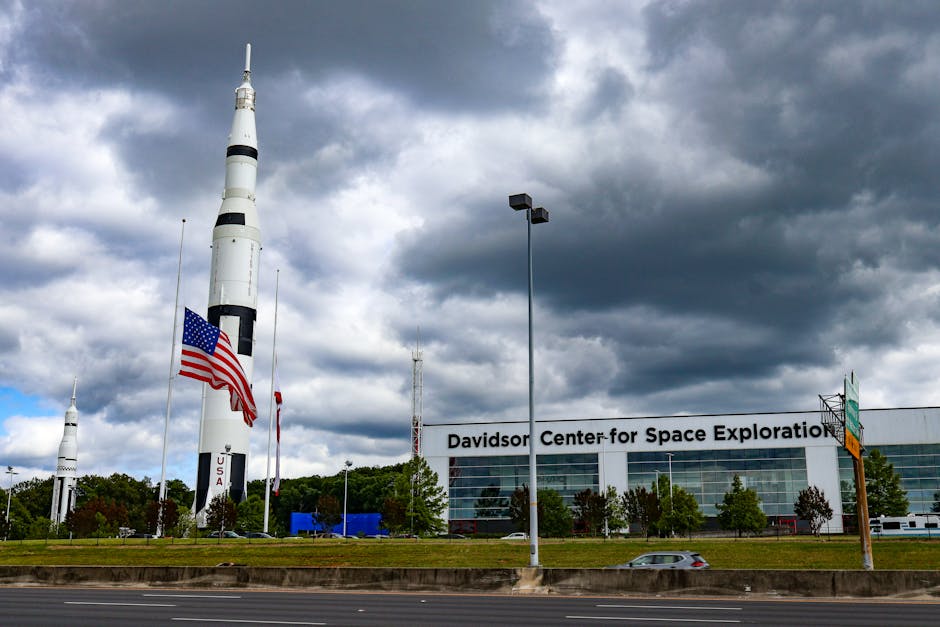
The Marshall Space Flight Center in Huntsville, Alabama, plays a pivotal role in NASA’s space exploration, including the Artemis Program and the Space Launch System.
The Marshall Space Flight Center, located in Huntsville, Alabama, is a cornerstone of NASA's efforts in space exploration. For decades, this facility, often referred to simply as Marshall, has been instrumental in some of the most ambitious projects that NASA has undertaken. In 2026, Marshall continues to command attention with its vital contributions to advancements in space technology and human spaceflight.
A Historic and Ongoing Influence
Huntsville, known as the Rocket City, earned its nickname for its long-standing association with aerospace engineering and research. While it’s home to various industries, few are as significant as NASA’s Marshall Space Flight Center. Since its founding in 1960, Marshall has been a hub for propulsion systems, space engineering, and groundbreaking scientific research. Today, it retains its status as one of NASA’s most important facilities.
Core Responsibilities
The Marshall Space Flight Center is the epicenter for several high-profile NASA projects. Among its most notable responsibilities are:
- Space Launch System (SLS): This next-generation rocket is key to NASA’s ambitious moon and Mars missions. The SLS is also a cornerstone of the Artemis Program.
- International Space Station Research: Marshall spearheads a wide range of scientific research and experiments conducted aboard the ISS, ensuring progress in fields like medicine, materials science, and Earth observations.
- Propulsion and Space Engineering: Marshall plays a crucial role in developing and testing propulsion systems for current and future spacecraft.
The Artemis Program: A Return to the Moon
Arguably the most publicized NASA mission in recent years, the Artemis Program plans to return humans to the moon. Marshall is deeply involved in this effort, with the SLS serving as the backbone of Artemis missions. The Artemis Program aims to establish a sustainable human presence on the moon and lay the groundwork for future manned missions to Mars.
Huntsville’s connection to the Artemis Program highlights its significance in NASA’s path forward. From rocket development to mission logistics, the city continues to contribute resources and expertise vital to the program’s success.
Why Huntsville Matters
While NASA operates facilities across the country, Huntsville’s Marshall Space Flight Center stands out for its specialized focus areas. The city has cultivated a strong aerospace ecosystem that attracts talent from around the world. Beyond NASA, Huntsville is home to contractors and private space companies that further enhance its reputation as a global leader in aerospace.
This interwoven network of expertise, paired with a rich history of achievement, ensures Huntsville continues to remain pivotal in advancing U.S. space exploration. To work for NASA or any supporting industry in Huntsville means being part of a legacy that directly impacts humanity’s understanding and use of space.
What’s Next for Marshall?
With the Artemis missions ramping up and ongoing projects like ISS research, Marshall’s future looks busy and promising. Continued advancements in propulsion systems and a focus on innovative space engineering will keep the facility at the forefront of space exploration. Huntsville's significance within NASA reflects the collective effort of a community driven by science, engineering, and exploration.
Takeaways
- The Marshall Space Flight Center contributes to some of NASA's biggest projects, including the Artemis Program and the Space Launch System.
- Huntsville, Alabama, has earned its "Rocket City" moniker thanks to its long-standing role in U.S. space exploration.
- Marshall is instrumental in international space collaboration, propulsion technologies, and cutting-edge scientific research.
- The Artemis Program seeks to bring humans back to the moon and eventually pave the way for manned Mars missions, with Marshall playing a critical role in its success.
As NASA’s missions continue to evolve, Huntsville and the Marshall Space Flight Center will undoubtedly remain vital players in these groundbreaking efforts to explore humanity's final frontier.
Staff Writer
Emily covers space exploration, physics, and scientific research. Holds a degree in astrophysics.
Comments
Loading comments…


