NASA Artemis II Launch: Crew Begins Historic Journey to the Moon
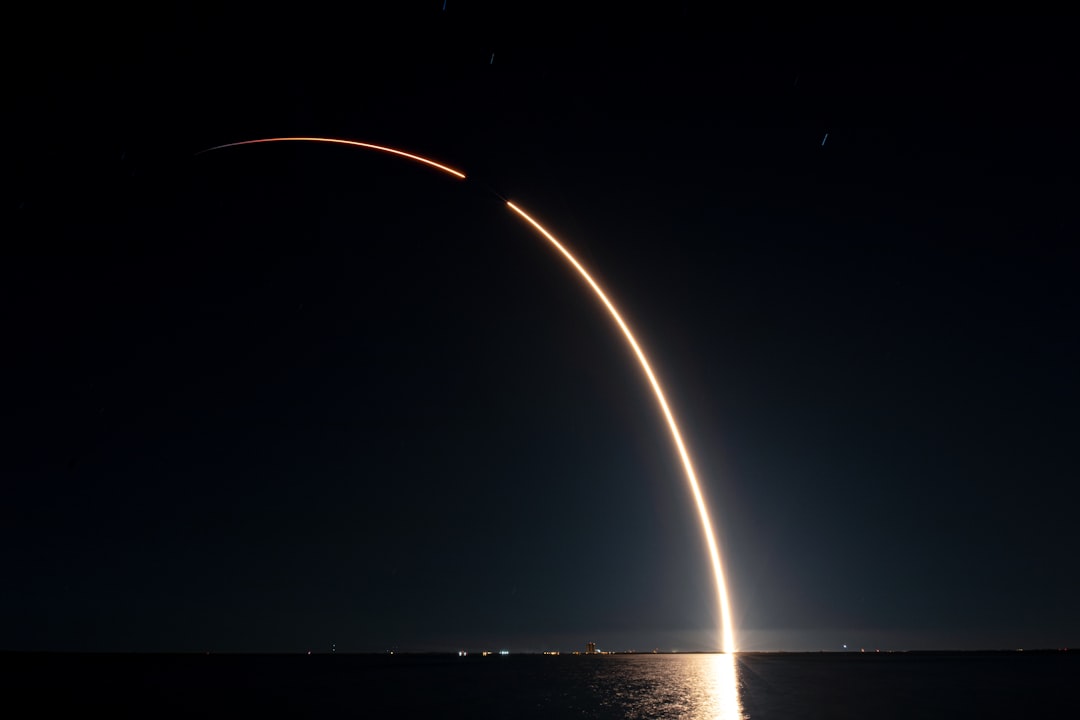
NASA's Artemis II has successfully launched, marking humanity's return to crewed lunar missions after over 50 years.
NASA’s Artemis II mission has officially begun, with its four-person crew lifting off on April 1, 2026, at 6:24 p.m. ET from Kennedy Space Center in Florida. This mission marks the first crewed lunar endeavor in over five decades, following in the historic footsteps of Apollo 17 in 1972. Riding atop the mighty Space Launch System (SLS) rocket, the Orion spacecraft is currently orbiting Earth as it gears up for its monumental journey to the Moon.
A Carefully Executed Liftoff
NASA’s Space Launch System, the most powerful rocket ever built, performed flawlessly during the Artemis II launch. The spacecraft successfully entered Earth orbit, where mission controllers completed thorough system checks of Orion’s engines, instruments, and other critical onboard systems. As of now, all systems have been verified and cleared for the next stage of the mission.
Orion, NASA’s next-generation crew vehicle, floats above Earth, awaiting its trans-lunar injection (TLI) burn. This maneuver will use the spacecraft's service module main engine to propel the crew out of Earth’s orbit and set a course for the Moon. Once initiated, this phase will transition the crew into a four-day journey towards lunar orbit.
Why Artemis II Matters
Artemis II is a pivotal moment for space exploration. It represents not just a technological triumph but also a symbolic return to lunar exploration for humanity. The Artemis program aims to establish a sustainable human presence on and around the Moon, with aspirations of serving as a stepping stone for future missions to Mars.
The four astronauts onboard Artemis II are tasked with evaluating Orion’s life-support systems and other mission-critical technologies during this 10-day mission. These tests are designed to ensure the spacecraft’s readiness for Artemis III, which will aim to land humans on the lunar surface, including the first woman and the first person of color.
A Historical Echo and a New Chapter
The significance of Artemis II is amplified by its connections to the Apollo era. Apollo 17, launched in December 1972, was the final mission of the Apollo program that landed humans on the Moon. Over 50 years later, Artemis II builds on the legacy of that program while incorporating modern advancements in engineering, science, and international collaboration. The Artemis program, for instance, involves partnerships with the European Space Agency and private sector innovators, making it a truly global effort.
What’s Next for the Artemis II Crew?
Once the trans-lunar injection burn occurs, Artemis II will leave Earth orbit and head into deep space. Over the course of four days, the crew will monitor Orion’s performance as it travels approximately 238,855 miles to the Moon. The mission isn’t just about putting astronauts near the Moon; the crew’s observations and data collection will play an essential role in informing future missions.
After reaching its maximum distance from Earth, Artemis II will enter a looping orbit around the Moon before returning to Earth. The total mission will last approximately 10 days, concluding with a high-speed re-entry and splashdown in the Pacific Ocean. NASA plans to meticulously analyze every stage of the mission to validate the safety and design of its systems for subsequent crewed lunar landings.
The Broader Vision of Artemis
Artemis II is just the second step in NASA’s broader Artemis program. Artemis I, an uncrewed mission launched in November 2022, successfully tested the SLS rocket and Orion spacecraft. With Artemis II verifying Orion's human-rated capabilities, Artemis III is set to achieve the next major milestone: humanity’s return to the lunar surface.
NASA envisions the Moon as more than a destination; it’s a proving ground for sustainable space exploration. Future Artemis missions aim to establish the Lunar Gateway, a space station orbiting the Moon, and long-term lunar habitats. These developments will provide the infrastructure and experience necessary to send astronauts to Mars within the next two decades.
Viewing History in Real Time
The Artemis II mission reminds us of the unparalleled excitement and inspiration space exploration brings. This milestone not only showcases NASA’s engineering excellence but also marks a new chapter in human curiosity and ambition. If Artemis II succeeds, it will solidify the foundation for an era of exploration that extends farther into the solar system than ever before.
Stay tuned as the Artemis II spacecraft begins its journey to the Moon. With history unfolding, this mission represents a shared triumph for humanity and a glimpse into the future of space exploration.
Staff Writer
Emily covers space exploration, physics, and scientific research. Holds a degree in astrophysics.
Comments
Loading comments…


