NASA faces proposed $5.6 billion budget cut: science missions at risk
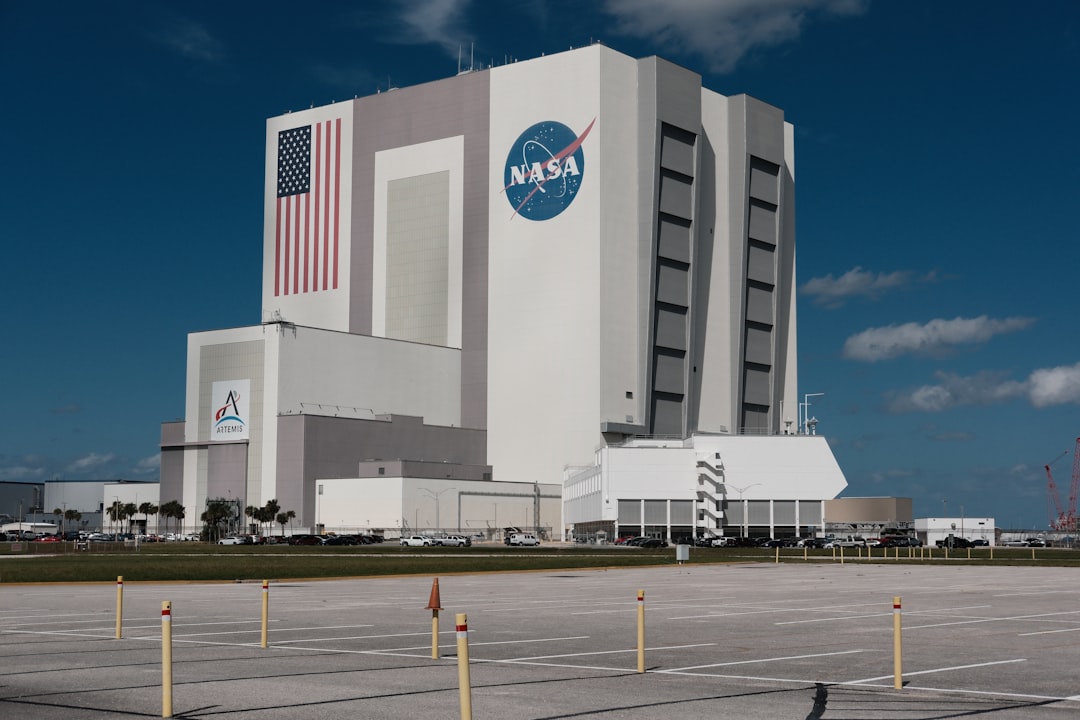
The proposed $5.6 billion NASA budget cut protects the Moon-focused Artemis program but jeopardizes Earth science, astrophysics, and planetary exploration.
On April 3, 2026, the White House unveiled a budget proposal that could fundamentally reshape NASA’s priorities for years to come. The proposal for fiscal year (FY) 2027 slashes the agency’s funding by $5.6 billion, reducing its budget from $24.4 billion to $18.8 billion—a 23 percent reduction in one stroke. While the lunar-focused Artemis program emerges largely unscathed, other critical scientific research faces potentially catastrophic cuts.
A breakdown of the numbers
Science missions are bearing the brunt of the proposed reductions. NASA’s Science Mission Directorate would lose $3.4 billion, leading to the cancellation of over 40 missions deemed “low priority.” These cancellations target various fields, including Earth science programs, astrophysics research, and planetary exploration. Missions studying climate change, distant galaxies, and asteroids remain imperiled under the proposed budget.
The Artemis program, however, is protected from these cuts. The program has been allocated $8.5 billion, a figure that represents a substantial portion of NASA's overall reduced budget. As part of a broader U.S. goal to maintain a strong presence in space exploration, Artemis aims for a crewed Moon landing by 2028. The White House prioritizes this program, signaling a desire to dominate lunar exploration amid international competition—particularly from China.
Wider federal context
NASA is not alone in facing budgetary constraints. The proposed reductions are part of a broader initiative by the White House to slash non-defense discretionary spending across federal civilian and science agencies. The plan calls for a $73 billion total reduction, constituting a 10 percent cut. In this environment, science programs at NASA become part of a larger debate about how public funds should be divided.
Workforce impacts and human costs
NASA has already felt the pressure of shrinking budgets. Since former President Donald Trump returned to office, the agency’s workforce has been reduced by 20 percent, dropping from over 18,000 to approximately 14,000 employees. The reduction stems from layoffs, buyout offers, and deferred resignations. This contraction threatens not just the agency’s current mission capacity but also its ability to recover if and when funding is restored.
These workforce reductions compound the sense of an agency in retreat. NASA has long been regarded as a global leader in space science, yet its most ambitious scientific studies could grind to a halt if these cuts are implemented. For many in the space community, the proposed budget sends a clear message: focus on the Moon at the expense of understanding the universe.
Political precedent: will Congress block the cuts?
This is not the first attempt to limit NASA’s budget. Lawmakers already rejected a similar proposed cut for FY2026. Congress ultimately intervened to keep NASA’s funding stable, allowing the agency to continue many of its ongoing missions. Whether history will repeat itself for FY2027 remains to be seen, but there are precedents for bipartisan support of NASA science. Many members of Congress recognize the long-term value of Earth sciences, astrophysics, and planetary exploration for both the United States and the world.
Additionally, public advocacy has historically played a role in influencing budgetary decisions. The cancellation of major science missions often sparks significant public outcry, placing pressure on lawmakers to reconsider funding priorities.
What’s at stake?
The potential mission cancellations encompass a wide array of scientific initiatives. Earth science programs, which provide critical data on climate change, weather patterns, and natural disasters, could face the axe. These programs not only inform policymakers but also equip governments worldwide to respond to the challenges of a warming planet.
Astrophysical research efforts meant to explore the origins of the universe or detect exoplanets orbiting distant stars are also in jeopardy. The ripple effects of terminating such missions extend beyond NASA; these programs support collaborations with international space agencies and academic institutions worldwide.
Planetary exploration, considered by many to be the crown jewel of NASA’s scientific endeavors, is at risk as well. Potential missions to study asteroids, Mars, and outer gas giants like Jupiter and Saturn may either be delayed indefinitely or canceled outright.
Why the Moon matters—but at what cost?
The Artemis program, which consumes a substantial share of NASA’s proposed budget, reflects the U.S. government’s prioritization of human exploration over robotic and observational science. The Moon is seen as a stepping stone for wider ambitions, including a future crewed Mars mission. Advocates argue that sustained lunar exploration will provide valuable experience in operating extraterrestrial habitats, testing new technologies, and asserting a geopolitical presence in an increasingly competitive space race.
Critics, however, question whether the heavy investment in Artemis justifies starving other scientific programs. They point out that NASA’s science portfolio serves vastly different—and equally vital—purposes. Science missions advance human understanding, foster international cooperation, and yield tangible benefits, such as advancements in satellite technology and climate change monitoring.
The crossroads ahead
NASA’s proposed budget for FY2027 forces an impossible choice: focusing on one destination, the Moon, at the expense of understanding the myriad questions that define the universe. As Congress begins deliberations on the appropriations bill, the agency’s future hangs in the balance. Past budget battles suggest that congressional intervention could temper the worst of the cuts. Still, the outcome is far from guaranteed.
The broader public has a role to play. As debates continue, the level of public and scientific community engagement could influence congressional priorities. Whether Artemis can coexist with a thriving science division—or whether one will be sacrificed for the other—will have long-lasting implications for the trajectory of American space exploration.
For now, the Moon’s gain may very well be science’s loss, leaving us all with an open question: is that a price worth paying?
Staff Writer
Emily covers space exploration, physics, and scientific research. Holds a degree in astrophysics.
Comments
Loading comments…


