NASA targets February 2026 for Artemis II moon mission with Orion capsule
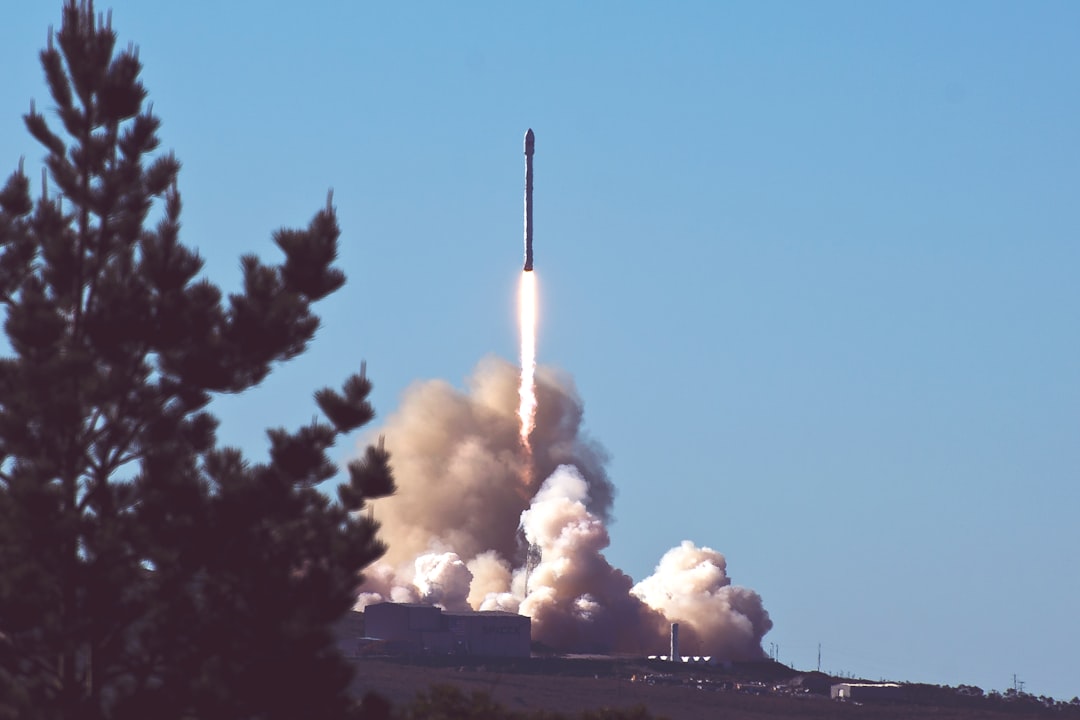
NASA’s Artemis II mission, featuring a 9.5-day crewed orbit around the moon, is scheduled for February 2026, advancing lunar exploration goals.
NASA’s Artemis program continues to move forward, announcing February 2026 as the launch timeframe for Artemis II, the eagerly awaited first crewed mission in the initiative aimed at returning humans to the moon. While this mission won’t involve a lunar landing, it serves as a critical test flight that lays the groundwork for future Artemis missions, including the ultimate goal of establishing a sustainable human presence on the moon.
The Artemis II crew: Bringing experience and camaraderie
The Artemis II crew consists of three Americans—Victor Glover, Christina Koch, and Jeremy Hansen—and one Canadian astronaut, Jeremy Hansen. They have been working together as a cohesive team for over two years, dedicating themselves to the rigorous training required for this mission.
Victor Glover has described the Orion spacecraft as almost feeling like a second home, remarking that the environment is designed to provide a sense of comfort and security despite its metal and plastic construction. This camaraderie will be pivotal during the mission, especially given its nine-and-a-half-day duration in an Orion capsule roughly the size of a minivan. With four astronauts working in such close quarters, team dynamics will play a vital role in the mission's success.
Canadian astronaut Jeremy Hansen has joked about his larger physical size, acknowledging that it may make things a bit cozier aboard the spacecraft. Despite these challenges, the crew’s preparation and teamwork aim to ensure the mission operates smoothly under such constraints.
Artemis II mission details
The Artemis II mission will not include a moon landing. Instead, the focus is on testing every aspect of the mission's systems to ensure that future lunar landings can proceed safely and efficiently. From the launch sequence to the spacecraft's trajectory around the moon and its return to Earth, every step will be evaluated to mitigate risks for subsequent missions.
Key mission goals include:
- Testing the Orion spacecraft's life support and communication systems under real mission conditions.
- Validating procedures for both the spacecraft and ground systems.
- Gathering critical data to optimize hardware and protocols for Artemis III and beyond.
This mission also plays a symbolic role, as it represents humanity’s first step in returning to the moon after more than five decades, following the Apollo program.
Naming the Orion capsule: "Integrity"
One unique aspect of the Artemis II mission is the crew’s involvement in selecting a name for their Orion spacecraft. After intensive discussions, they chose the name "Integrity," reflecting their values and the importance of trustworthiness in such an ambitious endeavor. The name encapsulates not only the team’s spirit but also NASA’s commitment to transparency and precision in its lunar exploration efforts. NASA has yet to formally announce any approval for the name, making this a possible detail to watch as the mission nears its launch date.
What comes next?
Artemis II is a precursor to Artemis III, the mission intended to return humans to the lunar surface for the first time since Apollo 17 in 1972. While Artemis III is planned to include a moon landing near the lunar south pole, Artemis II focuses on rehearsing every aspect of a crewed lunar flight apart from the actual landing.
The ultimate long-term goal of the Artemis program is to establish a sustainable human presence on the moon by the end of this decade. Key to this is the Gateway, a lunar orbiting space station that will serve as a staging post for lunar missions and eventual crewed Mars expeditions.
Recap on Artemis II’s mission profile
Mission Duration: 9.5 days
Crew: Victor Glover, Christina Koch, Reid Wiseman, Jeremy Hansen
Spacecraft: Orion capsule, named "Integrity" (pending approval)
Launch Timeline: February 2026
Objective: Test all mission stages in preparation for future lunar landing missions
Practical takeaways
- The Artemis II mission focuses on operational readiness for future crewed lunar missions, aiming to reduce risk and refine systems for subsequent explorations.
- Astronauts will operate in an extremely confined space, highlighting the importance of teamwork and pre-flight preparation. The performance of life support systems will also be rigorously tested.
- If Artemis II succeeds, it will significantly boost confidence for Artemis III, which aims to achieve a human landing.
FAQ
Will Artemis II land on the moon?
No, Artemis II will not land on the moon. It is a test flight to orbit the moon and return to Earth, ensuring that systems are reliable for a future landing mission (Artemis III).
Who are the Artemis II crew members?
The crew consists of astronauts Victor Glover, Christina Koch, Jeremy Hansen, and Reid Wiseman. It is the first crewed mission in NASA's Artemis program.
Why is Artemis II considered a crucial step?
Artemis II allows NASA to validate the spacecraft and mission protocols under realistic conditions. It ensures that risks are minimized for Artemis III, which will involve a human lunar landing.
What is the significance of the Orion spacecraft's name, "Integrity"?
The crew selected the name "Integrity" to reflect their values of trust, precision, and teamwork during this critical step in lunar exploration. The name has yet to receive final approval from NASA.
Conclusion
Artemis II marks a significant milestone as NASA accelerates its countdown toward sustainable human exploration of the moon. With its February 2026 launch date approaching, the mission represents both a test of technological maturity and a testament to human ingenuity and collaboration. Eyes now turn to Kennedy Space Center, awaiting the day the Orion spacecraft, with the Artemis II crew aboard, makes its journey to orbit the moon.
Staff Writer
Emily covers space exploration, physics, and scientific research. Holds a degree in astrophysics.
Comments
Loading comments…


