Progress 95 cargo ship launches to resupply International Space Station
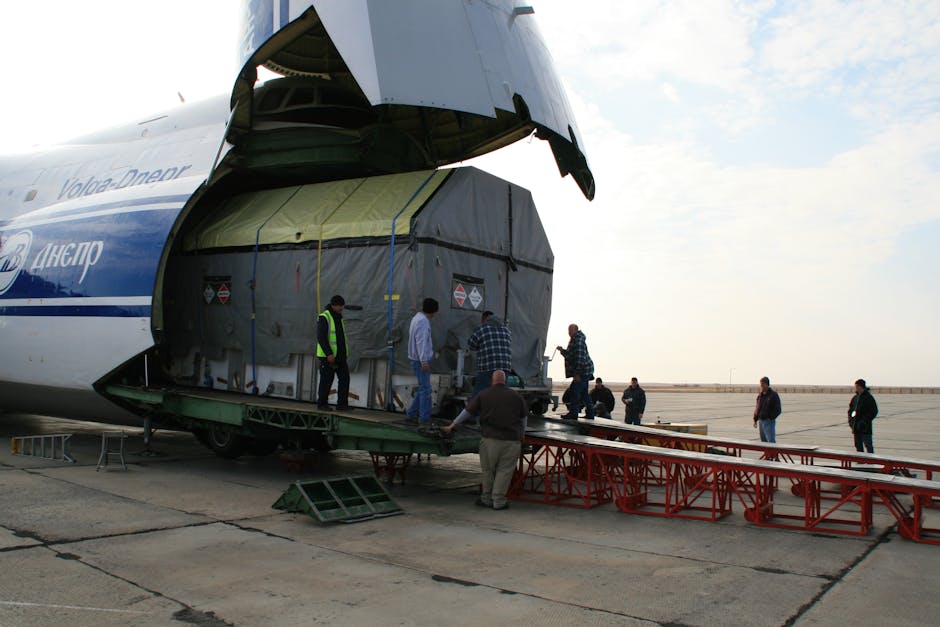
The Progress 95 cargo ship launched successfully aboard a Soyuz 2.1a rocket, delivering 2.8 tons of supplies to the ISS.
The Progress 95 cargo ship successfully launched on April 26 at 5:21 PM Central Time (6:21 PM Eastern), initiating a critical resupply mission for the International Space Station (ISS). The uncrewed spacecraft was propelled into orbit by a Soyuz 2.1a rocket from Launch Pad 6 at Site 31 of the Baikonur Cosmodrome in Kazakhstan. It is carrying 2.8 tons of essential supplies destined for the ISS's Expedition 74 crew.
A flawless launch sequence
The launch process was timed to perfection, marking a smooth eight-minute and 46-second ascent into orbit. The Soyuz 2.1a rocket, a three-stage workhorse, delivered the Progress spacecraft into its preliminary orbit without incident.
The flight followed this timeline:
- T+1:58 – First-stage separation, with boosters detaching.
- T+3:03 – Jettisoning of the protective launch shroud.
- T+4:47 – Second-stage separation and ignition of the third stage.
- T+8:46 – Third-stage shutdown and separation, completing the climb to orbit.
Shortly afterward, Progress 95 unfurled its solar arrays and navigational antennas, confirming that it was operational and ready to embark on its two-day journey to the ISS. Throughout this process, the Soyuz rocket performed nominally, drawing praise from the launch controllers both in Baikonur and the Russian Mission Control Center in Korolyov, near Moscow.
Delivering critical supplies
Progress 95 is delivering a carefully allocated 2.8 tons (5,748 pounds) of supplies:
- 2,971 pounds of dry cargo, including food, equipment, and scientific tools.
- 1,741 pounds of fuel to sustain ISS operations.
- 926 pounds of water, a vital resource for the onboard crew.
- 110 pounds of oxygen and air to keep the life-support systems running smoothly.
This mission comes just days after the aft port of the Zvezda service module was vacated by Progress 93, which had completed a seven-month stay. The freshly vacated port is prepped for Progress 95’s automated docking, scheduled for Monday, April 28, at 7:00 PM Central Time (8:00 PM Eastern).
Automated docking procedure
Progress spacecraft are equipped with an automated rendezvous system designed to handle docking autonomously with minimal human intervention. However, as a precaution, the ISS crew commander Sergey Kud-Sverchkov, along with fellow Roscosmos cosmonaut Sergey Mikheyev, will be on hand to activate the TORU manual docking system if necessary.
The meeting of the spacecraft and the ISS will involve a series of orbital adjustments, known as delta-velocity burns, to synchronize Progress 95’s trajectory and speed with that of the ISS. Upon reaching the vicinity of the station, it will conduct a precise fly-around maneuver to align with its docking target. The operation will conclude when Progress 95 latches onto the aft docking port of the Zvezda module.
Crew onboard the ISS
The International Space Station is home to seven crew members from multiple space agencies, forming Expedition 74:
- Sergey Kud-Sverchkov (commander), Sergey Mikheyev, and Andrei Fadeev (Roscosmos).
- NASA astronauts Chris Williams, Jessica Meir, and Jack Hathaway.
- Sophie Adeno (European Space Agency).
At the time of Progress 95’s liftoff, the crew was over the South Atlantic, asleep but positioned to begin receiving updates as their new supplies approach.
The Soyuz 2.1a: A reliable partner
The Soyuz 2.1a rocket has consistently proven its capabilities. This three-stage vehicle is tailored for missions like today’s, efficiently deploying cargo craft and crewed vehicles to low Earth orbit. The over 260-mile-high path to the ISS involves precise timing and coordination between ground controllers and the spacecraft’s automated systems.
What comes next?
Progress 95’s docking on Monday night will be followed by cargo unloading and integration into ISS systems by Tuesday morning. Astronauts Kud-Sverchkov and Mikheyev will oversee these operations. The supplies will provide critical support for the next phase of the Expedition 74 mission, which includes research, maintenance, and preparation for upcoming international missions.
This mission is yet another example of the intricate cooperation required to sustain humanity’s presence in low Earth orbit. From pre-launch preparations to precise orbital maneuvers, the resupply effort exemplifies the well-oiled collaboration between Roscosmos, NASA, and their international partners.
Progress missions demonstrate the balance between automation and human oversight. As technology advances, missions like these pave the way for more ambitious endeavors, whether to deep-space outposts or eventually Mars. For now, Progress 95’s successful launch keeps the ISS supplied, ensuring the crew remains equipped to continue humanity’s exploration of space.
Staff Writer
Emily covers space exploration, physics, and scientific research. Holds a degree in astrophysics.
Comments
Loading comments…


