SpaceX’s 2026 Challenges: Can Starship Meet Artemis Deadlines?
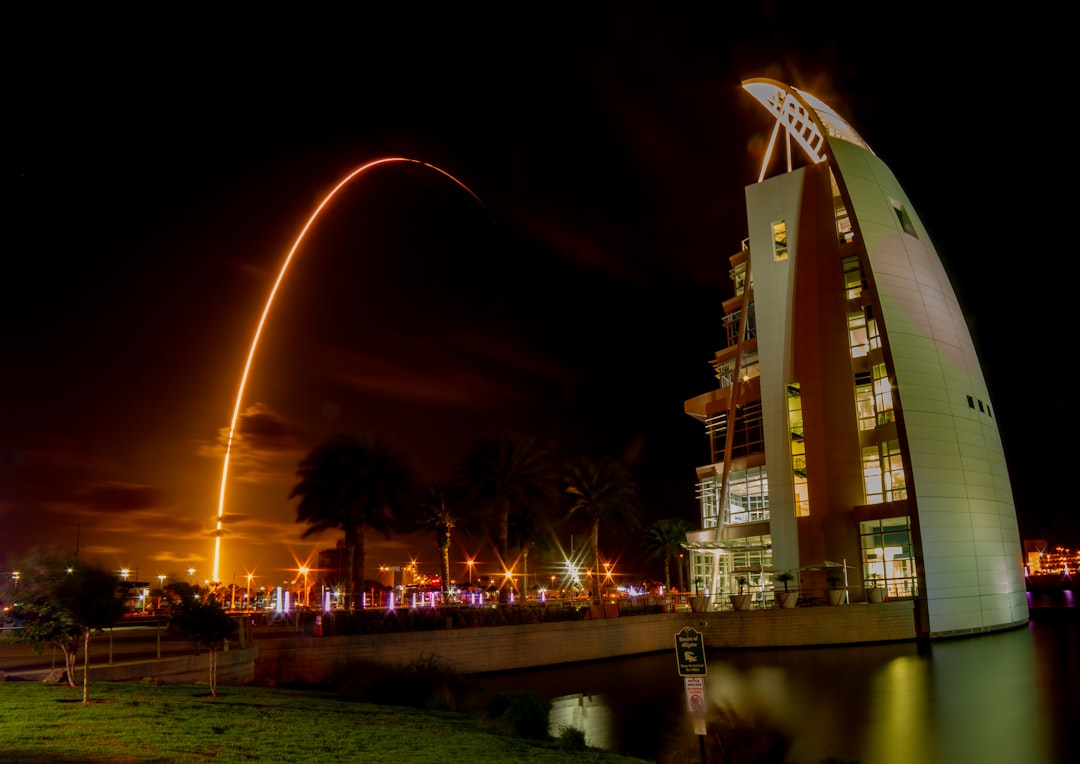
SpaceX faces mounting challenges in preparing Starship for NASA’s Artemis missions. A look at key milestones, setbacks, and what’s needed for 2026.
A Race Against Time for SpaceX's Starship
The year 2026 represents a critical period for SpaceX as it ramps up efforts to prepare its Starship rocket for NASA’s Artemis lunar missions. With milestones piling up and delays pressing hard on the timeline, one looming question remains: can SpaceX stay on track to demonstrate Starship’s readiness for these high-stakes missions to the moon and beyond?
Although NASA’s Artemis 3, which was once planned as the first lunar landing by astronauts, has now been rescheduled as a docking demonstration set for 2027, SpaceX’s Starship must nevertheless meet a series of technical benchmarks. The pressure is mounting, and the timeline is unforgiving. Here’s what SpaceX needs to accomplish, the challenges it faces, and why the 2026 deadline is so crucial.
Critical Milestones for Starship in 2026
Preparing Starship for NASA’s Artemis missions entails a series of increasingly complex tests and demonstrations. Here are the major benchmarks SpaceX must achieve:
Upgraded Starship V3 Demonstration
One of the first tasks is to demonstrate the new Starship design, dubbed V3. This updated version incorporates improvements aimed at solving prior stability issues while enabling scalability for future missions. The expected Flight 12, slated for no earlier than April 2026, will be a crucial litmus test for these upgrades.
Successful Orbital Launch
SpaceX has yet to conduct a fully successful orbital flight of Starship. Reaching orbit remains one of the most urgent objectives. Despite regulatory delays and technical setbacks, this milestone is essential before other mission-critical operations can proceed.
Payload Deployment Readiness
Deploying a real payload is another benchmark on SpaceX’s 2026 agenda. Successfully achieving this would demonstrate Starship’s ability to carry cargo—whether satellites, infrastructure components, or supplies for lunar missions—into orbit or beyond.
Two-Stage Landing Via the Mechazilla System
Landing Starship’s upper stage presents a distinct challenge. While the Superheavy booster has demonstrated tower catches with the Mechazilla arms on the launch pad, catching the second stage adds another level of complexity. It requires pinpoint precision during both reentry and capture operations.
Orbital Refueling Tests
Refueling in orbit is vital for long-duration missions beyond Earth, including lunar operations and eventual Mars exploration. While perhaps less critical for 2026, SpaceX must at least begin early development and testing of the orbital refueling system to keep long-term goals on track.
Obstacles Slowing Progress
While the Artemis program provides clear objectives, SpaceX faces an increasing number of hurdles on both technical and regulatory fronts.
Delayed Launches and Development
Flight 12 was initially anticipated as early as January 2026. However, setbacks—such as the explosion of prototype B18 during testing—have pushed the earliest potential date to April. This means nearly the entire first quarter of 2026 will pass without a single Starship launch. Such delays put enormous pressure on the latter part of the year.
Caution vs Speed
SpaceX is adopting a cautious approach to testing the new Starship version, prioritizing success over rushing to launch. While this caution minimizes the risk of high-profile failures, it compresses the launch schedule, leaving less room for error later in the year. To meet its objectives, SpaceX may need to ramp up its launch cadence to one mission every two months at minimum.
Regulatory and Supply Chain Barriers
Past flights have encountered delays stemming from regulatory reviews, and there’s no guarantee these obstacles won’t arise again. Additionally, building and maintaining an adequate supply of test vehicles—a crucial factor for high-frequency launches—depends on resolving bottlenecks in production and assembly.
NASA’s Evolving Artemis Mission Timeline
One factor slightly alleviating the pressure is NASA’s shifting Artemis mission timeline. Originally slated for 2027 as a lunar landing mission, Artemis 3 has been redefined as a docking demonstration in Earth orbit. The actual human lunar landing has been pushed to Artemis 4 and Artemis 5, now planned for 2028.
This delay gives SpaceX more time to finalize its lunar landing system, but it does not reduce the scrutiny on Starship’s capability to meet Artemis 3 goals. Competing with Blue Origin, which is also developing a lunar lander for Artemis, further adds to the stakes.
The Importance of Artemis 3
Artemis 3 will test the docking of NASA’s Orion spacecraft with one or more lunar landers. This mission is a proving ground for competing systems, including Starship. If SpaceX cannot demonstrate Starship’s reliability, it risks falling behind in the race to play a pivotal role in future lunar exploration.
Why the Moon Matters for SpaceX
Elon Musk has repeatedly emphasized SpaceX’s long-term goal of colonizing Mars. However, the moon is an essential stepping stone for developing the technologies needed for sustained interplanetary operations.
Advantages of Lunar Infrastructure
Returning to the moon is about more than symbolic achievements. Establishing permanent lunar infrastructure offers key strategic advantages:
- Water Ice Utilization: Provides life support and can be turned into rocket fuel.
- Resource Extraction: Supports construction and manufacturing on the lunar surface.
- Cargo Requirements: Starship’s massive payload capacity would make it indispensable for building out lunar bases.
SpaceX vs Blue Origin: Competitive Tension
While SpaceX dominates the commercial launch sector, Blue Origin poses a growing threat in the realm of lunar missions. Blue Origin’s more traditional lander design is often viewed as conservative, yet potentially more reliable, especially in the early phases of lunar development. SpaceX must demonstrate that Starship’s advanced capabilities justify its more ambitious design.
Any significant achievements by Blue Origin in this arena could disrupt SpaceX’s dominance. But Starship offers transformational opportunities, especially regarding large-scale logistics, which could set SpaceX apart if goals for 2026 and 2027 are met on time.
Key Takeaways Moving Forward
- Challenges Ahead: SpaceX faces technical and regulatory hurdles with a compressed timeline. Every 2026 mission must succeed with minimal delays.
- Mission Readiness: Orbital flight, payload deployment, two-stage landings, and other milestones will shape Starship’s readiness for Artemis 3 and beyond.
- Long-Term Goals: Mastery of lunar exploration will act as a springboard for future ambitions on Mars, reinforcing the importance of Artemis missions in SpaceX’s broader strategy.
- Competition with Blue Origin: Successfully meeting NASA’s demands may secure Starship’s role in lunar development, but the gap with Blue Origin could narrow if SpaceX stumbles.
Conclusion
SpaceX enters 2026 with no time to waste. Every successful test will inch the company closer to proving Starship’s readiness for NASA’s Artemis lunar missions. However, the road is cluttered with challenges ranging from tight schedules to technical demands. If it can stay the course, Starship’s massive payload capacity and advanced capabilities could revolutionize lunar exploration and position SpaceX as a dominant force in sustaining a permanent human presence beyond Earth. While delays in the Artemis timeline provide some breathing room, the clock is ticking—not just for SpaceX, but for humanity’s return to the moon.
Staff Writer
Emily covers space exploration, physics, and scientific research. Holds a degree in astrophysics.
Comments
Loading comments…


