10 Smart Home Gadgets That Can Save You Over $1,000 Annually
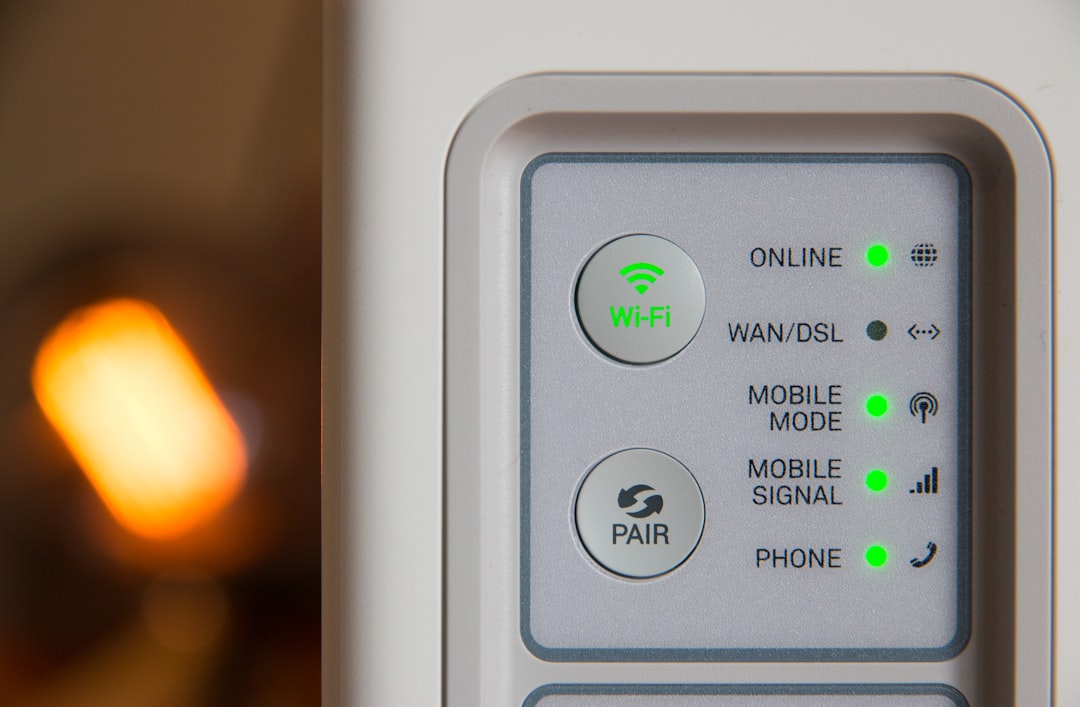
From smart thermostats to motorized shades, here are 10 devices designed to cut energy costs and boost household efficiency.
Smart home technology isn’t just about convenience and futuristic features—it can also save you money. A judiciously assembled smart home can dramatically reduce heating, cooling, lighting, and water-related expenses. Here, we explore ten gadgets that could collectively save you over $1,000 annually, making these investments worthwhile for both the planet and your wallet.
1. Ecobee Smart Thermostat Premium
Heating and cooling take up nearly 50% of an average energy bill. The Ecobee Smart Thermostat Premium combats inefficiency with a multi-pronged approach. It comes equipped with a remote sensor that monitors which rooms are occupied, adjusting to heat or cool only where it’s needed. Geofencing technologies ensure the system dials down when the home is unoccupied. Integration with ecosystems like Apple HomeKit, Alexa, and Google Assistant ensures compatibility.
Priced around $250, the device also includes an air quality monitor and even doubles as a smart speaker. Installation advice: seal the wall hole behind the unit to improve temperature reading accuracy. While the app requires a small learning curve, the savings this device generates often pay for its cost within 12 months.
2. Sensibo Sky Smart AC Controller
For window units and mini-splits, the Sensibo Sky AC controller ensures your secondary cooling units aren’t energy hogs. Installing within line of sight of the AC unit, it adds features like geofencing and real-time climate adjustment. The Climate React feature fine-tunes cooling based on temperature and humidity settings.
While advanced automation features require a subscription to Sensibo Plus, it’s still a significant upgrade for non-centralized systems. Again, compatibility with major platforms like Alexa and Google Assistant makes it a versatile option. Minor annoyance: it relies on infrared signals, so the line of sight must remain clear.
3. Meross Smart Ceiling Fan Switch
Ceiling fans are an efficient cooling aid, costing only pennies to operate. The Meross Smart Ceiling Fan Switch automates their operation, dialing them down when rooms are unoccupied. With motor and light functions on dimmable LEDs, users gain control over airflow and ambiance. Its 2.4GHz Wi-Fi support and compatibility with all major platforms make it reliable. Do note, however, that it requires a neutral wire and doesn’t support dual-switch setups.
4. Philips Hue Smart Bulbs
Lighting might run quietly in the background, but it often constitutes a significant portion of monthly bills. The Philips Hue Smart Bulbs use just nine watts of power, providing the same brightness as a traditional 60-watt bulb. Leveraging dim features can reduce energy consumption by up to 75%. Moreover, the incredible lifespan of these bulbs—up to 25,000 hours—adds value. That said, the upfront cost can mount, especially when factoring in the Hue Bridge required for full functionality.
5. TP-Link Tapo S505 Smart Switch
If replacing all your bulbs with smart ones feels excessive, opting for the TP-Link Tapo S505 Smart Switch might be a smarter choice. Installing this switch makes conventional light fixtures smart, enabling scheduling and remote operation. At a fraction of the Philips Hue system’s cost, it integrates smoothly into most platforms via its Matter-certified connectivity. Be aware, though, that it requires specific wiring setups and only comes in a white finish.
6. SmartWings Motorized Blackout Shades
Windows exposed to direct sunlight can act as heat magnifiers in summer, driving HVAC utility bills up. The SmartWings Motorized Blackout Shades mitigate this by using specially layered thermally insulated fabric to regulate room temperature. Featuring Wi-Fi, Zigbee, and Thread connectivity, these smart shades are highly compatible with modern ecosystems. However, their price, especially when custom-sized, is steep. Still, even covering a few key windows could make a noticeable dent in energy use.
7. Kasa Smart Plug Power Strip HS300
Vampire power—standby electricity usage by devices like TVs and charging cables—is a silent energy drain. The Kasa Smart Plug HS300 allows for individual control of six smart outlets plus three standard USB ports. Its real-time energy monitoring feature lets you track and manage consumption. While it only supports 2.4GHz Wi-Fi and may occasionally drop connectivity, its functionality far outweighs these limitations.
8. Emporia View 3 Circuit Monitor
If you want a comprehensive picture of your home’s electricity use, the Emporia View 3 is invaluable. It uses sensors clamped to individual circuits in your electrical panel to provide detailed insights into energy consumption. The app offers real-time updates and cost breakdowns. Solar users benefit from net metering capabilities, while the system is over 98% accurate. Keep in mind—this system must be installed by a qualified professional due to risks associated with live electrical panels.
9. Rachio 3 Smart Sprinkler Controller
While electricity is the focus of many smart gadgets, water waste contributes heavily to utility bills. The Rachio 3 Smart Sprinkler Controller adjusts watering based on weather conditions, reducing outdoor water usage by 30-50%. It’s available in variants to suit small yards or multi-zone setups. Though its price point slightly surpasses that of basic timers, built-in weather intelligence ensures its savings outweigh the initial investment.
10. Aquanta Smart Water Heater Controller
Water heating traditionally represents the second-largest energy expense at home. The Aquanta Smart Water Heater Controller learns your household’s hot water usage patterns, heating only when necessary. The device is compatible with most electric and some gas water heaters, with built-in sensors to detect leaks. While rapid changes in hot water demand might throw off its learning-based algorithm, it still optimizes most regular usage scenarios effectively.
The Takeaway
The path to energy-efficient living doesn’t require adopting every smart device available. Prioritize areas with the highest potential savings—heating, cooling, and lighting being top contributors. Even just three strategically chosen gadgets could transform monthly expenses. Assessing your household’s specific inefficiencies helps guide which devices offer the best returns, potentially saving hundreds over time while contributing to a greener planet.
Staff Writer
Alex covers consumer electronics, smartphones, and emerging hardware. Previously wrote for PCMag and Wired.
Comments
Loading comments…


