Android vs iOS Apps: A Detailed Comparison
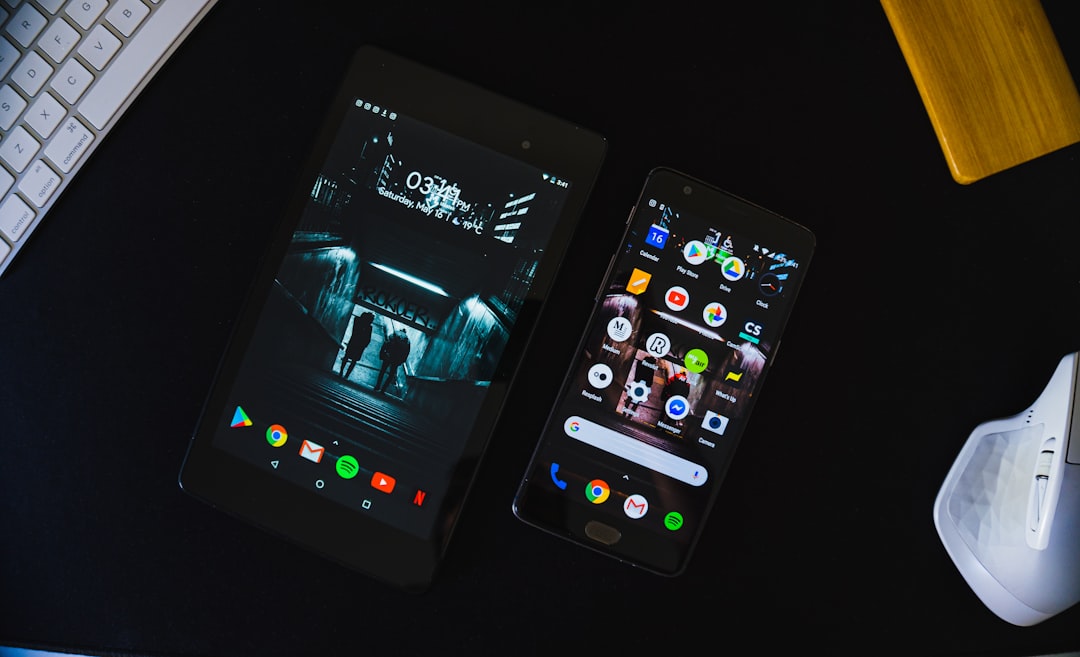
iOS apps consistently outshine Android apps in quality and revenue potential, but Android's flexibility offers unique advantages.
When comparing apps developed for Android and iOS, a clear pattern emerges: iOS apps tend to surpass their Android counterparts in quality and overall user experience. While Android offers flexibility and features that iOS cannot, developers and users often gravitate toward Apple's ecosystem for several compelling reasons.
iOS apps dominate in quality
Many apps available on both Android and iOS consistently deliver a better performance and user experience on iPhones. From seamless navigation to polished designs, the difference is noticeable across major app categories. For instance, everyday users often say they have yet to encounter a case where an Android app delivers a superior experience compared to its iOS counterpart.
This quality disparity boils down to multiple factors. Developers frequently optimize their apps for iOS first because of the uniformity of Apple’s hardware and operating system. With a limited range of devices, testing apps for iOS tends to be simpler and leads to more consistent results. On the other hand, Android's fragmented ecosystem, with its variety of hardware configurations, makes it difficult to guarantee uniformity.
Unique capabilities of Android
Despite its shortcomings in app quality, Android offers broader flexibility that appeals to specific users. The operating system allows apps to perform actions and access features that are not permitted on iOS due to Apple’s strict guidelines. For example, apps like Tasker provide highly customizable automations, letting users modify system-level settings to their preferences—a capability Apple doesn’t support.
Another standout example is the Pebble app for smartwatches. The app is far more feature-rich on Android due to the broader permissions available. This adaptability makes Android the go-to platform for power users and those seeking more control over their devices.
Key comparison: Android vs iOS app advantages
| Feature | Android | iOS |
|---|---|---|
| App quality and polish | Often inconsistent, varies across devices | Consistently high across all apps |
| System integration and tools | Highly customizable, apps like Tasker thrive | Limited to Apple-defined permissions |
| App availability across devices | Developers face hardware fragmentation | Uniform across all Apple devices |
| Strong app exclusivity | Rare “big” Android-exclusive apps | Many apps exclusive to iOS |
The iOS-first development mindset
One of the primary reasons iOS apps outperform their Android versions lies in developer priorities. Apple’s App Store generates significantly more revenue than Google’s Play Store. This is not mere conjecture but a well-acknowledged fact among app makers.
Developers know that iOS users are more likely to spend money on apps and in-app purchases, making the platform financially lucrative. As a result, developers often focus their resources on perfecting the iOS experience before considering Android. This becomes evident not only in dual-platform apps but also in the exclusive apps or features that developers roll out only for iOS.
Moreover, a phenomenon persists where many apps available for iOS don’t make it to Android at all. Some apps migrate to Android as inferior web apps or experimental half-baked versions. The perception often is that Android users, on the whole, are less willing to pay for premium apps. This creates a vicious cycle: fewer app developers prioritizing Android translates to a lack of high-quality apps on the platform.
Android's versatile ecosystem
While iOS holds an edge in terms of app quality, Android brings value through its ecosystem of freedom and variety. For developers and users interested in creating new functionalities that tap directly into phone hardware or OS-level modifications, Android is indispensable. This freedom makes it an exciting platform for enthusiasts but doesn’t translate into a wide appeal like iOS.
In essence, while iOS apps thrive on polish and reliability, Android encourages creativity and experimentation. From the highly customizable widgets to advanced user automation, Android satisfies the needs of users who want more than the locked-down nature of Apple's environment.
Practical takeaways
- iOS apps provide unmatched polish and smooth experience: If performance, design, and overall quality are your priorities, iOS wins hands down.
- Flexibility is Android's key selling point: Whether it's Tasker-like apps or smartwatch integrations, Android allows capabilities that iOS users can only dream of.
- Revenue drives app availability: Because iOS users tend to spend more on apps, developers prioritize creating better apps or even exclusives for that ecosystem.
If you’re choosing between Android and iOS, consider what matters most to you—customization and variety or polish and consistency. Both platforms have their strengths, but app quality remains one of iOS’s most compelling advantages for everyday users in 2024.
Staff Writer
Sarah reports on laptops, wearables, and the intersection of hardware and software.
Comments
Loading comments…


