Apple’s iPhone 17e: Modular Design And Upgradable Components Break Tradition
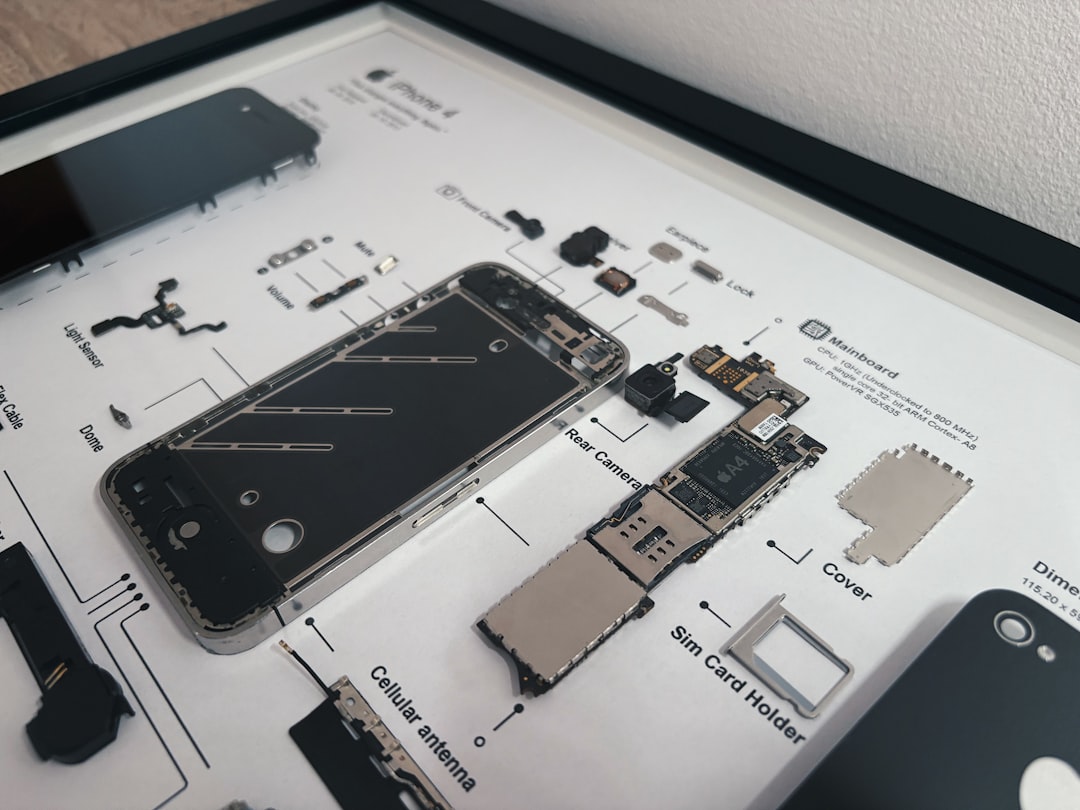
The iPhone 17e debuts with modular, upgradeable parts in a surprising pivot by Apple, changing the way its devices might be used and repaired.
In a surprising deviation from traditional practices, Apple has introduced the iPhone 17e, a device with modular and upgradeable components. Historically known for locking customers into closed hardware ecosystems, Apple’s decision to make parts interchangeable with the iPhone 16e marks a bold, unexpected shift. While it’s unclear whether this is a test of future policies or an isolated experiment, the iPhone 17e is already turning heads in the tech community.
Modular Design: What Sets the iPhone 17e Apart
At the core of the iPhone 17e’s novelty is its compatibility with last year’s iPhone 16e. Several critical components—like the motherboard, screen, and battery—can be swapped back and forth between the two models. iFixit confirmed that the motherboard is upgradeable, allowing users to potentially install the new A19 processor from the iPhone 17e into an iPhone 16e, replacing its A18 chip. This effectively upgrades the phone’s processing power without requiring the purchase of an entirely new device. However, Apple hasn’t abandoned its security priorities, as evidenced by the Face ID camera component, which remains tied to its original motherboard for security reasons.
Another standout improvement is the inclusion of MagSafe magnets in the iPhone 17e. iPhone 16e users may retrofit this feature, but software limitations throttle the wireless charging speeds on older models to their original 7-watt capacity, even when equipped with new hardware. Still, the modularity is a welcome surprise in a market that often prioritizes obsolescence over longevity.
Key Improvements Over the iPhone 16e
While the iPhone 17e shares much of its DNA with its predecessor, several upgrades differentiate it:
- Wireless Charging: The iPhone 17e increases wireless charging speeds to 15 watts, doubling the 16e’s output. MagSafe compatibility brings additional convenience, enabling secure magnetic connections for chargers and accessories.
- Ceramic Shield 2 Display: Apple claims the new screen is three times more scratch-resistant than the previous version, an assertion supported by iFixit, which noted faint scratches only at higher levels of abrasion testing. This scratch resistance does, however, come at the cost of being a different part number from the iPhone 16e screen.
- Recycled Materials: Apple has emphasized sustainability with an 85% recycled aluminum frame. While this is less than the 100% recycled aluminum used in its MacBook series, it marks progress toward greener manufacturing for its iPhones.
- Durability: Structure-wise, the iPhone 17e remains robust, featuring the same IP68 water resistance as its predecessor and solid construction, resisting flex under stress tests.
Emergency SOS and Other Features
Like all iPhones since the iPhone 14, the 17e includes an emergency satellite antenna, a lifesaving feature for users in remote areas. It enables communication with emergency services and location sharing even without cellular coverage. What’s notable is that Apple continues to provide this service for free, a decision that contrasts with their premium pricing strategies elsewhere.
The device retains the same 12MP rear camera as the iPhone 16e, verified to have the same part number, making camera repairs and replacements straightforward. Similarly, the 6.1-inch XDR OLED display, featuring 1200 nits of brightness and a 60 Hz refresh rate, is identical except for its tougher Ceramic Shield 2 coating.
Limitations of Modular Design
Though the iPhone 17e’s modularity signals progress, there are caveats. For one, software limitations hinder the full utility of hardware upgrades on older devices. For instance, although the hardware can support faster wireless charging in retrofitted iPhone 16e models, the software restricts it.
Additionally, not all components are interchangeable. The Face ID module remains motherboard-dependent, meaning even users who swap motherboards must retain the original Face ID hardware for security compliance. Finally, the intricate replacement process for parts like the screen, which requires advanced tools and skills, may limit who can take advantage of this design.
A Pragmatic Move or a Shift in Strategy?
Industry observers wonder if Apple’s move toward interchangeable components reflects a broader strategy or a one-off decision driven by internal manufacturing efficiencies. Traditionally, Apple’s devices have been criticized for their lack of upgradability, locking users into yearly purchase cycles. This shift could indicate an acknowledgment of growing consumer demand for modular, repairable devices, akin to Fairphone’s ethos.
Still, skepticism remains. Apple’s motivations may be less consumer-focused and more operationally driven, aimed at simplifying manufacturing and reducing costs. Nonetheless, the result benefits users, providing flexibility uncommon in Apple’s product line.
Why It Matters
The iPhone 17e’s modular design touches on broader industry trends. Global right-to-repair movements, alongside increasing scrutiny of electronic waste, put pressure on companies to make products more sustainable. If Apple’s experiment with modularity proves successful, it could signal a new approach for the company and influence competitors to follow suit. That said, it’s worth watching whether Apple continues this trajectory in future releases or reverts to its more traditional closed systems.
For users, the iPhone 17e opens new possibilities. The ability to upgrade processors or screens, however limited, offers a degree of customization and longevity previously unheard of in Apple’s ecosystem. While the 17e may not be a revolutionary leap forward, its modularity makes it one of the most intriguing updates in recent iPhone history.
Whether you’re an avid tinkerer, a repairability advocate, or just someone considering a modest upgrade, the iPhone 17e represents something rare in the modern smartphone industry: flexibility.
Staff Writer
Sarah reports on laptops, wearables, and the intersection of hardware and software.
Comments
Loading comments…


