Apple’s Leadership Shake-Up: What It Means for the Future of Products
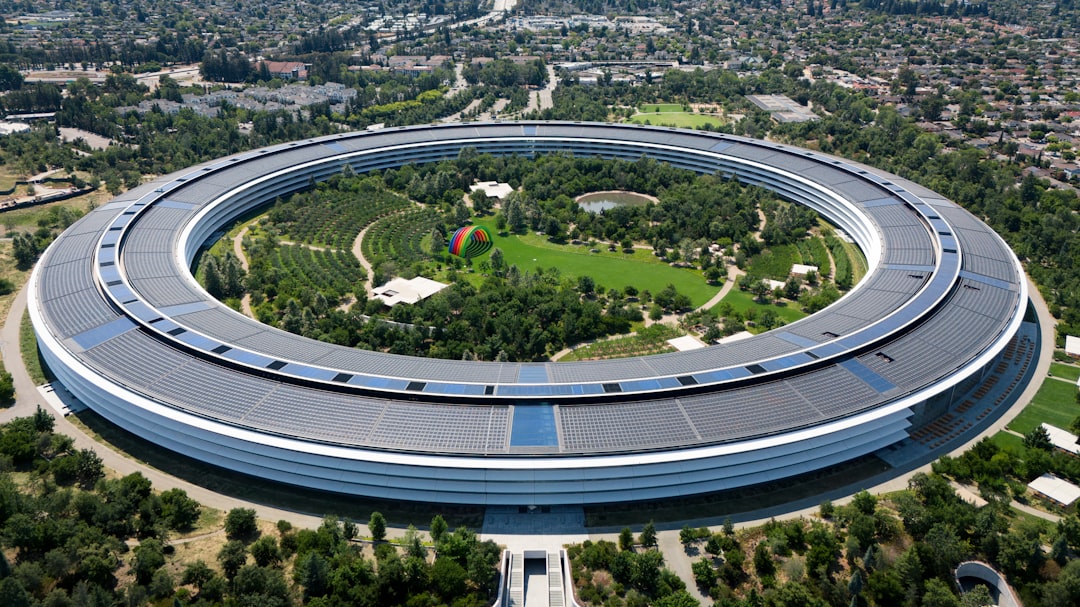
Apple’s CEO transition marks a shift from operational expertise to product-driven leadership. Here's what the change could mean for Apple’s innovation strategy.
Apple, one of the most influential tech companies in the world, is undergoing a significant transformation at its highest level of leadership. Tim Cook, who has been the company’s CEO for more than a decade, is stepping down later this year to take on a new role as chairman of the board. His successor, John Turnis, the current senior vice president of hardware engineering, will begin his tenure as CEO in September. This leadership change may mark a notable shift in Apple’s broader strategy, from a focus on operational efficiency and services to an emphasis on bold hardware innovation.
From Tim Cook to John Turnis: A Deliberate Succession Plan
Tim Cook has had an undeniable impact on Apple’s growth since taking over the reins from Steve Jobs in 2011. His tenure was characterized by a focus on operational efficiency, supply chain optimization, and the expansion of Apple’s services ecosystem. Under Cook’s leadership, Apple reached unprecedented heights, becoming a multi-trillion dollar company. By steering the company through economic challenges and political shifts, he earned the trust of investors, who valued his business acumen.
However, as Cook steps down, it’s clear that Apple is making a deliberate pivot. John Turnis, known as a "product guy," comes from a very different background. After years leading Apple’s hardware engineering team, Turnis is deeply familiar with the company’s product design and development processes. His track record includes overseeing the launch of innovative hardware like the Apple Silicon MacBook Pros and the MacBook Neo, a budget laptop that has disrupted the Windows PC market. This appointment sends a strong signal about Apple’s priorities in the coming years: a renewed focus on hardware and product-first innovation.
A Generational Leadership Shift at Apple
The change in CEO is not an isolated event. Over the past several months, Apple has seen a wave of retirements among its senior leadership, with many long-tenured executives stepping aside to pave the way for a younger generation. Cook, at 65, appears to be the final major figure in this coordinated transition, a sign that Apple’s leadership is aligning its vision for the next chapter.
According to industry observers, this generational shift extends beyond Turnis himself. Johnny Suji, who will take over as the senior vice president of hardware engineering, has been instrumental in Apple’s pivotal transitions, including the development of its proprietary silicon chips. These changes suggest that Apple is preparing to tackle the next decade with leaders who are more closely involved in its technical and product-driven initiatives.
Why the Focus on “Product Guys” Matters
For much of Apple’s history, the company’s direction has been deeply influenced by its CEO’s perspective. Steve Jobs was famously hands-on with products, often obsessing over details and innovations that captured the public’s imagination. Tim Cook, by contrast, focused more on the business side of Apple’s operations. While his tenure saw the company diversify its revenue streams through services like iCloud, Apple TV+, and Apple Music, Cook was less engaged in the "nitty-gritty" of product design.
Enter John Turnis, whose reputation as a product-first executive suggests a return to Apple’s roots. In interviews, Turnis has demonstrated a strong understanding of the technical details behind Apple’s products, from their materials to their engineering challenges. His fingerprints can already be seen on some of Apple’s most successful recent launches. The transition from ultra-thin, problematic MacBook Pro models to the thicker, more capable designs powered by Apple’s Silicon M-series chips happened under his leadership.
What This Means for Apple’s Product Strategy
Under Turnis’s leadership, Apple may become more daring in its hardware designs. Recent examples, such as the MacBook Neo and the rumored folding iPhone, point to an Apple that is willing to take significant risks in order to lead the industry. The Neo, which features a compelling price point in addition to performance that rivals mid-range Windows laptops, is emblematic of the kind of thoughtful innovation Apple could pursue more aggressively.
Other potential innovations could include new product categories, like smart cameras or advanced home devices, though Apple has historically been cautious about introducing experimental products. Apple’s restraint sometimes contrasts sharply with competitors like Google or Samsung, which frequently release a mix of hits and misses to test the market. Apple’s approach under Cook has avoided obvious failures but has sometimes lacked the boldness that characterized the Jobs era. With Turnis now at the helm, this dynamic could shift.
The Challenges Ahead
While the prospect of more innovative hardware is exciting, it’s tempered by challenges that Apple must address. The company has come under fire for issues in its software ecosystem, including criticisms of macOS, Siri, and its broader AI initiatives like Apple Intelligence. For Apple to reclaim its reputation as the gold standard in tech, it needs to deliver not only innovative hardware but also seamless software experiences that justify its premium pricing.
Additionally, Apple faces the challenge of balancing bold product development with its historically risk-averse culture. The tech world is rife with examples of Apple’s "high stakes" launches, such as the ambitious but ill-fated AirPower charging mat, which failed to meet expectations. If Apple remains too cautious, it risks being outpaced by competitors, while too much risk could negatively impact its carefully curated reputation.
The Road Ahead
Apple’s transition from Cook to Turnis marks more than a simple leadership change; it reflects a broader shift in priorities for the company. With product-first executives now leading the charge, Apple might be preparing to take bigger swings at hardware innovation, from folding iPhones to entirely new categories of devices. As the tech landscape becomes more competitive, Apple’s ability to combine ambitious hardware with reliable software will determine whether it can maintain its dominance.
For consumers and industry watchers alike, the Cook-to-Turnis transition promises to be an era worth paying close attention to. With the iPhone unveiling event in September likely serving as Turnis’s debut in the CEO role, the spotlight will be on his ability to balance innovation with Apple’s famously high standards. If successful, this new leadership could usher in a future of products that once again define the industry. If it stumbles, the echoes of Apple’s few notable failures will serve as a reminder of the high stakes involved.
Staff Writer
Sarah reports on laptops, wearables, and the intersection of hardware and software.
Comments
Loading comments…


