Exploring Haptic Rendering: The Intersection of Touch and Computing
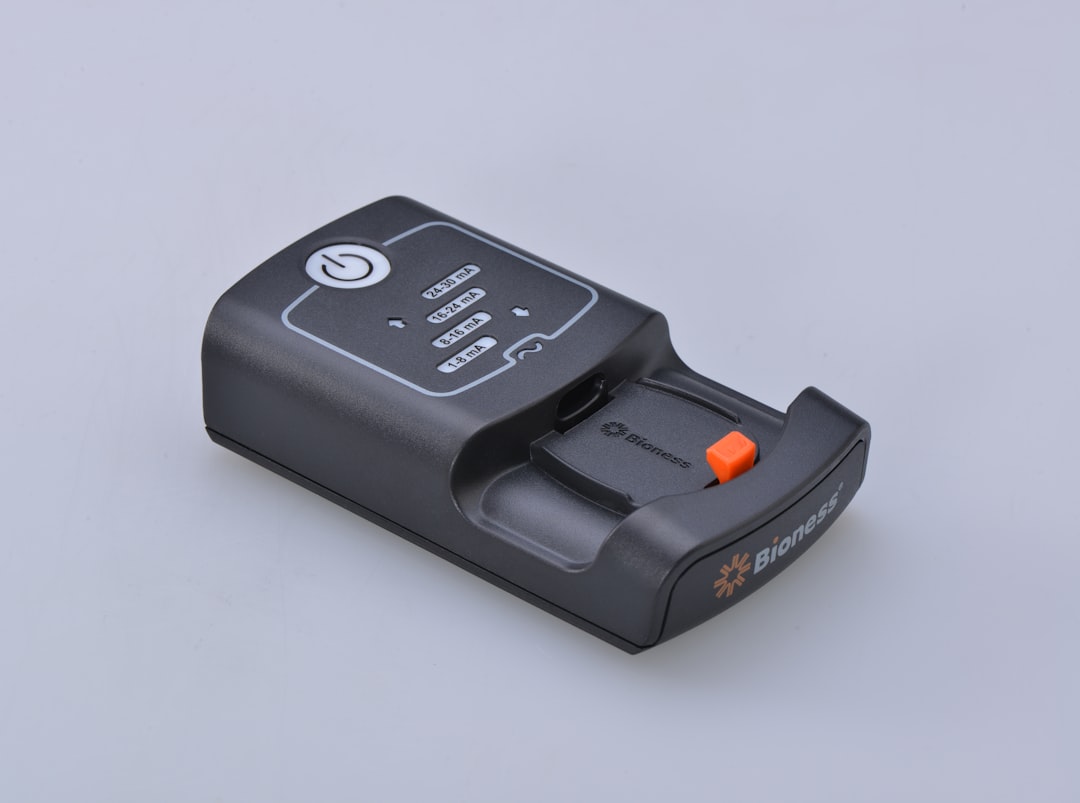
Haptic rendering blends touch feedback with virtual worlds. Learn how this technology enables immersive simulations using force feedback and tactile sensations.
Haptic rendering is one of the hidden technologies shaping how humans and computers interact. While not everyone is familiar with the term, most people have experienced its applications first-hand, whether it’s the faint vibrations of a cellphone notification, the rumble of a game controller, or even the tactile response of pressing an on-screen keyboard. But what exactly is haptic rendering, and how does it work?
Breaking Down Haptics
Haptics refers to the science and technology of touch feedback. It can be categorized into two primary areas:
- Tactile or cutaneous feedback: This involves sensations felt through the skin, like the vibrations of a smartphone or the texture simulation in a touchscreen interface.
- Kinesthetic feedback: This focuses on force and position sensing, which come from muscles and joints. For example, the resistance you feel when shaking someone’s hand or applying pressure to a surface.
Haptic rendering lives within the second category, focusing primarily on creating force-feedback sensations in virtual environments. This technology enables users to not only see virtual objects but also to "feel" them through appropriate devices. It is the driving force behind immersive physical interaction in areas like gaming, virtual simulations, and remote robotics.
Haptic Devices: Bridging the Virtual and Physical
Haptic devices are hardware tools capable of delivering these touch sensations. The most common types include:
- Grounded devices: These stationary tools, such as robotic arms or mechanical controllers, generate force-feedback when users interact with virtual objects.
- Wearable devices: Such as exoskeleton suits or force-feedback gloves, these focus on delivering sensations more directly to the body.
These devices operate using an "impedance model," which measures positions or movements and generates corresponding forces. For instance, users interacting with a virtual simulation might feel resistance when they try to "move" through a virtual wall.
The Core of Haptic Rendering: Simulation and Force Feedback
Haptic rendering can be compared to visual rendering in virtual environments, but with one crucial difference: the aim is to make users "feel" virtual objects rather than just see them. A simulation loop handles this process, typically running two separate systems:
- The visual feedback loop, which operates at a standard rate of around 30–60 Hz.
- The haptic feedback loop, which requires much higher precision, often exceeding 1000 Hz. Every millisecond, calculations are made to ensure the sensations stay stable and realistic.
The process integrates three major components:
- Sensing: Devices collect input data (like the position of a robotic arm or cursor).
- Collision detection: Virtual objects in the simulation are analyzed for interaction points.
- Force computation and response: Appropriate force vectors are calculated and sent back to the haptic device.
This closed loop ensures that as users interact with virtual environments, their physical movements and touch are synchronized with realistic feedback.
The Technical Challenge of Collision Detection and Response
A critical component of haptic rendering is collision detection—determining when and where a user interacts with a virtual object. This can become computationally expensive, especially when working with complex scenes or highly detailed objects. Instead of testing every possible interaction path, efficient algorithms rely on hierarchical bounding boxes (similar to techniques used in video game physics engines). As a user approaches an object, only the relevant sections of the model are checked, minimizing computational loads.
Collision response involves determining how the system reacts. For example, when a user’s "tool tip" (the virtual representation of their interaction point) penetrates a virtual object, forces are computed based on properties like stiffness, elasticity, or friction. These forces simulate the characteristics of materials—for instance, a soft sponge feels different from a rigid metal plate because of their respective force models.
Instabilities: A Limit of Technology
Despite advancements, haptic rendering faces notable challenges, especially with maintaining stability. Rapid or aggressive user movements can throw the system out of sync, leading to exaggerated feedback—objects popping, bouncing, or failing to hold their positions. Similarly, thin or high-detail objects can cause errors where forces are computed incorrectly, resulting in unrealistic sensations.
Modern techniques, like proxy-based rendering, aim to address these issues. These algorithms introduce an intermediate "proxy point" to smooth out calculations. Instead of the tool tip directly interacting with the object, the proxy point handles the collision detection. This allows the haptic device to focus on delivering the appropriate feedback without instability.
Practical Applications and Future Potential
- Gaming and VR: Haptic rendering enhances immersion in video games and virtual reality applications. Gamers can "feel" textures, obstacles, or forces in the virtual world, creating more engaging experiences.
- Medical Training and Education: Surgeons and medical professionals benefit from simulations where they can practice procedures with realistic tactile feedback, improving skills and reducing risks.
- Robotics and Teleoperation: Haptic devices bridge the gap between humans and robots, allowing tactile control in remote environments, like space exploration or disaster zones.
- Design and Manufacturing: Engineers use haptic simulations to test product designs, experiencing interactions with textures or materials before physical prototypes are built.
Unsolved Problems in Haptics
While haptic rendering has matured, some aspects remain challenging. Representing material properties, like friction, heat, or moisture, with high fidelity is still an area of active research. Similarly, optimizing algorithms at higher resolutions and frame rates without increasing hardware costs remains a priority.
Even with these hurdles, the potential applications continue to expand, blending fields like robotics, human-computer interaction, and neuroscience. Haptic rendering isn’t just about making interfaces feel real—it’s about creating deeper connections between humans and the digital world.
As these systems integrate further into our lives, from lightweight wearables to bio-integrated tools, the goal is clear: to make the next frontier of computing as touchable as reality itself.
Staff Writer
Alex covers consumer electronics, smartphones, and emerging hardware. Previously wrote for PCMag and Wired.
Comments
Loading comments…


